10 Best Retro Manufacturing Kick Panels Of 2026
Retro Manufacturing Kick Panels — Reviews, Recommendations & Updated Buying Guide November 2026


Retro Manufacturing Kick Panels KPC236872A
Why We Love It


Retro Manufacturing Kick Panels with Deluxe Speakers
Why We Love It

Retro Manufacturing Kick Panels KPC236872NA
Why We Love It

Retro Manufacturing KP-F39-6466 Blank Replacement Kick Panel
Why We Love It

Retro Manufacturing Kick Panels with Standard Speakers
Why We Love It

Retro Manufacturing KP-C03-1957 Replacement Kick Panel (for
Why We Love It
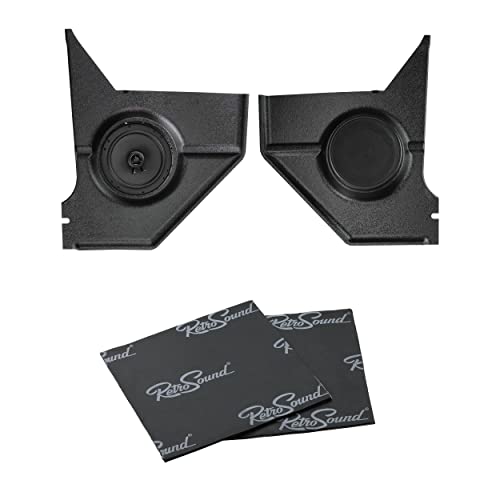
RetroSound Kick Panels for 1967-68 Ford Mustang with KPR2
Why We Love It

Retro Manufacturing KP-F39-6768 Blank Replacement Kick Panel
Why We Love It

Retro Manufacturing Kick Panels with Sound Dampening
Why We Love It

Retro Manufacturing KP-V03-5670 Blank Replacement Kick Panel
Why We Love It
Quick Pick
10 Best Retro Manufacturing Kick Panels Of 2026
Quick Pick
Retro Manufacturing Kick Panels KPC236872A
Retro Manufacturing Kick Panels with Deluxe Speakers KPC236872NA-652
Retro Manufacturing Kick Panels KPC236872NA
Retro Manufacturing KP-F39-6466 Blank Replacement Kick Panel for Ford Mustang Coupe/Fastback
Retro Manufacturing Kick Panels with Standard Speakers KPC031957-62
Retro Manufacturing KP-C03-1957 Replacement Kick Panel (for Chevy)
RetroSound Kick Panels for 1967-68 Ford Mustang with KPR2 Rings & Sound Dampening
Retro Manufacturing KP-F39-6768 Blank Replacement Kick Panel for Ford Mustang
Retro Manufacturing Kick Panels with Sound Dampening KPF396466C-M
Retro Manufacturing KP-V03-5670 Blank Replacement Kick Panel for Volkswagen Beetle Convertible
Buying Guide: Retro Manufacturing Kick Panels
📋 Table of Contents
1What thickness should I look for in a kick panel?
Opt for 0.5–1.2mm thickness for a balance of durability and flexibility. Thinner panels are easier to install but may dent, while thicker ones offer better protection but can be harder to cut and fit around curves.
2Are plastic or metal kick panels better for high-traffic areas?
Plastic kick panels are more impact-resistant and ideal for high-traffic zones like hallways or kitchens, while metal panels offer a sleeker look but can dent or scratch more easily under heavy use.
3How do I choose the right size for my space?
Measure the height and width of the wall area you want to cover, typically from floor to 10–15cm below the base of the lower cabinet or appliance. Panels that extend 10–20cm beyond the edges can hide uneven cuts or gaps in installation.
4What finish or texture is most practical for long-term use?
Textured or matte finishes resist fingerprints and scratches better than glossy ones, making them ideal for long-term use. A stone or woodgrain pattern can also help hide minor imperfections and wear over time.
5What tools or accessories are needed for installation?
Most kick panels require a utility knife, measuring tape, and a level for cutting and fitting. Some kits include adhesive or mounting strips, but a small drill may be needed for securing panels in place if your wall is masonry or concrete.
How we choose
Our editors are people who genuinely love testing and writing about products. We compare each product's real-world usability and strengths, then distill what matters most into our own "Why We Love It" points — so you get an honest, at-a-glance sense of what counts before you buy.