10 Best Resin Keycaps Of 2026
Resin Keycaps — Reviews, Recommendations & Updated Buying Guide November 2026


Artisan Keycaps
Why We Love It


Artisn Keycap Custom Keycaps Black Samurai Japanese Dojo
Why We Love It
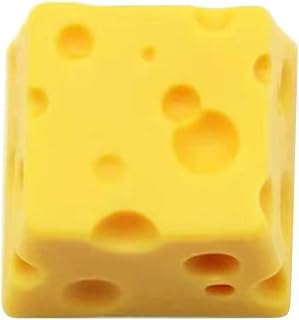
Cheese Keycaps, Resin Artisan Keycaps for Cherry MX Switches
Why We Love It

Artisan Keycaps
Why We Love It

Handmade Customized Keycap Resin Personality Transparent
Why We Love It

Artisan Keycap
Why We Love It
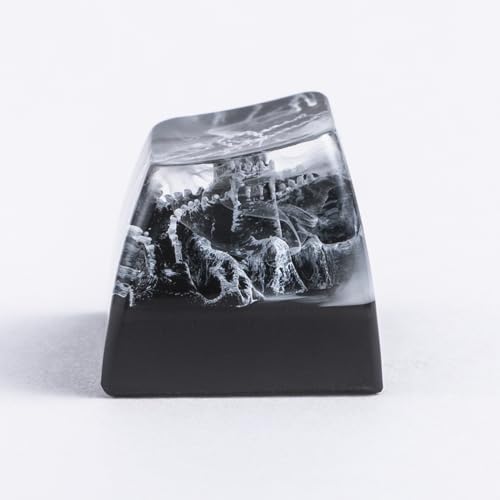
REDQIN Artisan Keycaps The Great Wall Shape SA Profile
Why We Love It

ULTRAEQUIP Artisan Keycap
Why We Love It

Bukela Kawaii Bow Keycap
Why We Love It

Keycaps Epoxy Resin Casting Molds Set for Mechanical Gaming
Why We Love It
Quick Pick
10 Best Resin Keycaps Of 2026
Quick Pick
Artisan Keycaps - Himalayan Mountain Resin keycap Escape Artisan Keycap Custom Keycap Handmade Keycaps for Mechanical Keyboards Key Cap
Artisn Keycap Custom Keycaps Black Samurai Japanese Dojo Handmade Resin Escape Artisan Keycaps for Mechanical Keyboard Keycap Cherry MX Switch
Cheese Keycaps, Resin Artisan Keycaps for Cherry MX Switches, Personality DIY Key Caps for Mechanical Keyboard, Custom Keycaps for Computer, Gaming Keyboard Accessories
Artisan Keycaps - Spring Mood Shine Through Keycaps Resin 2.25U Keycaps Custom Keycaps Shift Enter Handmade Translucent Keycaps for Mechanical Keyboard Keycaps (Spring Mood-2.25U for Shift Enter)
Handmade Customized Keycap Resin Personality Transparent Silver Foil OEM Profile Keycap For Gaming Keyboard MX
Artisan Keycap - Mount Fuji Sakura Custom Esc Resin Handmade Mountain Keycap for Cherry MX Switch Keyboards
REDQIN Artisan Keycaps The Great Wall Shape SA Profile Handmade Keycap Escape Keycap Resin for Mechanical Keyboard
ULTRAEQUIP Artisan Keycap - Autumn Mood Shine Through Resin Keycaps 2.25U Custom Translucent Handmade Keycaps for Mechanical Keyboard (Shift Enter SA)
Bukela Kawaii Bow Keycap, Cute Pink Artisan Resin Keycap for Mechanical Gaming Keyboard, OEM R4 Custom 3D Compatible with Cherry MX Switches
Keycaps Epoxy Resin Casting Molds Set for Mechanical Gaming Keyboard Polymer Clay Crafts 7 Silicone Trays with Key Puller
Buying Guide: Resin Keycaps
📋 Table of Contents
1What types of resin are commonly used for keycaps and how do they differ?
Polyurethane (PU) and epoxy resins are most common. PU is flexible and durable, ideal for mechanical switches, while epoxy is harder and more glossy, often used for double-shot or colored keycaps. Epoxy can be more prone to cracking under heavy use, so consider your typing style and keyboard type.
2How thick should resin keycaps be for optimal feel and durability?
Resin keycaps typically range from 1.5mm to 2.5mm in height, with 2.0mm being a popular standard. Thicker keycaps can feel more substantial and are better for heavy typists, while thinner ones may offer a lighter, more responsive feel. Ensure the height matches your keyboard’s switch profile for proper alignment.
3What should I look for in a resin keycap’s profile and shape?
Keycaps should have a consistent profile, such as OEM, DSA, or SA, to match your keyboard’s layout. A well-defined, symmetrical shape with smooth edges ensures comfort and prevents finger fatigue. Avoid keycaps with uneven or sloped sides, which can cause misalignment or discomfort over time.
4Are double-shot or dye-sublimated resin keycaps better for long-term use?
Double-shot keycaps have legends molded into the resin, making them more durable and resistant to wear. Dye-sublimated keycaps are cheaper but may fade or wear off with heavy use. For a long-lasting, professional look, double-shot resin keycaps are the better investment, especially for gaming or heavy typing.
5What are common mistakes to avoid when buying resin keycaps?
Avoid keycaps that are too glossy or slippery, as they can be uncomfortable during extended use. Also, ensure the keycaps are compatible with your keyboard’s switch type and layout. Buying a set without checking for proper spacing or alignment can lead to a poor typing experience and potential damage to your keyboard.
How we choose
Our editors are people who genuinely love testing and writing about products. We compare each product's real-world usability and strengths, then distill what matters most into our own "Why We Love It" points — so you get an honest, at-a-glance sense of what counts before you buy.