10 Best Pruning Saws Of 2026
Pruning Saws — Reviews, Recommendations & Updated Buying Guide November 2026


WORKPRO 180 mm 7" Folding Pruning Saw with Bi-Metal Blade
Why We Love It

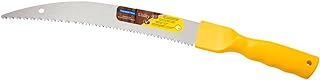
Tramontina Utility Basic 12-inch Pruning Saw
Why We Love It

Samurai Ichiban 13" (330mm) Curved Pruning Saw w/Scabbard
Why We Love It

Tramontina 12.5-inch/320mm Fixed Metal Pruning Saw with
Why We Love It

Mossy Oak 3 in 1 Folding Saw
Why We Love It
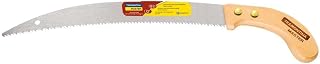
Tramontina 12-inch Pruning Saw with 5 Teeth Per Inch
Why We Love It

Makita DUC101Z 18V Lithium-Ion Cordless Pruning Saw
Why We Love It

INGCO 300mm Pruning Saw Cutter
Why We Love It

REXBETI Folding Hand Saw
Why We Love It

High-Altitude Tree Pruning Saws & Shears
Why We Love It
Quick Pick
10 Best Pruning Saws Of 2026
Quick Pick
WORKPRO 180 mm 7" Folding Pruning Saw with Bi-Metal Blade | Secure Lock Design, Triple Ground Teeth, Soft Grip Handle, Camping & Garden Use
Tramontina Utility Basic 12-inch Pruning Saw
Samurai Ichiban 13" (330mm) Curved Pruning Saw w/Scabbard
Tramontina 12.5-inch/320mm Fixed Metal Pruning Saw with Rubberized Handle
Mossy Oak 3 in 1 Folding Saw, Pruning Hand Saw with Wood, Metal and PVC Blade, Camping Saw for Backpacking, Hunting and Bushcraft, Pouch Included
Tramontina 12-inch Pruning Saw with 5 Teeth Per Inch
Makita DUC101Z 18V Lithium-Ion Cordless Pruning Saw 100mm(4"), Brushless Motor, without Battery and Charger
INGCO 300mm Pruning Saw Cutter - HPS3008
REXBETI Folding Hand Saw, Heavy Duty 11 Inch Extra Long Blade for Wood Camping, Dry Wood Pruning with Hard Teeth, Quality SK-5 Steel
High-Altitude Tree Pruning Saws & Shears, Orchard Pruning Machine Heads for Branch Cutting, Fruit Tree Trimming Tools, Branch Cutters Without Poles, Durable Garden Equipment (without poles)
Buying Guide: Pruning Saws
📋 Table of Contents
1What's the difference between a folding pruning saw and a fixed blade saw?
Fixed blade saws are more durable and better for heavy-duty cutting, while folding saws are compact and safer to carry or store. Choose a folding saw if portability matters to you, or a fixed blade if you'll be doing frequent, intense pruning work.
2What blade length should I get for my garden?
For light pruning of thin branches, 6-8 inch blades work well, but 10-13 inch blades give you more reach and cut thicker branches more efficiently. If you're mainly trimming hedges and small limbs, a shorter blade is easier to control; go longer if you're handling branches over 2 inches thick.
3Does the teeth pattern really matter when choosing a pruning saw?
Yes—fine teeth (more teeth per inch) give cleaner cuts on smaller branches, while coarse teeth cut faster through thicker wood but leave rougher edges. Match the tooth pattern to your typical branch thickness: fine teeth for delicate work, coarse for heavy-duty cutting.
4When is it worth spending more on a pruning saw?
Spend more if you prune regularly or handle thick branches—better blade materials stay sharp longer and cut cleaner, reducing strain on your hand and arm. Budget saws work fine for occasional light pruning, but serious gardeners benefit from the durability and comfort of mid-range or premium options.
5What should I check before buying to make sure it's comfortable to use?
Test the grip—it should feel non-slip and not too thick for your hand size, and the overall weight should be manageable for extended use without causing fatigue. Also check that the handle angle feels natural for the cutting position you'll use most, since an awkward grip leads to poor cuts and hand strain.
How we choose
Our editors are people who genuinely love testing and writing about products. We compare each product's real-world usability and strengths, then distill what matters most into our own "Why We Love It" points — so you get an honest, at-a-glance sense of what counts before you buy.