10 Best Propane Gas Regulators Of 2026
Propane Gas Regulators — Reviews, Recommendations & Updated Buying Guide November 2026

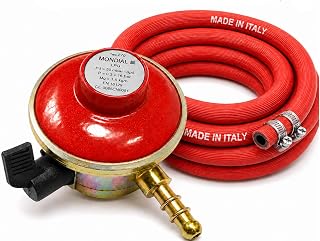
ARTC Premium Italian Gas Hose 6m & Regulator Kit Propane 50
Why We Love It


JD Brands Propane Gas Regulator 37mbar
Why We Love It

Propane Gas Regulator with Manometer
Why We Love It
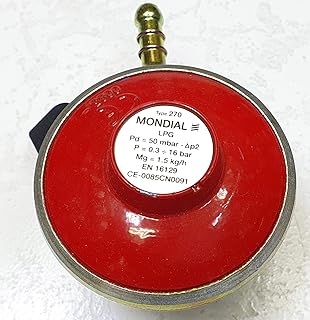
MONDIAL Regulator for Dubai Gas Use
Why We Love It

GasSaf 6 Feet Low Pressure Propane Regulator with Hose
Why We Love It

JD Brands Patio Gas Regulator 27mm Clip On with 2m Hose & 2
Why We Love It

5FT Propane Regulator Hose
Why We Love It

Flame King ACR-2a 2-Stage Auto Changeover LP Propane Gas
Why We Love It

Pressure Regulator 30 mbar for Propane Gas Bottles 5/8/11 kg
Why We Love It

Flame King (KT12ACR-2) 2-Stage Auto Changeover LP Propane
Why We Love It
Quick Pick
10 Best Propane Gas Regulators Of 2026
Quick Pick
ARTC Premium Italian Gas Hose 6m & Regulator Kit Propane 50 mbar Quick-On Regolatore Made in Italy For Dubai use only
JD Brands Propane Gas Regulator 37mbar – POL Screw-On Type (1.5kg/h) | For POL Threaded Calor & Flogas Propane Bottles – BBQs & Outdoor Use
Propane Gas Regulator with Manometer | 37 mbar Low‑Pressure LPG Regulator | POL Handwheel Connection | 1.5 kg/h Flow | 8 mm Hose Tail | Leak‑Test Gauge for BBQs, Patio Heaters & Outdoor Appliances
MONDIAL Regulator for Dubai Gas Use
GasSaf 6 Feet Low Pressure Propane Regulator with Hose | LPG Hose Most LP Gas Grill, Heater and Fire Pit Table, CSA Certified
JD Brands Patio Gas Regulator 27mm Clip On with 2m Hose & 2 Clips – Compatible with Calor & Flogas Propane Tanks for BBQs, Heaters & Outdoor Equipment
5FT Propane Regulator Hose, Low Pressure Gas Line for Blackstone 28"/36" Griddles, Weber, Nexgrill Grills, Patio Heaters & Propane Fire Pits – QCC-1 to 3/8" Female Flare Fitting
Flame King ACR-2a 2-Stage Auto Changeover LP Propane Gas Regulator for RVs, Vans, and Trailers (Without Pigtails)
Pressure Regulator 30 mbar for Propane Gas Bottles 5/8/11 kg
Flame King (KT12ACR-2) 2-Stage Auto Changeover LP Propane Gas Regulator With Two 12 Inch Pigtails For RVs, Vans, Trailers
Buying Guide: Propane Gas Regulators
📋 Table of Contents
1What pressure rating do I need for my propane appliance?
Most residential appliances like grills or patio heaters require a regulator with an output pressure of 11 inches of water column (about 0.4 psi). For larger equipment like furnaces or commercial-grade burners, look for 10 psi or higher. Always match the regulator’s output to your appliance’s specifications to avoid underperformance or safety risks.
2What’s the difference between a fixed and adjustable regulator?
Fixed regulators maintain a preset output pressure and are ideal for standard appliances. Adjustable regulators let you fine-tune the pressure, which is useful for custom setups or when connecting multiple devices with different pressure needs. However, they require more user knowledge to set correctly and may be overkill for simple uses.
3How do I know if a regulator is compatible with my propane tank?
Check the inlet thread type—most U.S. propane tanks use a 3/8-inch right-hand thread (also called a CGA 510 connection). Ensure the regulator has the same inlet and the correct outlet size for your appliance. Some regulators also include a built-in pressure gauge or overpressure shutoff for added safety and convenience.
4Is a high-flow regulator necessary for my setup?
High-flow regulators (100,000–200,000 BTU/hour) are essential for large appliances like commercial grills, infrared burners, or multiple connected units. For standard residential use, a 60,000–80,000 BTU/hour regulator is usually sufficient. Using a low-flow regulator on a high-demand appliance can cause uneven heat or appliance shutdowns.
5What maintenance should I perform on my propane regulator?
Inspect the regulator annually for cracks, corrosion, or gas leaks using a soapy water test. Replace the regulator every 10–15 years or after a tank refill if it shows signs of wear. Never attempt to repair a damaged regulator—safety is critical with gas equipment, and faulty regulators can lead to dangerous gas leaks or fires.
How we choose
Our editors are people who genuinely love testing and writing about products. We compare each product's real-world usability and strengths, then distill what matters most into our own "Why We Love It" points — so you get an honest, at-a-glance sense of what counts before you buy.