10 Best Printed Circuit Boards Of 2026
Printed Circuit Boards — Reviews, Recommendations & Updated Buying Guide November 2026


YUNGUI 15 X 20CM PCB Protoboard
Why We Love It

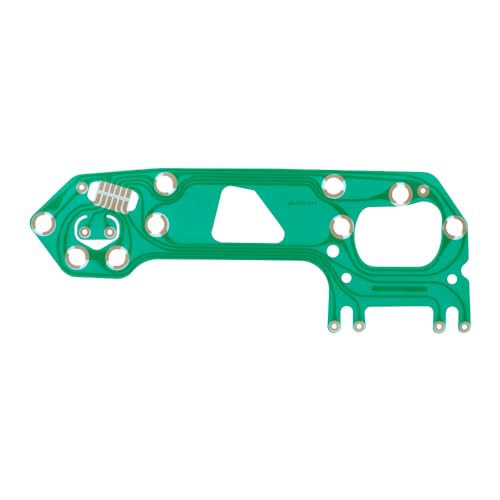
BENET Printed Circuit Board Replacement for Chevy GMC Truck
Why We Love It

YUNGUI 15X20 CM PCB Prototype Board Solderable PerfBoard
Why We Love It
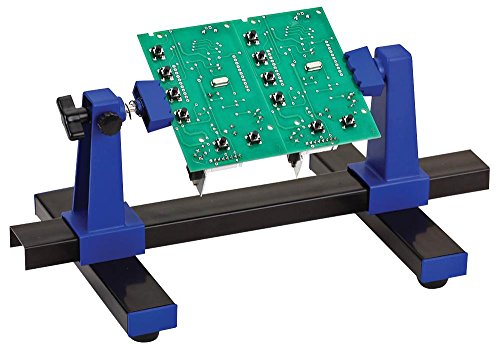
BURNTEC PCB Holder Jig
Why We Love It

Electronics in Easy Steps
Why We Love It

ECVGHD Printed Circuit Board Replacement for BL1850B /
Why We Love It

Double-Sided Universal Circuit Board PCB
Why We Love It

Other-Beauenty PCB Printed Circuit Board Soldering and
Why We Love It
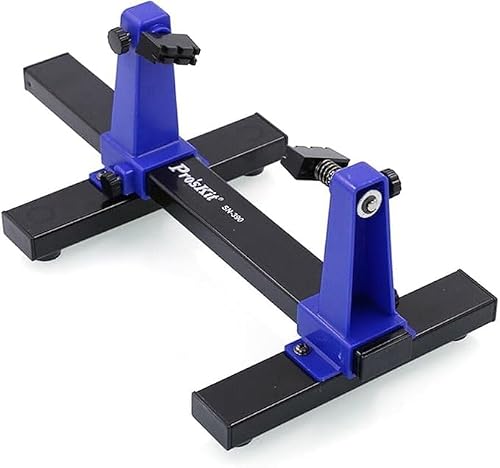
360 Degree Rotation PCB Printed Circuit Board Soldering and
Why We Love It

Cryfokt Heat Dissipating Enclosure Protective Aluminum Box
Why We Love It
Quick Pick
10 Best Printed Circuit Boards Of 2026
Quick Pick
YUNGUI 15 X 20CM PCB Protoboard,2 Pieces DIY Prototype board Soldering and Electronic Printed Circuit Board
BENET Printed Circuit Board Replacement for Chevy GMC Truck 1967-1972 with Gauges and Tachometer
YUNGUI 15X20 CM PCB Prototype Board Solderable PerfBoard,Universal Printed Circuit Board for Arduino and DIY Electronics Project, Gold-Plated, 6"x8",2 Pack
BURNTEC PCB Holder Jig - Securely Holds Printed Circuit Board When Soldering
Electronics in Easy Steps
ECVGHD Printed Circuit Board Replacement for BL1850B / BL1840B Tool
Double-Sided Universal Circuit Board PCB, 4x6 cm, 2.54mm Hole Spacing, Tin Plated, 10 Pack, Prototype Board for Soldering
other-Beauenty PCB Printed Circuit Board Soldering and Assembly Holder Frame SN 390
360 Degree Rotation PCB Printed Circuit Board Soldering and Assembly Holder Frame SN 390
Cryfokt Heat Dissipating Enclosure Protective Aluminum Box Circuit Board Accessories For Preventing Internal Printed Circuit Board From Burning Out
Buying Guide: Printed Circuit Boards
📋 Table of Contents
1What's the difference between single-sided, double-sided, and multi-layer PCBs?
Single-sided boards have components on one side only and work for simple projects, while double-sided boards let you route traces on both sides for more complex circuits. Multi-layer PCBs (4, 6, or more layers) are needed for high-density designs like smartphones and industrial equipment where space is tight. Choose based on your circuit complexity—simpler projects save money with single or double-sided boards.
2How do I know what thickness and material I need for my PCB?
Standard PCB thickness is 1.6mm for most applications, but thinner options (0.8mm) exist for compact devices and thicker versions (2.4mm) for heavy-duty use. The material is usually FR-4 (fiberglass composite), which handles heat and moisture well for most projects—upgrade to better materials only if you need extreme heat resistance or flexibility. Check your application's mechanical and thermal requirements before ordering.
3What copper weight should I choose for my PCB?
Copper weight (measured in ounces per square foot) affects how much current your board can handle—1oz is standard for low-power circuits, while 2oz is better for higher currents and heat management. If your design carries heavy currents or needs better thermal performance, 2oz or higher is worth the extra cost. Most hobby and consumer projects work fine with 1oz copper.
4What's the minimum trace width and spacing I should specify?
Standard trace width is 8mil (0.2mm) with 8mil spacing, which most manufacturers can handle reliably without extra cost. If you need finer details for a dense design, go down to 5mil traces and spacing, but expect higher costs and longer lead times. Stick with 8mil minimum unless your circuit really demands tighter routing.
5When is it worth paying more for faster turnaround or expedited manufacturing?
Standard lead times (10-14 days) are fine for most projects, but if you're prototyping or testing before production, 24-48 hour express services let you iterate quickly. Pay for fast turnaround only if you're debugging a design or have a tight deadline—for production runs, standard lead times are more economical. Rush fees typically double the cost, so plan ahead when possible.
How we choose
Our editors are people who genuinely love testing and writing about products. We compare each product's real-world usability and strengths, then distill what matters most into our own "Why We Love It" points — so you get an honest, at-a-glance sense of what counts before you buy.