10 Best Preamps With Compressor Of 2026
Preamps With Compressor — Reviews, Recommendations & Updated Buying Guide November 2026


Universal Audio Max Preamp and Dual Compressor Pedal
Why We Love It


Universal Audio Volt 176 USB Audio Interface
Why We Love It

Klark Teknik 76-KT Classic FET-Style Compressor with Class-A
Why We Love It

Universal Audio Volt 476 USB-C Audio Interface 4-in/4-out
Why We Love It

SONICAKE Bass Pedal Overdrive Analog Preamp Compression
Why We Love It

Behringer X2442USB XENYX Premium 24-Input 4/2-Bus Mixer
Why We Love It

SONICAKE Bass Multi Effects Pedal Preamp Compressor Boost
Why We Love It
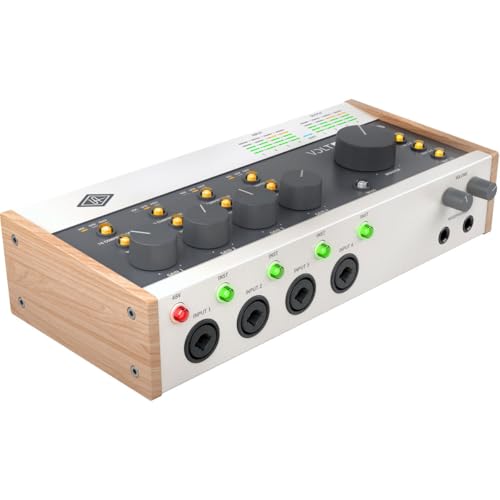
Universal Audio Volt 476P USB Recording Studio
Why We Love It

Behringer XENYX QX2442USB Premium 24-Input 4/2-Bus Mixer
Why We Love It
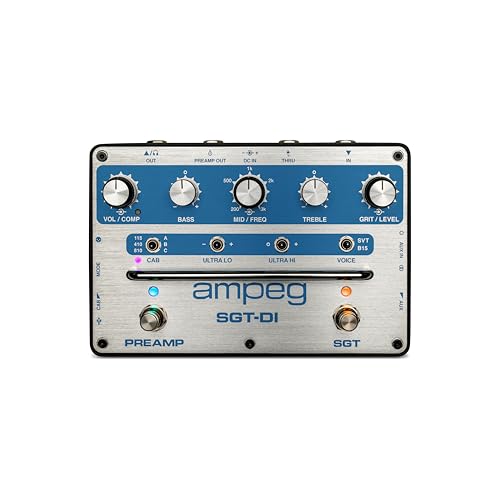
Ampeg SGT-DI Preamp Compressor and DI Blue Line
Why We Love It
Quick Pick
10 Best Preamps With Compressor Of 2026
Quick Pick
Universal Audio Max Preamp and Dual Compressor Pedal
Universal Audio Volt 176 USB Audio Interface
Klark Teknik 76-KT Classic FET-Style Compressor with Class-A Line Level Amplifier and Midas Transformers
Universal Audio Volt 476 USB-C Audio Interface 4-in/4-out USB-C Audio Interface with 2 Preamps with Vintage Preamp Mode, Built-in 1176-style FET Compressor, and Software Bundle - Mac/PC/iOS
SONICAKE Bass Pedal Overdrive Analog Preamp Compression Effects Pedal and 3-Band EQ via Pre/Post Selection with XLR Output B Factory
Behringer X2442USB XENYX Premium 24-Input 4/2-Bus Mixer, Black
SONICAKE Bass Multi Effects Pedal Preamp Compressor Boost Fuzz Octave Pedal Boom Ave with FX Loop
Universal Audio Volt 476P USB Recording Studio - 4-in/4-out USB-C Audio Interface w/ 4 Preamps with Vintage Mode, 24-bit/192kHz, Built-in 1176-style FET Compressor, MIDI I/O, and Software- Mac/PC/iOS
Behringer XENYX QX2442USB Premium 24-Input 4/2-Bus Mixer With Xenyx Mic Preamps And Compressors, Klark Teknik Multi-Fx Processor, Wireless Option And Usb/Audio Interface
Ampeg SGT-DI Preamp Compressor and DI Blue Line
Buying Guide: Preamps With Compressor
📋 Table of Contents
1What gain range should I look for in a preamp with compressor?
A gain range of 30-60dB is standard for most preamps with built-in compressors, allowing you to boost quiet signals like acoustic guitars or vocals. Higher gain can help drive the compressor harder for more color, but avoid models with less than 30dB if you work with low-output mics or instruments.
2Does the type of compressor (VCA, FET, optical) really affect the sound?
Yes — VCA compressors offer precise control and are great for mixing, FETs add punch and are ideal for drums or vocals, while optical compressors deliver smooth, musical compression. Choose based on the tone you want: FET for aggressive, VCA for transparency, optical for warmth.
3What’s the benefit of having a variable attack and release time?
Adjustable attack and release let you tailor the compressor to your source. A fast attack tames transients, while a slow attack preserves dynamics. Similarly, a fast release adds energy, while a slow release gives a smoother, more natural feel. Fixed settings limit your creative control.
4Is a phantom power switch essential for my needs?
Yes, if you use condenser microphones — look for a switchable 48V phantom power option. Dynamic mics don’t need it, but if you plan to use a condenser mic for vocals or room mics, phantom power is a must-have feature to avoid compatibility issues.
5Are XLR and 1/4” inputs both necessary in a preamp with compressor?
XLR is standard for microphones, while 1/4” is for instruments like guitars or DI boxes. If you plan to use both mics and instruments, a dual-input model gives more flexibility. If you only use one type, a single input may be sufficient and more cost-effective.
How we choose
Our editors are people who genuinely love testing and writing about products. We compare each product's real-world usability and strengths, then distill what matters most into our own "Why We Love It" points — so you get an honest, at-a-glance sense of what counts before you buy.