10 Best Portable Pipe Locators Of 2026
Portable Pipe Locators — Reviews, Recommendations & Updated Buying Guide November 2026


Portable Metal And Wall Detector Suitable For Detecting Pipe
Why We Love It


5 in 1 Function Wall Scanner
Why We Love It

Zerodis Pipe Locator Receiver Compatible with 512Hz
Why We Love It

Luocute 512Hz Transmitter
Why We Love It
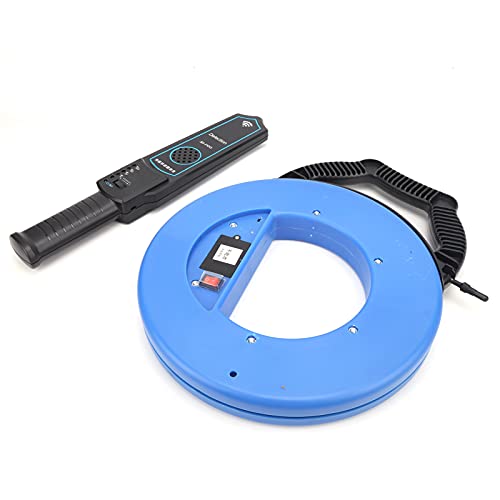
Annadue Line Blockage Detector with Receiver
Why We Love It
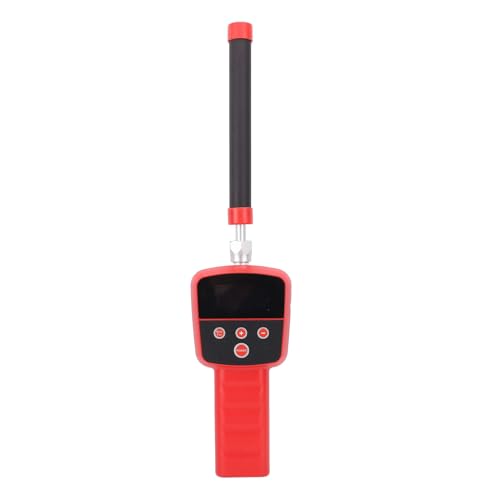
Acouto 512Hz Underground Pipe Locator Portable LED Display
Why We Love It

DAN&DRE 512Hz Underground Pipe Locator Water Portable LED
Why We Love It
GLOGLOW Underground Pipeline Locator
Why We Love It

512Hz Pipe Locators Receivers
Why We Love It
Yctze 512Hz Underground Pipe Locator
Why We Love It
Quick Pick
10 Best Portable Pipe Locators Of 2026
Quick Pick
Portable Metal And Wall Detector Suitable For Detecting Pipe & Wire Precise Safe Drilling With High Sensitivity Sensors Pipe Locators
5 in 1 Function Wall Scanner, Multifunctional Handheld Metal & Wall Detector, Portable Wire Pipe Power Scanner with LCD Display, Suitable for Detecting Metal, Cables, Wood
Zerodis Pipe Locator Receiver Compatible with 512Hz Transmitter
Luocute 512Hz Transmitter, Remote Sonde Portable Pipe Locator for Pipeline Sewer Inspection, with Connector Steel Lightweight ABS Material
Annadue Line Blockage Detector with Receiver, Portable Pipe Clogging
Acouto 512Hz Underground Pipe Locator Portable LED Display Pipe Inspection Locator for Pipeline Blocking Clogging Built Coil Detector One Pipeline Sensing Equipped with From
DAN&DRE 512Hz Underground Pipe Locator Water Portable LED Display Pipe Inspection Locator for Pipeline Blocking Clogging
GLOGLOW Underground Pipeline Locator, Portable LED Display Pipe Inspection Tool, 512Hz Frequency for Construction and Research
512Hz Pipe Locators Receivers, Underground Pipe Sewer Inspection Drain Locator with LED Screen Portable for Construction Plumbing, Pipe Inspection Locator for Pipeline Blocking
Yctze 512Hz Underground Pipe Locator - Portable LED Display for Accurate Pipeline Inspection and Clogging Detection
Buying Guide: Portable Pipe Locators
📋 Table of Contents
1What detection depth should I look for in a portable pipe locator?
For most residential or light commercial use, a detection depth of 12-24 inches is standard. If you're working with buried pipes under concrete or in dense soil, look for models with at least 36 inches of depth capability. Deeper detection often requires more powerful transmitters and may sacrifice accuracy in tight spaces.
2What's the difference between AC and DC signal types in portable pipe locators?
AC signal locators are better for locating live electrical lines and can detect signals up to several hundred feet, while DC locators are more precise for tracing metal pipes and are less affected by interference. Choose AC for utility lines and DC for plumbing or gas lines, depending on your project needs.
3How important is battery life for a portable pipe locator?
Battery life is crucial for fieldwork — look for at least 8-12 hours of continuous use on a single charge. Models with rechargeable lithium-ion batteries and quick-charge capabilities are ideal for professionals who work long hours. Avoid models with disposable batteries for cost and convenience.
4Should I choose a locator with a built-in transmitter or a separate unit?
A built-in transmitter offers convenience and portability, while a separate transmitter allows for more flexibility and stronger signal output. If you need to locate multiple types of utilities or work in large areas, a separate transmitter paired with a receiver is often more effective and versatile.
5What accessories are essential for a portable pipe locator?
A sturdy carrying case, extra batteries or a charging cable, and a set of probe tips for different pipe materials are essential. Some models also include a signal amplifier or a Bluetooth-enabled app for data logging — these can be worth the extra cost if you do frequent or complex utility locating jobs.
How we choose
Our editors are people who genuinely love testing and writing about products. We compare each product's real-world usability and strengths, then distill what matters most into our own "Why We Love It" points — so you get an honest, at-a-glance sense of what counts before you buy.