10 Best Polyphonic Analog Synthesizers Of 2026
Polyphonic Analog Synthesizers — Reviews, Recommendations & Updated Buying Guide November 2026


Behringer PRO-800 Classic Analog 8-Voice Polyphonic
Why We Love It


Behringer Phara-O Mini Polyphonic Analog Synthesizer
Why We Love It
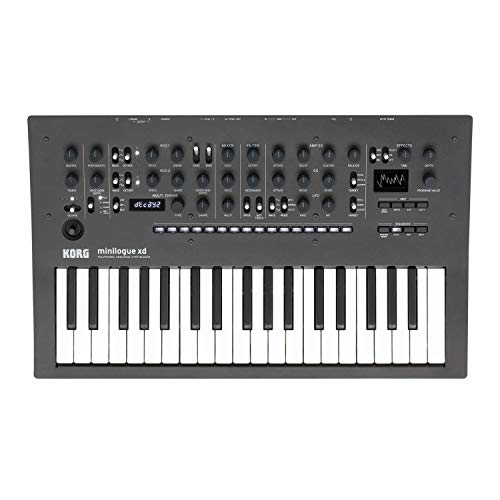
Korg minilogue xd 37-key Polyphonic Analog Synththesizer w/
Why We Love It

Behringer JT Mini Polyphonic 3-voice Analog Synthesizer
Why We Love It

Roland AIRA Compact S-1 Tweak Synth Polyphonic Synthesizer
Why We Love It

Behringer TD-3-AM Analog Bass Line Synthesizer with VCO
Why We Love It

Behringer EDGE Analog Semi-Modular Percussion Synthesizer
Why We Love It

Behringer CAT Legendary Paraphonic Analog Synthesizer with
Why We Love It

Portable 4-Voice Hybrid Synthesizer with 2 Analog Modeling
Why We Love It
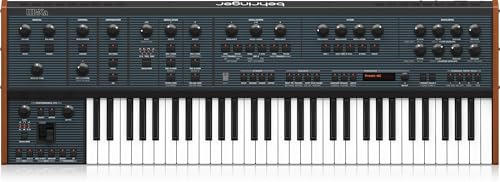
Behringer UB-Xa Classic Analog 16-Voice Multitimbral
Why We Love It
Quick Pick
10 Best Polyphonic Analog Synthesizers Of 2026
Quick Pick
Behringer PRO-800 Classic Analog 8-Voice Polyphonic Synthesizer with 2 VCOs, Classic VCF, Arpeggiator, Sequencer and 400 Program Memories in Eurorack Format
Behringer Phara-O Mini Polyphonic Analog Synthesizer
Korg minilogue xd 37-key Polyphonic Analog Synththesizer w/ 16-step Sequencer, 4 Voices and OLED Oscilloscope (MINILOGUEXD)
Behringer JT Mini Polyphonic 3-voice Analog Synthesizer
Roland AIRA Compact S-1 Tweak Synth Polyphonic Synthesizer
Behringer TD-3-AM Analog Bass Line Synthesizer with VCO, VCF, 16-Step Sequencer, Distortion Effects and 16-Voice Poly Chain, Compatible with PC and Mac
Behringer EDGE Analog Semi-Modular Percussion Synthesizer with 2 Oscillators,
Behringer CAT Legendary Paraphonic Analog Synthesizer with Dual VCOs, 4 Mixable Waveforms, External Signal Processor, 16-Voice Poly Chain and Eurorack Format
Portable 4-Voice Hybrid Synthesizer with 2 Analog Modeling Oscillators Per Voice, Multi-Mode Analog Filter, and Arpeggiator
Behringer UB-Xa Classic Analog 16-Voice Multitimbral Polyphonic Synthesizer
Buying Guide: Polyphonic Analog Synthesizers
📋 Table of Contents
1How many voices do I need for polyphonic performance?
For full chords and layered sounds, aim for at least 8 voices. 16 or more voices allow complex arrangements and multitimbral setups, but 8-12 is sufficient for most live or studio use without overpaying for unused capacity.
2What’s the difference between true analog and semi-analog polyphony?
True analog polyphony uses a separate analog oscillator per voice, offering rich, warm sound. Semi-analog models use digital signal processing for some components, which can save space and cost but may lack the depth of fully analog designs.
3Are modulation options worth prioritizing?
Yes — look for at least 4-6 modulation sources like LFOs, envelopes, and filters. More modulation options let you shape dynamic, expressive sounds, which is essential for evolving pads, leads, and basslines in live or studio settings.
4Should I choose a synth with built-in effects?
Built-in reverb, delay, and chorus save time and money on external gear. At least 2-3 high-quality effects per voice are ideal, but avoid models where effects are the main selling point — analog synths are prized for their raw tone, not post-processing.
5What connectivity options are essential for modern use?
MIDI in/out and USB are must-haves for integration with computers and controllers. CV/Gate support is a bonus for modular users. Avoid models with only legacy DIN MIDI if you plan to use modern gear or DAWs.
How we choose
Our editors are people who genuinely love testing and writing about products. We compare each product's real-world usability and strengths, then distill what matters most into our own "Why We Love It" points — so you get an honest, at-a-glance sense of what counts before you buy.