10 Best Polishing Rubbing Compounds Of 2026
Polishing Rubbing Compounds — Reviews, Recommendations & Updated Buying Guide November 2026

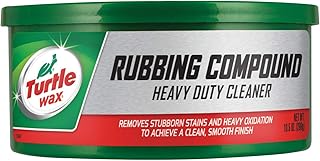
Turtle Wax Rubbing Compound With Heavy Duty Cleaner
Why We Love It


Turtle Wax T-415 Premium Grade Rubbing Compound
Why We Love It

Superior Performance Polishing Compound
Why We Love It

Motomax 2K Rubbing Compound 100g | Removes Minor Scratches
Why We Love It

Waxpol X-Cut Rubbing Compound 100gm
Why We Love It

Glass Polish 50ml GP-PRO Glass Polishing Compound for
Why We Love It

Waxpol X-Cut Rubbing Compound 500gm
Why We Love It

Glass Polish 50ml Glass Polishing Cerium Oxide Compound for
Why We Love It

3M Perfect-it EX Rubbing Compound (1L)
Why We Love It

Waxpol Rubbing Compound Green (500g) For Deep Scratches
Why We Love It
Quick Pick
10 Best Polishing Rubbing Compounds Of 2026
Quick Pick
Turtle Wax Rubbing Compound With Heavy Duty Cleaner, Removes Stubborn Stains And Heavy Oxidation
Turtle Wax T-415 Premium Grade Rubbing Compound - 18 oz.
Superior Performance Polishing Compound, Shine Car Scratch Remover for Vehicles, Restorers Swirls and Scratches, Buffing Compound for Oxidized Finishes, Smooth, Reflect, Clean
Motomax 2K Rubbing Compound 100g | Removes Minor Scratches, Swirl Marks, Paint defect and Oxidization from metal surfaces on Cars, Bike, Motorbikes | Removes dirt, grime, stains to make surface glossy
Waxpol X-Cut Rubbing Compound 100gm, Multi-Colour, X-Cut 100 gm, 100 GRAM
Glass Polish 50ml GP-PRO Glass Polishing Compound for Professional Polishing of All Glass Surfaces - 2.3 microns - GP14053
Waxpol X-Cut Rubbing Compound 500gm, X-Cut 500
Glass Polish 50ml Glass Polishing Cerium Oxide Compound for Professional Optical Polishing of All Glass Surfaces - 1.2 microns - GP14003
3M Perfect-it EX Rubbing Compound (1L)
Waxpol Rubbing Compound Green (500g) For Deep Scratches, Sandpaper Marks, Swirls & Hologram
Buying Guide: Polishing Rubbing Compounds
📋 Table of Contents
1What's the difference between cutting compounds and polishing compounds?
Cutting compounds have larger abrasive particles and are designed to remove scratches and oxidation quickly, while polishing compounds use finer abrasives to create a smooth, glossy finish after cutting. You'll typically use cutting compound first, then follow up with polish for the final shine.
2How do I know which grit level I need for my car's paint condition?
For heavy scratches and oxidation, start with coarser compounds (cutting compounds), while light scratches and swirl marks work better with finer polishing compounds. If you're unsure, test on a small hidden area first to see how aggressive it is on your specific paint.
3Does container size matter, and how much do I actually need?
A standard 500ml to 1L bottle typically handles 3-5 full car polishing sessions, so size depends on how often you detail. Most home users benefit from a smaller container since compounds last a long time—just ensure you seal it properly to prevent drying out.
4What should I check before buying a compound for my vehicle type?
Verify the compound is safe for your paint type—clear coat, single stage, or ceramic coated surfaces may need different formulations. Check if it's compatible with your application method too, whether you're using a machine polisher, orbital buffer, or applying by hand.
5Is it worth spending more on premium brands versus budget options?
Premium compounds often have better abrasive consistency and leave fewer haze marks, saving you time on cleanup, but budget options work fine if you're willing to buff more carefully. For occasional home use, a mid-range option gives you good results without overspending, while professionals benefit from premium quality.
How we choose
Our editors are people who genuinely love testing and writing about products. We compare each product's real-world usability and strengths, then distill what matters most into our own "Why We Love It" points — so you get an honest, at-a-glance sense of what counts before you buy.