10 Best Polarizing Filters Of 2026
Polarizing Filters — Reviews, Recommendations & Updated Buying Guide November 2026


NEEWER HD CPL ND Filter Kit Compatible with DJI Osmo Pocket
Why We Love It


52mm Clip-On CPL Phone Camera Lens Filter Kit
Why We Love It

NEEWER 67mm CPL Filter for Phone
Why We Love It

Celestron 1.25-inch Variable Polarizing Filter
Why We Love It
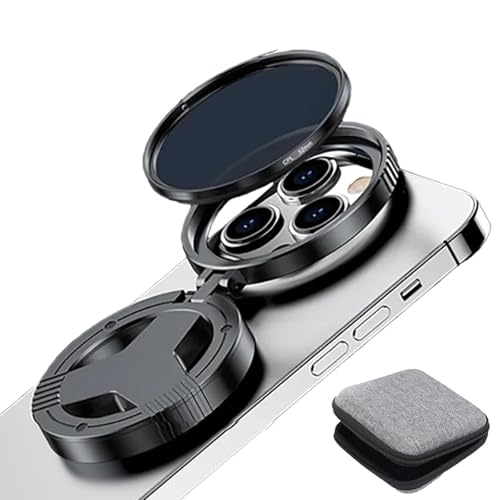
CPL Polarizer Filter, 52mm Magnetic Phone Camera Lens Filter
Why We Love It

NEEWER 67mm Polarising Filter
Why We Love It

ZORBES® Magnetic Polarizing Filter for Phone Camera
Why We Love It

K&F CONCEPT 52mm Polarising Filter CPL Filter Multi-Coated
Why We Love It
K&F CONCEPT 58mm Polarising Filter CPL Filter Multi-Coated
Why We Love It

52mm CPL Polarizer Filter
Why We Love It
Quick Pick
10 Best Polarizing Filters Of 2026
Quick Pick
NEEWER HD CPL ND Filter Kit Compatible with DJI Osmo Pocket 3 4 Xtra Muse | Neutral Density ND16, ND64, ND256, Circular Polarizing Filter Polarizer, Magnetic, Gimbal Action Camera Accessories Kit
52mm Clip-On CPL Phone Camera Lens Filter Kit, Circular Polarizer Polarizing Filter for iPhone and Most Cell Phones, Reduces Glare and Enhances Colors, Includes Cleaning Cloth and Storage Case
NEEWER 67mm CPL Filter for Phone, HD Polarizing Filter & Cold Shoe Phone Clip, with Carrying Pouch & Cleaning Cloth, Compatible with iPhone 16 15 Pro Max Plus 14 13 Samsung Galaxy S24 DSLR Cameras
Celestron 1.25-inch Variable Polarizing Filter, Black
CPL Polarizer Filter, 52mm Magnetic Phone Camera Lens Filter, HD Multi Coated Optical Glass with Retractable Magnetic Mount, Polarizing Filters for Most Cell Phones, Outdoor Photography Accessory
NEEWER 67mm Polarising Filter, CPL Filter, High Definition/30 Nano Layers Dreaming/Reduces Glare/Enhances Contrast/Ultra Thin | 30-layer, multi-resistant nano coating, reduces glare, improved contrast, ultra-thin, HD optical glass
ZORBES® Magnetic Polarizing Filter for Phone Camera, 52mm Dia Folding CPL Lens for Glare Reduction, Enhanced Color & Outdoor Photography
K&F CONCEPT 52mm Polarising Filter CPL Filter Multi-Coated Japan Optics | No Vignetting, Reduce Glare, Sky Water Landscape Photography Camera Lens Filter with Cleaning Cloth Nano-K Series FC301
K&F CONCEPT 58mm Polarising Filter CPL Filter Multi-Coated Japan Optics | No Vignetting, Reduce Glare, Sky Water Landscape Photography Camera Lens Filter with Cleaning Cloth Nano-K Series FC301
52mm CPL Polarizer Filter - HD Multi Coated Optical Glass with Retractable Magnetic Mount, Compatible with iPhone and Most Mobile Devices, Professional Grade for Outdoor Photography
Buying Guide: Polarizing Filters
📋 Table of Contents
1What size polarizing filter do I need for my camera lens?
Check the filter thread size printed on the front of your lens (usually marked as 49mm, 52mm, 58mm, etc.) — this number tells you exactly which filter to buy. If you have multiple lenses with different thread sizes, you can buy a larger filter and use step-up rings to adapt it to smaller lenses.
2What's the difference between circular and linear polarizing filters?
Circular polarizing filters work with modern autofocus cameras and are what you need for DSLRs and mirrorless cameras, while linear filters are older and can interfere with autofocus. Nearly all photography today uses circular polarizers, so that's what you should be looking for.
3Does filter quality really matter, or are cheap polarizers just as good?
Higher-quality filters use better glass coatings that reduce reflections and color shifts, keeping your image sharper and more true-to-color — cheap filters often introduce a slight magenta or blue cast. If you're investing in good lenses, a decent filter is worth it since poor quality glass can negate your lens sharpness.
4When should I use a polarizing filter and when is it not useful?
Polarizers work best for reducing reflections from water, glass, and foliage, plus they deepen blue skies — they're less effective in overcast light or indoor situations. Avoid them when shooting directly into the sun or with ultra-wide lenses, as they can create uneven sky darkening.
5Will a polarizing filter affect my camera's light metering or exposure?
Polarizers reduce light reaching the sensor by about 1.5 to 2 stops, so your camera will automatically compensate by using a slower shutter speed or higher ISO. This is usually fine for daytime shooting, but in low light it can make handheld photography trickier, so be ready to use a tripod or higher ISO.
How we choose
Our editors are people who genuinely love testing and writing about products. We compare each product's real-world usability and strengths, then distill what matters most into our own "Why We Love It" points — so you get an honest, at-a-glance sense of what counts before you buy.