10 Best Plastic Scratch Removers Of 2026
Plastic Scratch Removers — Reviews, Recommendations & Updated Buying Guide November 2026


Polywatch polish scratch remover for plastic watches
Why We Love It

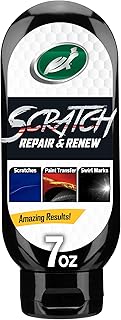
Turtle Wax 50935 Scratch Repair & Renew 7 oz.
Why We Love It

NOVUS 2 Plastic Clean & Shine
Why We Love It

Formula 1 Scratch Out Car Wax Polish Liquid (7 oz)
Why We Love It

PolyWatch Plastic Watch Crystal Scratch Remover Polish Tool
Why We Love It

Glass Polish 14017 Plastic & Acrylic Polishing Compound for
Why We Love It

NOVUS -PK1-2 | Plastic Clean & Shine #1
Why We Love It

HELEMAN Plastic Razor Blade Sc
Why We Love It

Novus 7136 Plastic Polish Kit
Why We Love It

Meguiar'S Scratch X (Car Scratch Remover) 207 Ml
Why We Love It
Quick Pick
10 Best Plastic Scratch Removers Of 2026
Quick Pick
Polywatch polish scratch remover for plastic watches crystals
Turtle Wax 50935 Scratch Repair & Renew 7 oz.
NOVUS 2 Plastic Clean & Shine - 8 oz.
Formula 1 Scratch Out Car Wax Polish Liquid (7 oz) - Car Scratch Remover for All Auto Paint Finishes - Polishing Compound for Moderate Scratches, Bird Droppings, Tree Sap & Swirl Remover
PolyWatch Plastic Watch Crystal Scratch Remover Polish Tool SS013059000-2 Pack
Glass Polish 14017 Plastic & Acrylic Polishing Compound for Professional High-Gloss Micro Finishes - 50ml
NOVUS -PK1-2 | Plastic Clean & Shine #1, Fine Scratch Remover #2, Heavy Scratch Remover #3 and Polish Mates Pack | 2 Ounce Bottles
HELEMAN Plastic Razor Blade Sc, 2 Pack Sc Tool with 100 Pack Plastic Razor Blades Decal Sticker Remover Sc Tool for Auto Window Tint Vinyl Tool Application, Easily Remove (Blue)
Novus 7136 Plastic Polish Kit - 2 oz.
Meguiar'S Scratch X (Car Scratch Remover) 207 Ml, G10307, H6.5 X W2.5 X D1.5 Inches, 2724271981131
Buying Guide: Plastic Scratch Removers
📋 Table of Contents
1What types of plastic scratch removers are most effective for different surfaces?
For smooth surfaces like phone cases or plastic furniture, microfiber cloths with mild abrasive compounds work best. For tougher scratches, chemical-based removers with mild acids or polymers can fill in deeper imperfections, but avoid them on sensitive plastics like polycarbonate to prevent melting or warping.
2How do I know if a scratch remover is safe for my plastic type?
Check the product label for compatibility with your plastic type — common ones include polypropylene, ABS, or acrylic. Avoid using abrasive or chemical removers on polycarbonate or PVC, as they can cause discoloration or structural damage. A small test patch is always a good idea before full application.
3What’s the difference between abrasive and non-abrasive scratch removers?
Abrasive removers use fine grit particles to polish away scratches, ideal for shallow marks on durable plastics. Non-abrasive options use chemical compounds to dissolve or fill in scratches, which are safer for sensitive plastics but may not work as well on deep or rough scratches. Choose based on the scratch depth and plastic type.
4How much product should I buy for regular use?
A 4- to 8-ounce bottle typically lasts 1–2 months with regular use on small items like phone cases or kitchenware. For larger surfaces or frequent use, consider a 16-ounce bottle. Smaller travel-sized versions are good for on-the-go touch-ups but may not be cost-effective for heavy use.
5Are there common mistakes to avoid when using plastic scratch removers?
Don’t apply too much pressure, as it can cause more damage or leave residue. Always follow the manufacturer’s instructions for application time and avoid using the same remover on multiple plastic types. Also, never use them on painted or coated plastics, as they can strip the finish or cause discoloration.
How we choose
Our editors are people who genuinely love testing and writing about products. We compare each product's real-world usability and strengths, then distill what matters most into our own "Why We Love It" points — so you get an honest, at-a-glance sense of what counts before you buy.