10 Best Plant Based Diaper For Newborn Of 2026
Plant Based Diaper For Newborn — Reviews, Recommendations & Updated Buying Guide November 2026


New - Terra Baby Nappies 85% Plant-Based Pull-Up Style
Why We Love It

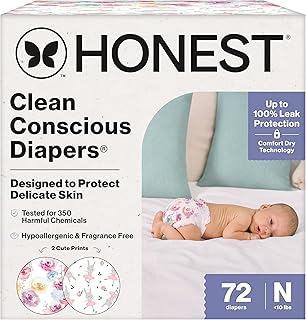
The Honest Company Daytime Diapers
Why We Love It

Naty BioEmbrace Baby Newborn Diapers Size 1 (4–11 lbs)
Why We Love It

Naty BioEmbrace Baby Newborn Diapers Size 2 (6–13 lbs)
Why We Love It

Terra Size 1 Newborn Diapers: 85% Plant-Based Diapers
Why We Love It

The Honest Company Daytime Diapers
Why We Love It
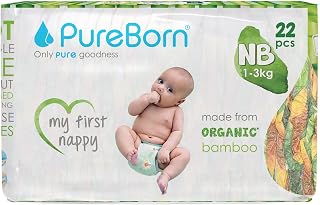
PureBorn Nappies Pure Organic Bamboo Nappies
Why We Love It

DYPER - Newborn Diapers Size 0 (34Count)
Why We Love It

PureBorn Nappies Pure Organic Bamboo Nappies
Why We Love It

PureBorn Nappies Pure Organic Bamboo Nappies
Why We Love It
Quick Pick
10 Best Plant Based Diaper For Newborn Of 2026
Quick Pick
New - Terra Baby Nappies 85% Plant-Based Pull-Up Style Nappies, Ultra-Soft and Chemical-Free for Sensitive Skin, with Superior Absorbency, Perfect as Overnight Nappies for Newborns Size 1 (24 Count)
The Honest Company Daytime Diapers, Rose Blossom, Size Newborn, 72 Count | Baby Diapers, Size Newborn, 72 Ct. Hypoallergenic, Up To 100% Leak Protection, Plant-Based, OEKO-TEX Certified.
Naty BioEmbrace Baby Newborn Diapers Size 1 (4–11 lbs) | 100% Biobased on Skin | Plant-Based Softness | Dermatologically Tested, Super Absorbent | 25 Count
Naty BioEmbrace Baby Newborn Diapers Size 2 (6–13 lbs) | 100% Biobased on Skin | Plant-Based Softness | Dermatologically Tested, Super Absorbent | 33 Count
Terra Size 1 Newborn Diapers: 85% Plant-Based Diapers, Ultra-Soft & Chemical-Free, 3D Leak Guards, 100% Biodegradable Bamboo Fibre, Designed for Newborns up to 11 lb / 5kg, 0-2 Months, 2 Count
The Honest Company Daytime Diapers, All the Alpacas, Size Newborn, 72 Count | Baby Diapers, Size Newborn, 72 Ct. Hypoallergenic, Up To 100% Leak Protection, Plant-Based, OEKO-TEX Certified.
PureBorn Nappies Pure Organic Bamboo Nappies – Nappies Size 0 Hypoallergenic 22-Nappies Ultra Soft (Up To 5Kg) 100% Plant Based Eco Friendly Assorted Print
DYPER - Newborn Diapers Size 0 (34Count) - Plant Based Disposable Diapers for Day and Overnight Premium Leak Protection, Skin-Friendly Comfort with Soft Baby Diapers (Under 10 lbs)
PureBorn Nappies Pure Organic Bamboo Nappies – Nappies Size 1 Hypoallergenic 34-Nappies Ultra Soft (Up To 5Kg) 100% Plant Based Eco Friendly Assorted Print
PureBorn Nappies Pure Organic Bamboo Nappies – Nappies Size 2 Hypoallergenic 64 - Nappies Ultra Soft (3-6 kg) 100% Plant Based Eco Friendly Assorted Print
Buying Guide: Plant Based Diaper For Newborn
📋 Table of Contents
1What materials are safest for a plant-based diaper for newborns?
Look for diapers made from organic cotton, bamboo, or hemp — these are biodegradable, hypoallergenic, and free from synthetic chemicals. Avoid diapers with plastic linings or fragrances, which can irritate a newborn’s sensitive skin and reduce biodegradability.
2How often should I change a plant-based diaper?
Change a plant-based diaper every 2–3 hours or immediately after a bowel movement to prevent rashes. Unlike traditional diapers, plant-based ones may absorb less quickly, so frequent checks are key to maintaining hygiene and comfort.
3Are plant-based diapers as absorbent as traditional ones?
Plant-based diapers are typically absorbent enough for most newborns, but they may not hold as much liquid as synthetic ones. Look for ones with a plant-based absorbent core or layered design to maximize retention and reduce leaks during the night or long stretches.
4What size should I choose for a newborn?
Opt for a size labeled for 0–3 months, which fits most newborns up to about 12 pounds. Plant-based diapers can be bulkier than traditional ones, so ensure the size allows for a snug fit without restricting movement or causing leaks.
5Are plant-based diapers worth the cost compared to traditional ones?
While often more expensive upfront, plant-based diapers can be cost-effective long-term due to their durability and reusability. If you plan to use them for multiple children or prioritize eco-friendly options, the higher price is often justified by their environmental and health benefits.
How we choose
Our editors are people who genuinely love testing and writing about products. We compare each product's real-world usability and strengths, then distill what matters most into our own "Why We Love It" points — so you get an honest, at-a-glance sense of what counts before you buy.