10 Best Piano Sustain Pedals Of 2026
Piano Sustain Pedals — Reviews, Recommendations & Updated Buying Guide November 2026


M-AUDIO SP-2 Universal Sustain Pedal
Why We Love It

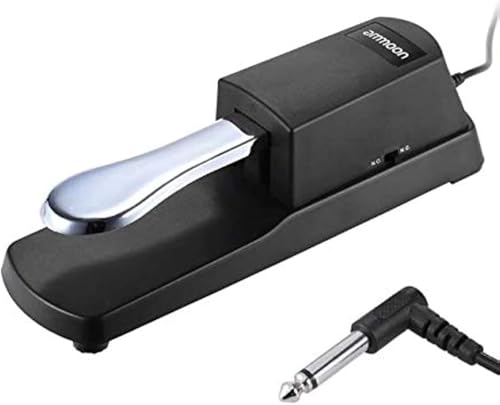
SKEIDO Sustain Pedal for Keyboard
Why We Love It

Donner Sustain Pedal for Keyboard
Why We Love It

Casio SP-3
Why We Love It
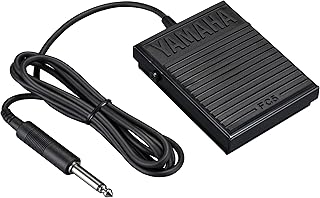
YAMAHA Sustain Pedal, For keyboards and pianos
Why We Love It

Yamaha FC4A Assignable Piano Sustain Foot Pedal
Why We Love It

Azonee Universal Sustain Pedal for Keyboards with Polarity
Why We Love It

Alesis ASP-2 Universal Sustain Pedal
Why We Love It

SKEIDO Piano Sustain Damper Pedal for Roland Electric Piano
Why We Love It

3pcs Piano Sustain Pedal Cover Pleuche Universal Beautiful
Why We Love It
Quick Pick
10 Best Piano Sustain Pedals Of 2026
Quick Pick
M-AUDIO SP-2 Universal Sustain Pedal | Classic Piano-Style Pedal, Universal Compatibility with MIDI Keyboards, Pianos, and Synthesizers
SKEIDO Sustain Pedal for Keyboard, Universal Piano Sustain Pedal with Polarity Switch for All Brands Electronic Keyboards, Digital Pianos, MIDI Keyboards/Controllers, Synthesizer
Donner Sustain Pedal for Keyboard, Piano Sustain Pedal Universal Damper Foot Pedal for MIDI Keyboard Electronic Organ Synthesizer (DSP-001)
Casio SP-3 - Sustain Pedal Compatible with All Casio Keyboards and Digital Pianos with A Pedal Jack
YAMAHA Sustain Pedal | For keyboards and pianos
Yamaha FC4A Assignable Piano Sustain Foot Pedal,MultiColored
Azonee Universal Sustain Pedal for Keyboards with Polarity Switch, Compatible with Yamaha, with Casio, with Roland, with Korg, with Moog and More, Midi Electronic Keyboards Style Piano Foot Pedal
Alesis ASP-2 Universal Sustain Pedal
SKEIDO Piano Sustain Damper Pedal for Roland Electric Piano Keyboard
3pcs Piano Sustain Pedal Cover Pleuche Universal Beautiful
Buying Guide: Piano Sustain Pedals
📋 Table of Contents
1What weight or tension should I look for in a sustain pedal?
A sustain pedal with a tension of 1.5 to 2.5 pounds is ideal for most players, offering a responsive feel without being too light or heavy. Heavier tension (3+ pounds) suits advanced players seeking more control, while lighter tension is better for beginners or those with limited hand strength.
2Should I choose a half-pedal or full-pedal mechanism?
Half-pedal sustain allows for subtle, nuanced control by letting the pedal only partially depress, which is essential for expressive playing in classical or jazz. Full-pedal models are simpler and better for casual or beginner use where fine control isn't as critical.
3What connection type is best for my piano or digital keyboard?
Look for a sustain pedal with a 1/4-inch stereo (TRS) jack for most digital keyboards, or a 3.5mm jack for smaller portable models. For acoustic pianos, a mechanical spring-loaded pedal with a rod or wire attachment is the standard and most reliable option.
4How does pedal material affect performance and durability?
Wooden pedals offer a classic, durable feel and are often used with acoustic pianos, while plastic or ABS pedals are lighter and more affordable. Metal pedals are sturdy and long-lasting but can feel cold or heavy. Choose based on your playing style and the type of piano or keyboard you own.
5Are additional features like a soft pedal or damper function worth it?
Some sustain pedals include a secondary function like a soft pedal or damper control, which can be useful for digital pianos with multiple pedal settings. However, if you only need basic sustain, a single-function pedal is more cost-effective and avoids unnecessary complexity.
How we choose
Our editors are people who genuinely love testing and writing about products. We compare each product's real-world usability and strengths, then distill what matters most into our own "Why We Love It" points — so you get an honest, at-a-glance sense of what counts before you buy.