10 Best Philips 2000 Series Air Fryers Of 2026
Philips 2000 Series Air Fryers — Reviews, Recommendations & Updated Buying Guide November 2026


PHILIPS Air Fryer 2000 Series Single basket 6.2L with
Why We Love It


Philips See-Through Airfryer L
Why We Love It

Philips Airfryer 3000 Series XL
Why We Love It

Philips AirFryer 2000 Series Single draw 4.2L
Why We Love It

PHILIPS Air Fryer 3000 Series Single draw 6.2L
Why We Love It

PHILIPS Air Fryer 3000 Series Premium Large Single basket
Why We Love It
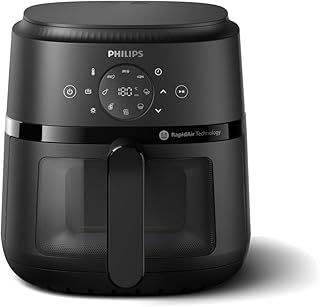
Philips Air Fryer 2000 Series
Why We Love It

Philips Air Fryer 3000 Series Dual Basket
Why We Love It

Philips Air Fryer 5000 Series Dual Basket with Steam
Why We Love It

Philips Airfryer XL - 7.2L With Steam and Rail
Why We Love It
Quick Pick
10 Best Philips 2000 Series Air Fryers Of 2026
Quick Pick
PHILIPS Air Fryer 2000 Series Single basket 6.2L with Viewing Window | 13 Ways to Cook – large 6.2L airfryer, RapidAir technology, 90% less fat, Touchscreen, Easy to clean (NA230/09)
Philips See-Through Airfryer L, 4.2L/0.8KG, 1500W, 13 Functions, 9 Presets | 2000 Series, Touchscreen, Rapid Air Technology, Black, NA220/09
Philips Airfryer 3000 Series XL, 6.2L (1.2Kg), 14-in-1 Airfryer, 90% Less fat with Rapid Air Technology, Digital, Recipe app (HD9270/91)
Philips AirFryer 2000 Series Single draw 4.2L, 13 Programs, Dishwasher Safe | Up to 90% less fat – compact 4.2L air fryer, 13 Cooking Programs, RapidAir technology, Touchscreen control (NA229/09)
PHILIPS Air Fryer 3000 Series Single draw 6.2L, 16-in-1 with Viewing Window | 16 ways to cook, Large 6.2L air fryer, Up to 99% less fat, HomeID recipe app, RapidAir Plus, Easy to clean (NA332/09)
PHILIPS Air Fryer 3000 Series Premium Large Single basket 7.2L with Window | 16 ways to cook, Large 6.2L air fryer, Up to 99% less fat, HomeID recipe app, RapidAir Plus, Easy to clean (NA342/09)
Philips Air Fryer 2000 Series, 4.2L, 13-in-1, Touchscreen | Up to 90% Less Fat – RapidAir Technology, Dishwasher Safe, HomeID App (NA220/00)
Philips Air Fryer 3000 Series Dual Basket, 9L (3L + 6L), Family sized | 2 meals at once – Double basket air fryer, 13 ways to cook, Digital touchscreen, Easy to clean, Energy saving (NA350/00)
Philips Air Fryer 5000 Series Dual Basket with Steam, 9L, 19 Ways to Cook | Steam, Airfry, Steamfry functions - 19 ways to cook, 3L + 6L dual baskets, Auto SteamClean to remove fat residue (NA555/92)
Philips Airfryer XL - 7.2L With Steam and Rail, 2000W, See-Through Cooking Window, 21 Cooking Functions, Touchscreen, Automatic Shut-Off, RapidAir Plus Technology, Gold/Black- NA547/07
Buying Guide: Philips 2000 Series Air Fryers
📋 Table of Contents
1What capacity do I need for my household size?
A 2.6-3.5L air fryer suits 1-2 people or small families, while 4-5L models handle 3-4 people comfortably. Larger capacities take longer to preheat and use more energy, so match size to your typical batch needs.
2Does basket type really affect cooking performance?
Yes — a non-stick, removable basket is easier to clean and allows better air circulation than fixed baskets. Look for a basket with a sturdy handle for safe lifting, especially when cooking hot or greasy foods.
3How important is a digital vs. mechanical control panel?
Digital panels offer precise temperature control (usually 80-200°C) and preset cooking modes, while mechanical dials are simpler and more durable. Digital models are better for recipes requiring accuracy, but may be harder to use in low light.
4What temperature range should I look for?
Most air fryers operate between 80-200°C, which covers everything from reheating to roasting. A wider range gives more flexibility, especially for recipes that need a slow start or high-heat finish for a crispy texture.
5Are preset cooking modes worth it?
Preset modes like 'chips', 'chicken', or 'roast' simplify cooking for beginners and ensure consistent results. However, they’re not essential if you prefer manual control. Look for at least 3-4 presets if you want convenience without learning a full manual.
How we choose
Our editors are people who genuinely love testing and writing about products. We compare each product's real-world usability and strengths, then distill what matters most into our own "Why We Love It" points — so you get an honest, at-a-glance sense of what counts before you buy.