10 Best Petrol Fuel Injection Systems Cleaners Of 2026
Petrol Fuel Injection Systems Cleaners — Reviews, Recommendations & Updated Buying Guide November 2026


MANNOL 9981 Petrol Injector Cleaner 2 x 300ml
Why We Love It


Liqui Moly 5110 Injection Cleaner
Why We Love It
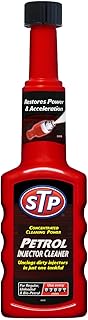
STP Petrol Injector Cleaner 200 ml
Why We Love It

Liqui Moly Add to Fuel Injection Cleaner (300ml)- 2 Pieces
Why We Love It

STP COMPLETE FUEL SYSTEM CLEANER
Why We Love It

STP High Mileage Car Petrol Injector Cleaner 200 ml
Why We Love It

LIQUI MOLY Injection Cleaner
Why We Love It

Redex Petrol System Cleaner 500ml
Why We Love It

Hasanat Essentials Petrol Injector Cleaner Fuel Gasoline
Why We Love It

DOLPHIN Fuel Injection Air-Intake System Cleaner
Why We Love It
Quick Pick
10 Best Petrol Fuel Injection Systems Cleaners Of 2026
Quick Pick
MANNOL 9981 Petrol Injector Cleaner 2 x 300ml, Gasoline Fuel Injection System Cleaner Additive, Fuel Injector & Valve Deposit Remover for Petrol Engines, Helps Smooth Idle & Acceleration
Liqui Moly 5110 Injection Cleaner, 300 ml
STP Petrol Injector Cleaner 200 ml, Mechanical Car Cleaning Products, Concentrated Cleaning Formula, Mechanical Car Cleaning Products, Made in the UK
Liqui Moly Add to Fuel Injection Cleaner (300ml)- 2 Pieces
STP COMPLETE FUEL SYSTEM CLEANER – PETROL 400ml HYBRID COMPATIBLE, S511
STP High Mileage Car Petrol Injector Cleaner 200 ml
LIQUI MOLY Injection Cleaner | 300 ml | Petroladititive | SKU: 1803
Redex Petrol System Cleaner 500ml, Petrol Injector Cleaner To Remove Harmful Deposits, Maximise Performance & Increase Fuel Economy Fuel Additives For Petrol Engines, Suitable For Hybrids
Hasanat Essentials Petrol Injector Cleaner Fuel Gasoline Injection System Cleaner Additive Germany Pack 1
DOLPHIN Fuel Injection Air-Intake System Cleaner - 450 Ml
Buying Guide: Petrol Fuel Injection Systems Cleaners
📋 Table of Contents
1How often should I use a fuel injection system cleaner?
Use it every 3,000–5,000 miles or as recommended by your vehicle’s manual. Overuse can lead to residue buildup, while underuse allows deposits to form, reducing fuel efficiency and engine performance over time.
2What’s the difference between additive-style and direct injection cleaners?
Additive-style cleaners mix with fuel and work over time, ideal for regular maintenance. Direct injection cleaners require a vacuum or pressure system for deep cleaning and are better for older or heavily clogged systems, but they’re more labor-intensive and costly.
3Do I need a specific cleaner for high-performance or turbocharged engines?
Yes — turbocharged and high-performance engines run hotter and are more sensitive to carbon buildup. Look for cleaners labeled for direct injection (GDI) or turbo systems, which use stronger solvents to break down stubborn deposits without damaging sensitive components.
4Can using a fuel injection cleaner improve my car’s fuel economy?
Yes, but only if the system is already clogged. A clean fuel system can restore up to 10–15% of lost fuel efficiency in older or poorly maintained engines. For newer, well-maintained cars, the improvement may be minimal or unnoticeable.
5What should I look for in a high-quality fuel injection cleaner?
Choose products with proven solvents like polyether amine (PEA) or polyisobutylene amine (PIBA), and avoid those with harsh detergents that can damage seals. Look for ISO 8048 or API standards, and check for compatibility with both gasoline and ethanol-blended fuels.
How we choose
Our editors are people who genuinely love testing and writing about products. We compare each product's real-world usability and strengths, then distill what matters most into our own "Why We Love It" points — so you get an honest, at-a-glance sense of what counts before you buy.