10 Best Pencil Condenser Microphones Of 2026
Pencil Condenser Microphones — Reviews, Recommendations & Updated Buying Guide November 2026


AKG Pro Audio P170 Professional
Why We Love It


Rode M5 Compact 1/2" Condenser Microphone
Why We Love It

Monoprice Stage Right Series Small Pencil Condenser
Why We Love It

Pinafresa C02 Pencil Condenser Microphone Small-Diaphragm
Why We Love It
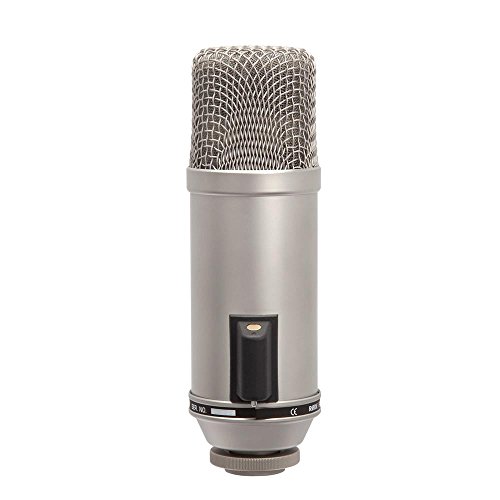
RØDE Broadcaster End-address Condenser Microphone for
Why We Love It

LyxPro SDPC-2 Stereo Pair XLR Pencil Condenser Microphones
Why We Love It

RØDE NT5 Premium ½" Small-diaphragm Condenser Microphone for
Why We Love It

SE ELECTRONICS
Why We Love It

KASTWAVE Compact Omnidirectional Mini Stereo Condenser
Why We Love It

Happymusic CM2 Pencil Stick Condenser
Why We Love It
Quick Pick
10 Best Pencil Condenser Microphones Of 2026
Quick Pick
AKG Pro Audio P170 Professional, All Metal, Switchable Attenuation, Small Diaphragm Condenser Instrumental Microphone Silver Blue
Rode M5 Compact 1/2" Condenser Microphone, Matched Pair
Monoprice Stage Right Series Small Pencil Condenser Microphones (625907), Black
Pinafresa C02 Pencil Condenser Microphone Small-Diaphragm Suspension Recording Mic Instrument with Clip for Piano Type
RØDE Broadcaster End-address Condenser Microphone for Podcasting, Broadcasting, Streaming, Gaming, Music Production, Vocal and Instrument Recording
LyxPro SDPC-2 Stereo Pair XLR Pencil Condenser Microphones, 3 Capsules
RØDE NT5 Premium ½" Small-diaphragm Condenser Microphone for Music Production and Instrument Recording
SE ELECTRONICS - sE7 Small Diaphragm Cardioid Condenser Microphone with Clip
KASTWAVE Compact Omnidirectional Mini Stereo Condenser Microphone with 3.5mm Gold-Plated Jack for PC, Laptop, and Camera - Great for Streaming, Recording, and Podcasting
happymusic CM2 Pencil Stick Condenser Microphone,Interchangeable Omni,Cardioid and Super Cardioid Capsules for Acoustic Woodwind Instruments &Professional Audio Recording Acoustic
Buying Guide: Pencil Condenser Microphones
📋 Table of Contents
1What polar pattern is best for my recording needs?
Cardioid is ideal for vocals and solo instruments, picking up sound from the front. Omnidirectional captures sound from all directions, great for ambient recordings. Bidirectional is useful for interviews or duets, but less common in pencil mics.
2What frequency response range should I look for?
A range of 20Hz to 20kHz is standard, but look for a flatter response (e.g., 40Hz–18kHz) for accurate recordings. Some mics boost highs for vocals or roll off lows to reduce rumble — choose based on your source material.
3How important is sensitivity for a pencil condenser mic?
Higher sensitivity (measured in mV/Pa) means the mic can pick up quieter sounds clearly. Look for 10–30 mV/Pa for most studio use. Too high may cause distortion with loud sources, so match it to your input gain and preamp.
4What accessories are essential for optimal performance?
A shock mount reduces handling noise, a pop filter tames vocal plosives, and a mic stand with a boom arm gives flexibility. A phantom power supply is a must if your interface or mixer doesn’t provide it.
5Is a low self-noise rating really necessary?
Yes — look for under 18 dB for clean recordings. Lower noise (12–15 dB) is better for quiet sources like acoustic guitar or voiceover. Higher self-noise can mask subtle details and require more gain, increasing background hiss.
How we choose
Our editors are people who genuinely love testing and writing about products. We compare each product's real-world usability and strengths, then distill what matters most into our own "Why We Love It" points — so you get an honest, at-a-glance sense of what counts before you buy.