10 Best Passive Volume Pedals For Guitar Of 2026
Passive Volume Pedals For Guitar — Reviews, Recommendations & Updated Buying Guide November 2026


SONICAKE EXP Pedal Vexpress Passive Volume & Expression
Why We Love It

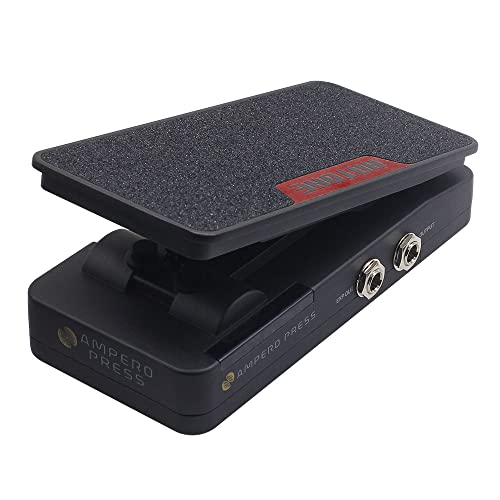
Hotone Volume Expression 2 in 1 Guitar Effects Pedal Passive
Why We Love It
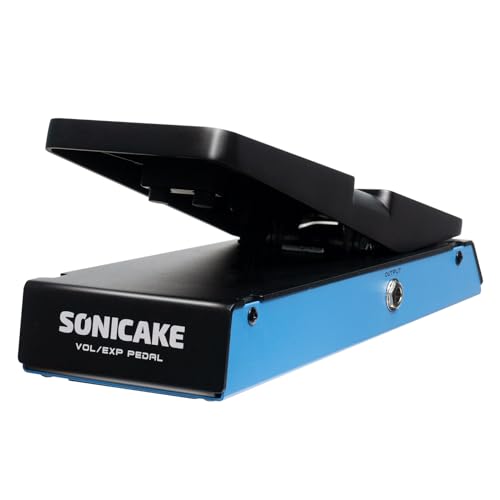
SONICAKE Expression EXP & Passive Volume Combo Pedal 2 in 1
Why We Love It

Ernie Ball VP JR 250K Volume Pedal
Why We Love It

Ernie Ball 40th Anniversary Volume Pedal (P06110)
Why We Love It

HOTONE WAH AKTIV Volume Passive Expression 4-in-1 Guitar
Why We Love It

Hotone Volume & Expression Padel Multifunctional 4-in-1
Why We Love It

Jim Dunlop DVP4 Volume Pedal Mini
Why We Love It

JHS Little Black Amp Box Signal Converter
Why We Love It

HOTONE Expression Pedal with Footswitch
Why We Love It
Quick Pick
10 Best Passive Volume Pedals For Guitar Of 2026
Quick Pick
SONICAKE EXP Pedal Vexpress Passive Volume & Expression Pedal Guitar Effects Pedal
Hotone Volume Expression 2 in 1 Guitar Effects Pedal Passive EXP Ampero Press Guitar Pedal
SONICAKE Expression EXP & Passive Volume Combo Pedal 2 in 1 FlipVol
Ernie Ball VP JR 250K Volume Pedal, For Passive Signals (P06180)
Ernie Ball 40th Anniversary Volume Pedal (P06110)
HOTONE WAH AKTIV Volume Passive Expression 4-in-1 Guitar Effect Pedal Switchable with Visible Guitar Effect Pedal Soul Press II
Hotone Volume & Expression Padel Multifunctional 4-in-1 Switchable Tuner Press with Buffer Switch and Visible Tuner (Ampero Press 2 in 1)
Jim Dunlop DVP4 Volume Pedal Mini, black
JHS Little Black Amp Box Signal Converter
HOTONE Expression Pedal with Footswitch, SP Model, Ampero II Press, Guitar Tools, Wah Effects, Passive Design, Aluminum Alloy Casing, Analog Signal Format
Buying Guide: Passive Volume Pedals For Guitar
📋 Table of Contents
1What is the main difference between passive and active volume pedals?
Passive pedals use a potentiometer to control signal strength without needing power, while active ones require a power source for more precise control. Passive models are simpler, quieter, and ideal for players who want a natural tone with minimal signal loss.
2How does the taper of the potentiometer affect performance?
A linear taper gives even volume changes across the pedal’s range, while a logarithmic (audio) taper mimics the way the human ear perceives volume. For smooth, musical control, especially in live settings, a logarithmic taper is often preferred.
3What cable length or input impedance should I consider?
Shorter cables (3-6ft) reduce signal loss and noise, while longer ones may need shielding. Look for a high input impedance (1MΩ or more) to preserve your guitar’s tone and avoid loading down your pickups, especially with high-output or single-coil models.
4Are true bypass switches necessary for passive volume pedals?
True bypass ensures your signal passes straight through when the pedal is off, avoiding any tone coloration. While not essential for passive volume control, it’s a good feature to maintain signal integrity, especially when using multiple pedals in a chain.
5What are common mistakes to avoid when using a passive volume pedal?
Avoid using it as a distortion or boost pedal — it only attenuates signal, not amplify. Also, don’t place it after a distortion pedal, as it won’t control the distorted signal effectively. Position it early in your effects chain for best results.
How we choose
Our editors are people who genuinely love testing and writing about products. We compare each product's real-world usability and strengths, then distill what matters most into our own "Why We Love It" points — so you get an honest, at-a-glance sense of what counts before you buy.