10 Best Passive Volume Pedals Of 2026
Passive Volume Pedals — Reviews, Recommendations & Updated Buying Guide November 2026


SONICAKE EXP Pedal Vexpress Passive Volume & Expression
Why We Love It

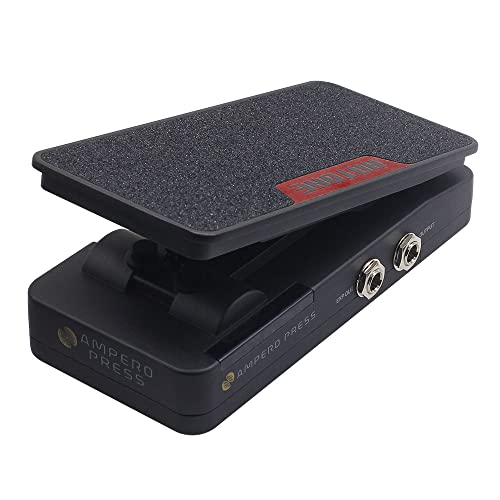
Hotone Volume Expression 2 in 1 Guitar Effects Pedal Passive
Why We Love It
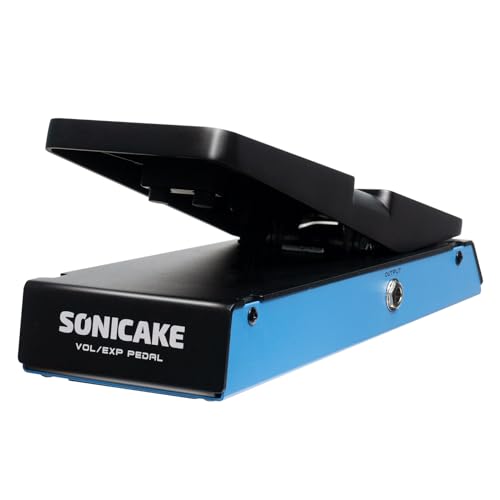
SONICAKE Expression EXP & Passive Volume Combo Pedal 2 in 1
Why We Love It

Ernie Ball 40th Anniversary Volume Pedal (P06110)
Why We Love It

Hotone Volume & Expression Padel Multifunctional 4-in-1
Why We Love It

HOTONE WAH AKTIV Volume Passive Expression 4-in-1 Guitar
Why We Love It

Ernie Ball VP JR 250K Volume Pedal
Why We Love It

Fender Tread-Light Volume/Expression Pedal
Why We Love It

Zoom FP02M expression pedal for guitar and bass effect
Why We Love It

Jim Dunlop DVP4 Volume Pedal Mini
Why We Love It
Quick Pick
10 Best Passive Volume Pedals Of 2026
Quick Pick
SONICAKE EXP Pedal Vexpress Passive Volume & Expression Pedal Guitar Effects Pedal
Hotone Volume Expression 2 in 1 Guitar Effects Pedal Passive EXP Ampero Press Guitar Pedal
SONICAKE Expression EXP & Passive Volume Combo Pedal 2 in 1 FlipVol
Ernie Ball 40th Anniversary Volume Pedal (P06110)
Hotone Volume & Expression Padel Multifunctional 4-in-1 Switchable Tuner Press with Buffer Switch and Visible Tuner (Ampero Press 2 in 1)
HOTONE WAH AKTIV Volume Passive Expression 4-in-1 Guitar Effect Pedal Switchable with Visible Guitar Effect Pedal Soul Press II
Ernie Ball VP JR 250K Volume Pedal, For Passive Signals (P06180)
Fender Tread-Light Volume/Expression Pedal
Zoom FP02M expression pedal for guitar and bass effect pedals, controls volume, wah, pitch bend, modulation, reverb and other effects, metal housing, silver black
Jim Dunlop DVP4 Volume Pedal Mini, black
Buying Guide: Passive Volume Pedals
📋 Table of Contents
1What resistance range should I look for in a passive volume pedal?
Passive volume pedals typically use 250kΩ to 500kΩ potentiometers. 250kΩ is ideal for electric guitars with high-output pickups, while 500kΩ works better for passive basses or vintage-style tones. Choose based on your instrument’s output level and desired tonal response.
2Does the pedal’s taper matter for my playing style?
Yes — linear taper offers a more direct volume change, while logarithmic (audio) taper mimics the natural way we hear volume. Most players prefer logarithmic for smoother, more musical control, especially when using the pedal for dynamic expression or live effects blending.
3Can a passive volume pedal affect my tone negatively?
Low-quality passive pedals can dull high frequencies or introduce noise, especially with long cable runs. Look for gold-plated jacks, high-quality potentiometers, and shielded wiring to preserve your signal integrity and avoid unwanted tone loss or interference.
4What size and build quality should I prioritize?
A compact, lightweight design is best for portability and pedalboard space, but ensure the pedal feels sturdy and the potentiometer is smooth and durable. Avoid flimsy plastic bodies if you plan to use it in live settings or on a crowded board.
5Are any accessories or features worth considering?
A sturdy footswitch or expression pedal compatibility can add versatility, and a built-in LED indicator helps track volume changes in low light. Some models offer a true bypass switch to prevent signal degradation when the pedal is disengaged.
How we choose
Our editors are people who genuinely love testing and writing about products. We compare each product's real-world usability and strengths, then distill what matters most into our own "Why We Love It" points — so you get an honest, at-a-glance sense of what counts before you buy.