10 Best Passive Volume Expression Pedals Of 2026
Passive Volume Expression Pedals — Reviews, Recommendations & Updated Buying Guide November 2026


SONICAKE EXP Pedal Vexpress Passive Volume & Expression
Why We Love It


Hotone Volume & Expression Padel Multifunctional 4-in-1
Why We Love It

Fender Tread-Light Volume/Expression Pedal
Why We Love It
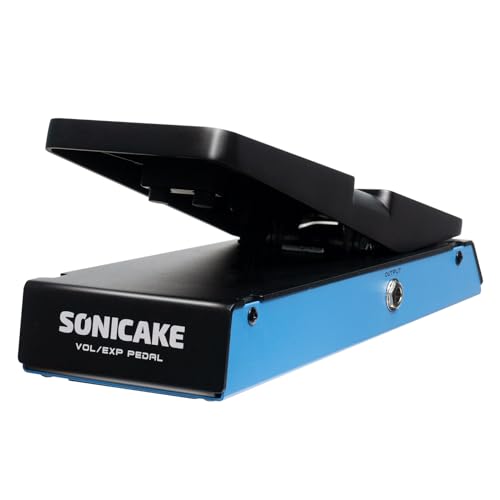
SONICAKE Expression EXP & Passive Volume Combo Pedal 2 in 1
Why We Love It
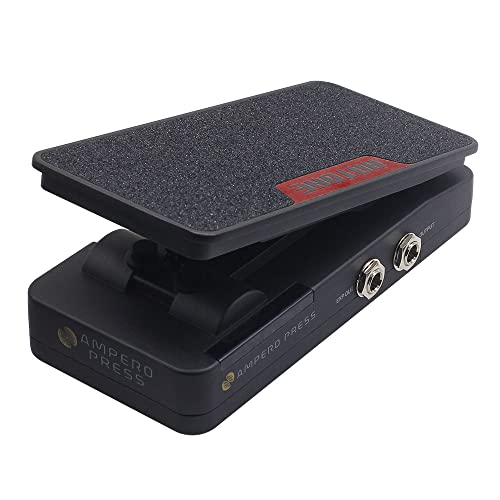
Hotone Volume Expression 2 in 1 Guitar Effects Pedal Passive
Why We Love It

HOTONE WAH AKTIV Volume Passive Expression 4-in-1 Guitar
Why We Love It

HOTONE Expression Pedal with Footswitch
Why We Love It

Zoom FP02M expression pedal for guitar and bass effect
Why We Love It

Jim Dunlop DVP4 Volume Pedal Mini
Why We Love It

Korg XVP-20 Expression Volume Pedal
Why We Love It
Quick Pick
10 Best Passive Volume Expression Pedals Of 2026
Quick Pick
SONICAKE EXP Pedal Vexpress Passive Volume & Expression Pedal Guitar Effects Pedal
Hotone Volume & Expression Padel Multifunctional 4-in-1 Switchable Tuner Press with Buffer Switch and Visible Tuner (Ampero Press 2 in 1)
Fender Tread-Light Volume/Expression Pedal
SONICAKE Expression EXP & Passive Volume Combo Pedal 2 in 1 FlipVol
Hotone Volume Expression 2 in 1 Guitar Effects Pedal Passive EXP Ampero Press Guitar Pedal
HOTONE WAH AKTIV Volume Passive Expression 4-in-1 Guitar Effect Pedal Switchable with Visible Guitar Effect Pedal Soul Press II
HOTONE Expression Pedal with Footswitch, SP Model, Ampero II Press, Guitar Tools, Wah Effects, Passive Design, Aluminum Alloy Casing, Analog Signal Format
Zoom FP02M expression pedal for guitar and bass effect pedals, controls volume, wah, pitch bend, modulation, reverb and other effects, metal housing, silver black
Jim Dunlop DVP4 Volume Pedal Mini, black
Korg XVP-20 Expression Volume Pedal
Buying Guide: Passive Volume Expression Pedals
📋 Table of Contents
1What range of volume control should I look for in a passive expression pedal?
A smooth 0-100% volume range is standard, but some pedals offer a narrower 20-80% range for more precise control. Look for a linear taper potentiometer for consistent volume changes across the pedal's range.
2Does the pedal need a power supply, or can it run passively?
True passive expression pedals require no external power and work with any instrument or pedal that accepts a standard 1/4" control cable. However, some models with added features like LED indicators or buffered outputs may need a 9V power source.
3What cable type and length should I use for best performance?
Use a standard 1/4" mono patch cable with a length of 1-3 meters to avoid signal loss or noise. Avoid using unbalanced stereo cables, as they can interfere with the pedal's passive signal path and cause grounding issues.
4How does a passive pedal compare to an active one for volume control?
Passive pedals are simpler, more reliable, and don't add noise, but they can't boost or shape your signal. Active pedals offer more control and can drive long cable runs, but they require power and may introduce subtle tonal changes or noise if poorly designed.
5What should I check for when testing a passive volume pedal in person?
Test the pedal's smoothness and resistance — it should feel consistent from heel to toe. Listen for any crackling or signal dropouts, and ensure the volume change is linear and predictable. Try it with your usual gear to confirm compatibility and performance in your setup.
How we choose
Our editors are people who genuinely love testing and writing about products. We compare each product's real-world usability and strengths, then distill what matters most into our own "Why We Love It" points — so you get an honest, at-a-glance sense of what counts before you buy.