10 Best Passive Monitor Controllers Of 2026
Passive Monitor Controllers — Reviews, Recommendations & Updated Buying Guide November 2026


Behringer STUDIO M Premium Passive Studio Controller
Why We Love It


Audio Volume Controller
Why We Love It
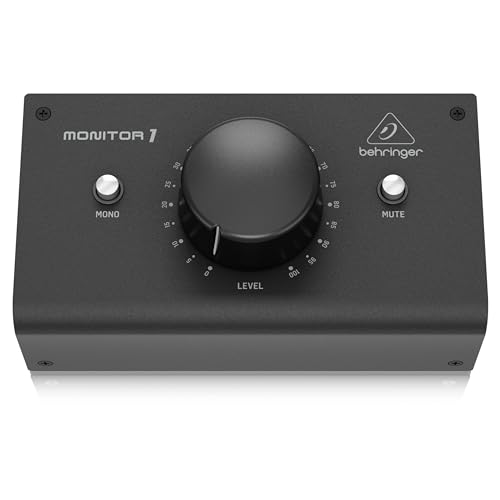
Behringer MONITOR1 Premium Passive Stereo Monitor and Volume
Why We Love It
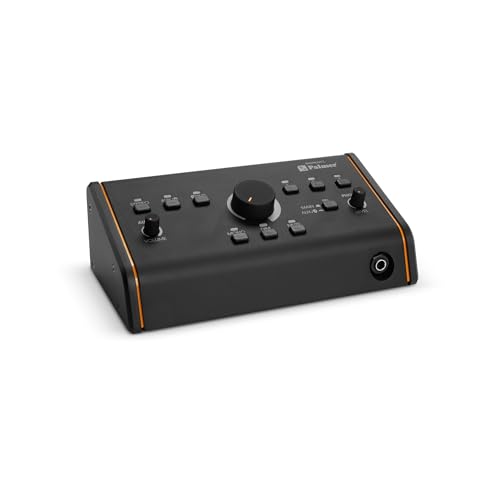
Palmer MONICON L, Active/Passive Studio Monitor Controller
Why We Love It

Mackie Big Knob Series
Why We Love It

Lixada Passive Monitor Controller
Why We Love It

Audient Nero Desktop Monitor Controller
Why We Love It

Palmer MONICON L G Active/Passive Studio Monitor Controller
Why We Love It

Palmer MONICON L Passive Monitor Controller (PMONICONL)
Why We Love It
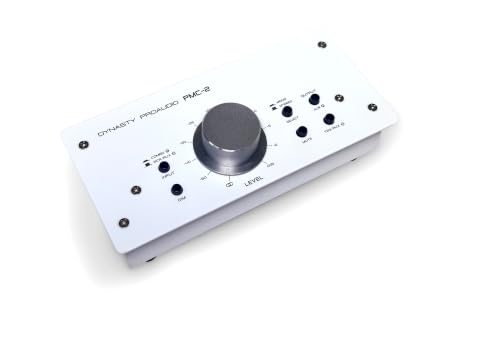
DYNASTY PROAUDIO PMC-2 Premium Passive 2 x 2 Studio Monitor
Why We Love It
Quick Pick
10 Best Passive Monitor Controllers Of 2026
Quick Pick
Behringer STUDIO M Premium Passive Studio Controller
Audio Volume Controller, Passive Stereo Monitor Volume Attenuator with Balanced XLR Input & Output, Hi-Fi Sound Adjuster for Studio Monitors, Home Audio & Live Performance, Rugged Steel Case
Behringer MONITOR1 Premium Passive Stereo Monitor and Volume Controller
Palmer MONICON L - Active/Passive Studio Monitor Controller
Mackie Big Knob Series, 3x2 Studio Monitor Controller 192kHz USB I/O (BIG KNOB STUDIO)
Lixada Passive Monitor Controller,Passive Monitor Controller With Xlr 3.5Mm Inputs Outputs Supports Attenuation Control Mute Function
Audient Nero Desktop Monitor Controller
Palmer MONICON L G Active/Passive Studio Monitor Controller
Palmer MONICON L Passive Monitor Controller (PMONICONL)
DYNASTY PROAUDIO PMC-2 Premium Passive 2 x 2 Studio Monitor Volume Controller
Buying Guide: Passive Monitor Controllers
📋 Table of Contents
1What input impedance should I look for in a passive monitor controller?
Aim for at least 10kΩ to 100kΩ input impedance to ensure compatibility with most studio headphones and avoid signal loss. Higher impedance allows for better volume control and preserves audio clarity, especially with high-impedance headphones.
2How does a passive monitor controller differ from an active one?
Passive controllers use no internal amplification and rely on your audio source’s output level, making them simpler and often more transparent. Active models include preamps and are better for low-output devices like laptops or smartphones.
3Are balanced or unbalanced connections more important for studio use?
Balanced XLR or TRS connections reduce noise over long cable runs and are ideal for professional studio setups. Unbalanced 1/4” or RCA inputs are fine for short distances but may introduce hum in larger environments or with sensitive gear.
4What volume control features are essential for mixing and mastering?
A high-quality potentiometer with smooth, logarithmic taper ensures precise volume adjustments. A dedicated mute switch and level meter help maintain consistent monitoring and prevent ear fatigue during long sessions.
5Can I use a passive monitor controller with both analog and digital audio interfaces?
Yes, as long as your interface provides a line-level output. Passive controllers work with any line-level signal, but avoid connecting them to headphone outputs or mic preamps, which can overload the circuit and damage components.
How we choose
Our editors are people who genuinely love testing and writing about products. We compare each product's real-world usability and strengths, then distill what matters most into our own "Why We Love It" points — so you get an honest, at-a-glance sense of what counts before you buy.