10 Best Passive Guitar Volume Pedals Of 2026
Passive Guitar Volume Pedals — Reviews, Recommendations & Updated Buying Guide November 2026


SONICAKE EXP Pedal Vexpress Passive Volume & Expression
Why We Love It

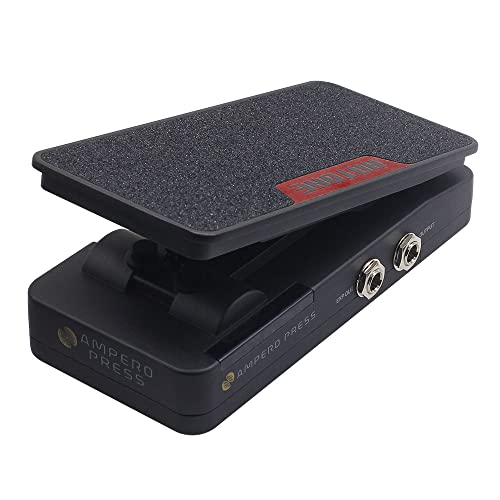
Hotone Volume Expression 2 in 1 Guitar Effects Pedal Passive
Why We Love It
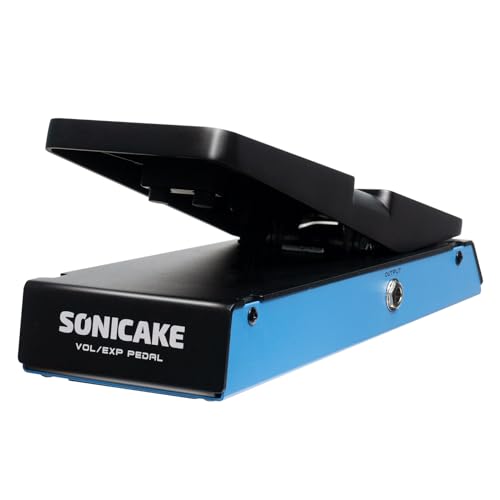
SONICAKE Expression EXP & Passive Volume Combo Pedal 2 in 1
Why We Love It

HOTONE WAH AKTIV Volume Passive Expression 4-in-1 Guitar
Why We Love It

Hotone Volume & Expression Padel Multifunctional 4-in-1
Why We Love It

JHS Little Black Amp Box Signal Converter
Why We Love It

Ernie Ball 40th Anniversary Volume Pedal (P06110)
Why We Love It

HOTONE Expression Pedal with Footswitch
Why We Love It

Ernie Ball VP JR 250K Volume Pedal
Why We Love It
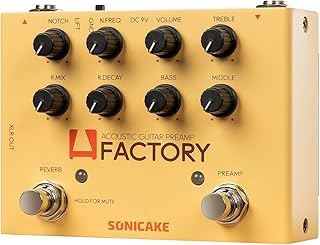
SONICAKE Acoustic Guitar Effects Pedal Preamp Chorus Delay
Why We Love It
Quick Pick
10 Best Passive Guitar Volume Pedals Of 2026
Quick Pick
SONICAKE EXP Pedal Vexpress Passive Volume & Expression Pedal Guitar Effects Pedal
Hotone Volume Expression 2 in 1 Guitar Effects Pedal Passive EXP Ampero Press Guitar Pedal
SONICAKE Expression EXP & Passive Volume Combo Pedal 2 in 1 FlipVol
HOTONE WAH AKTIV Volume Passive Expression 4-in-1 Guitar Effect Pedal Switchable with Visible Guitar Effect Pedal Soul Press II
Hotone Volume & Expression Padel Multifunctional 4-in-1 Switchable Tuner Press with Buffer Switch and Visible Tuner (Ampero Press 2 in 1)
JHS Little Black Amp Box Signal Converter
Ernie Ball 40th Anniversary Volume Pedal (P06110)
HOTONE Expression Pedal with Footswitch, SP Model, Ampero II Press, Guitar Tools, Wah Effects, Passive Design, Aluminum Alloy Casing, Analog Signal Format
Ernie Ball VP JR 250K Volume Pedal, For Passive Signals (P06180)
SONICAKE Acoustic Guitar Effects Pedal Preamp Chorus Delay Reverb Dual Footswitch Acoustic Pedal with XLR Output A Factory
Buying Guide: Passive Guitar Volume Pedals
📋 Table of Contents
1What is the difference between a linear and logarithmic taper in a passive volume pedal?
A linear taper provides an even volume change across the pedal's range, while a logarithmic (audio) taper mimics the way human ears perceive volume, giving more control at lower levels. Most guitarists prefer logarithmic tapers for a natural feel and smoother dynamic response.
2How does the number of contacts affect pedal performance?
Pedals with more contacts (typically 10-15) offer a smoother, more consistent signal as you move the pedal, reducing the chance of signal dropouts or 'bumpy' volume changes. Fewer contacts can lead to uneven response, especially in high-gain or sensitive setups.
3Should I prioritize true bypass or buffered output?
True bypass preserves your guitar's tone by disconnecting the pedal when not in use, ideal for players with short signal chains. Buffered output helps maintain signal strength over long cable runs but may slightly alter tone. Choose based on your setup and tonal preferences.
4What cable length is best for connecting a volume pedal to my amp or effects?
Keep cables under 10 feet (3 meters) to minimize signal loss and noise. Longer cables can cause tone dulling, especially with passive pedals. Use high-quality shielded cables for the cleanest signal transmission.
5Can a passive volume pedal work with active pickups or high-impedance sources?
Passive pedals are designed for passive pickups and may not perform optimally with active pickups or high-impedance sources, which can lead to signal loss or uneven response. Look for a buffered or active volume pedal if using active electronics for consistent performance.
How we choose
Our editors are people who genuinely love testing and writing about products. We compare each product's real-world usability and strengths, then distill what matters most into our own "Why We Love It" points — so you get an honest, at-a-glance sense of what counts before you buy.