10 Best Passive Expression Pedals Of 2026
Passive Expression Pedals — Reviews, Recommendations & Updated Buying Guide November 2026


SONICAKE EXP Pedal Vexpress Passive Volume & Expression
Why We Love It


HOTONE Expression Pedal with Footswitch
Why We Love It
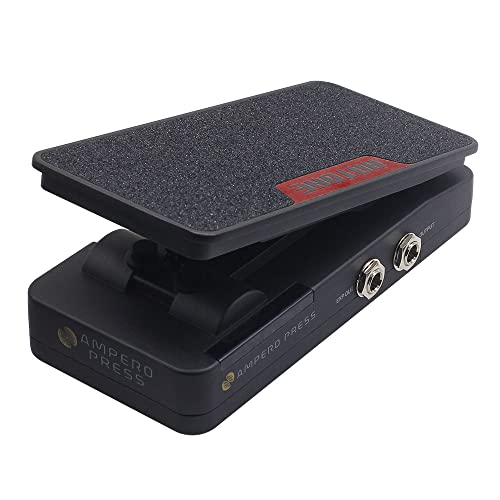
Hotone Volume Expression 2 in 1 Guitar Effects Pedal Passive
Why We Love It
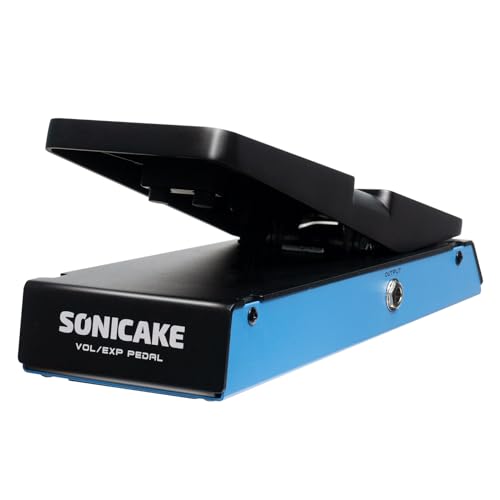
SONICAKE Expression EXP & Passive Volume Combo Pedal 2 in 1
Why We Love It

HOTONE WAH AKTIV Volume Passive Expression 4-in-1 Guitar
Why We Love It

Hotone Volume & Expression Padel Multifunctional 4-in-1
Why We Love It

Fender Tread-Light Volume/Expression Pedal
Why We Love It

Mantra Dual Expression Pedal
Why We Love It

Zoom FP02M expression pedal for guitar and bass effect
Why We Love It

Donner 2 in 1 Viper Mini Passive Volume Expression Guitar
Why We Love It
Quick Pick
10 Best Passive Expression Pedals Of 2026
Quick Pick
SONICAKE EXP Pedal Vexpress Passive Volume & Expression Pedal Guitar Effects Pedal
HOTONE Expression Pedal with Footswitch, SP Model, Ampero II Press, Guitar Tools, Wah Effects, Passive Design, Aluminum Alloy Casing, Analog Signal Format
Hotone Volume Expression 2 in 1 Guitar Effects Pedal Passive EXP Ampero Press Guitar Pedal
SONICAKE Expression EXP & Passive Volume Combo Pedal 2 in 1 FlipVol
HOTONE WAH AKTIV Volume Passive Expression 4-in-1 Guitar Effect Pedal Switchable with Visible Guitar Effect Pedal Soul Press II
Hotone Volume & Expression Padel Multifunctional 4-in-1 Switchable Tuner Press with Buffer Switch and Visible Tuner (Ampero Press 2 in 1)
Fender Tread-Light Volume/Expression Pedal
Mantra Dual Expression Pedal, Klowra x Hotone, Passive EXP with 2 Independent Outputs, Adjustable Polarity, Wide Compatibility for Guitar Pedals, Amps, Multi-Effects, MIDI Controllers
Zoom FP02M expression pedal for guitar and bass effect pedals, controls volume, wah, pitch bend, modulation, reverb and other effects, metal housing, silver black
Donner 2 in 1 Viper Mini Passive Volume Expression Guitar Effect Pedal
Buying Guide: Passive Expression Pedals
📋 Table of Contents
1What resistance range should I look for in a passive expression pedal?
Aim for 10kΩ to 50kΩ for most instruments, as this range works well with standard pickups and effects. Higher resistance (100kΩ or more) can cause signal loss or noise, while lower resistance may limit dynamic control.
2How does a passive pedal differ from an active one?
Passive pedals use no internal power and rely on your instrument’s signal, making them simple and reliable. Active pedals require power and can shape the signal more precisely, but passive models are better for preserving your instrument’s natural tone.
3What cable length affects the pedal’s performance?
Keep patch cables under 3 meters (10 feet) to avoid signal loss and noise. Longer cables can reduce clarity, especially with high-impedance passive setups. Shorter, high-quality cables maintain a cleaner, more responsive signal.
4Can I use a passive expression pedal with any effects unit?
Most modern effects have expression inputs, but check if they support passive control. Some units require a specific voltage range (like 0-5V) or a pull-down resistor. A mismatch can lead to erratic behavior or no response at all.
5What accessories are useful for optimizing a passive expression pedal?
A volume pedal with a built-in expression output or a passive-to-active adapter can help integrate the pedal into your setup. A sturdy pedalboard mount and shielded cables also reduce noise and improve stability.
How we choose
Our editors are people who genuinely love testing and writing about products. We compare each product's real-world usability and strengths, then distill what matters most into our own "Why We Love It" points — so you get an honest, at-a-glance sense of what counts before you buy.