10 Best Passive Crossovers Of 2026
Passive Crossovers — Reviews, Recommendations & Updated Buying Guide November 2026


300 Watts 2 Way Crossover
Why We Love It


Audiopipe 3 Way Crossover CRX-303 300 Watts Passive
Why We Love It

2 PACK 3 way Crossover CRX-303 400 Watts Passive Crossover
Why We Love It

THE WHITE SHOP 2 Way Crossover for Speaker
Why We Love It

Pyle 2-Way Electronic Crossover Network PLXR2B
Why We Love It

Audiopipe CRX-203 2 Way Car Audio Passive Speaker Tweeter
Why We Love It

2 CIARE CF231 Passive Crossover 4 Ohm 200 Watt RMS Car
Why We Love It

Soundstream SPXO.5 Passive Crossovers for Car Stereo
Why We Love It
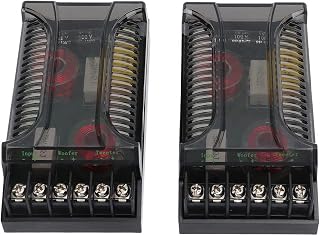
2Pcs Universal Heat Dissipation 2 Way Speaker Crossover
Why We Love It
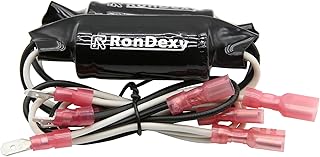
RonDexy RDBB-150 Pair of Bass Blocker/Passive Crossover
Why We Love It
Quick Pick
10 Best Passive Crossovers Of 2026
Quick Pick
300 Watts 2 Way Crossover - (2 Pack) Passive Car Audio Speaker Tweeter Mids and Highs CRX-203
Audiopipe 3 Way Crossover CRX-303 300 Watts Passive Crossover Car Audio 4 Ohm
2 PACK 3 way Crossover CRX-303 400 Watts Passive Crossover Car Audio Tweeter
THE WHITE SHOP 2 Way Crossover for Speaker, WEAH-2001 2pcs Speaker Frequency Divider 2 Way Car Audio Speakers Two Crossover Divider Crossover Filter
Pyle 2-Way Electronic Crossover Network PLXR2B - Independent High-Pass/Low-Pass Output Level Controls
Audiopipe CRX-203 2 Way Car Audio Passive Speaker Tweeter Crossover Network
2 CIARE CF231 Passive Crossover 4 Ohm 200 Watt RMS Car Setting for 2-Way System Woofer Tweeter Tweeter Tweeter Doors in Pairs + 5 Free Stickers
Soundstream SPXO.5 Passive Crossovers for Car Stereo Speakers and Tweeters, High-Pass Low-Pass Filters, Distortion Reduction, Component Protection, Pair
2Pcs Universal Heat Dissipation 2 Way Speaker Crossover - 300W Passive Frequency Divider
RonDexy RDBB-150 Pair of Bass Blocker/Passive Crossover Protect car Audio 8-12inch Speaker Filters Out 0-150Hz (4 Ohms) White and Black Wire
Buying Guide: Passive Crossovers
📋 Table of Contents
1What frequency range should I look for in passive crossovers for a 2-way speaker system?
For a 2-way system, look for crossovers with a frequency range of 1-10kHz, typically around 2-3kHz for the crossover point. This ensures clean separation between the woofer and tweeter, minimizing overlap and distortion for balanced sound.
2What materials are best for passive crossover components, and why?
Use high-quality polypropylene capacitors and metal film resistors for reliability and low distortion. These materials handle higher voltages and temperatures better than cheaper alternatives like electrolytic capacitors, which can degrade over time.
3How does the number of components in a passive crossover affect sound quality?
More components can offer finer tuning and better control over frequency response, but too many may introduce unnecessary complexity and signal loss. A 3-4 component crossover is often ideal for most home audio setups, balancing performance and simplicity.
4Is it worth paying more for a crossover with a higher power handling rating?
Yes, if your speakers are high-powered or you plan to drive them at high volumes. A crossover rated for at least 50W or more ensures it can handle the current without overheating or distorting, preserving both the crossover and speaker longevity.
5What are common mistakes when installing a passive crossover, and how to avoid them?
Mistakes include incorrect polarity, poor soldering, or using undersized wire. Always double-check speaker connections, use stranded speaker wire with proper gauge, and ensure all components are securely mounted to prevent vibration-induced noise or failure.
How we choose
Our editors are people who genuinely love testing and writing about products. We compare each product's real-world usability and strengths, then distill what matters most into our own "Why We Love It" points — so you get an honest, at-a-glance sense of what counts before you buy.