10 Best Parts Washers Of 2026
Parts Washers — Reviews, Recommendations & Updated Buying Guide November 2026

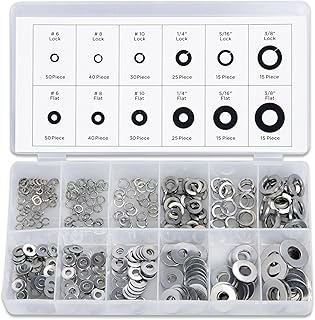
NEIKO 50400A Stainless Steel Lock and Flat Washer Assortment
Why We Love It


40pcs M5 304 Stainless Steel Flat Washer Adjustment Hardware
Why We Love It
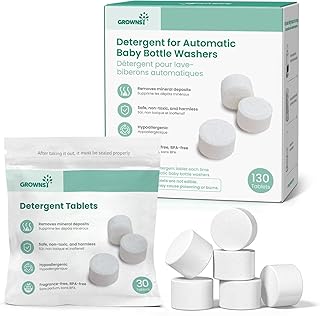
GROWNSY Bottle Washer Detergent Tablets
Why We Love It
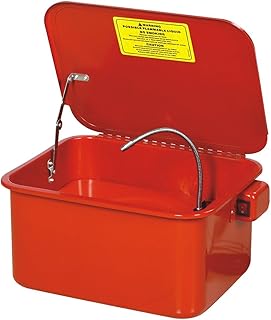
Hilka 84995505 Bench Parts Washer
Why We Love It

Thrill Parts Washer Solvent 10L Can
Why We Love It

Small Parts Steel Flat Washer
Why We Love It
Quick Pick
10 Best Parts Washers Of 2026
Quick Pick
NEIKO 50400A Stainless Steel Lock and Flat Washer Assortment | 350 Piece Set | 12 Different Sizes in Spring Lock and Flat Design | Prevent Loose Fasteners
40pcs M5 304 Stainless Steel Flat Washer Adjustment Hardware Fitting Accessories Metal Gasket for Bolts & Screws
GROWNSY Bottle Washer Detergent Tablets, 130 Count, Deep Cleaning, Compatible with All Brands of Baby Bottle Washers, Removes Milk Residue, Grease & Odor from Bottles and Pump Parts
Hilka 84995505 Bench Parts Washer
Thrill Parts Washer Solvent 10L Can - Industrial Degreaser for Precision Cleaning
Small Parts Steel Flat Washer, Zinc Plated Finish, DIN 125, Metric, M10 Screw Size, 10.5 mm ID, 20 mm OD, 2 mm Thick (Pack of 100)
Buying Guide: Parts Washers
📋 Table of Contents
1What size parts washer do I need for my workshop?
Consider the largest items you'll clean regularly and choose a capacity 20-30% larger than that — you'll need room for the cleaning solution and proper circulation. For automotive work, 20-30 litre capacity is typical for small shops, while 40-60 litre units handle larger engines and components.
2What's the difference between solvent and aqueous parts washers?
Solvent-based washers use mineral spirits or specialized cleaning fluids and are faster for heavy grease and oils, but require ventilation and have higher running costs. Aqueous washers use water-based solutions that are safer for operators and more environmentally friendly, though they're slower and better suited for light to moderate dirt.
3Should I buy a manual pump or electric circulation parts washer?
Manual pumps are cheaper and more portable but require physical effort and take longer for large batches. Electric circulation systems are worth the extra investment if you're washing multiple items regularly, as they're faster, more thorough, and less tiring to operate.
4What specifications should I check before buying?
Look at tank capacity, pump power (if electric), heating option (speeds up cleaning), drain valve location, and material quality (steel vs plastic). Also check whether the unit includes a filter or settling system, as this extends fluid life and reduces maintenance costs.
5Is it worth buying a heated parts washer?
Heating elements reduce cleaning time by 50% and improve results on stubborn grease, making them worth the investment for professional or frequent use. For occasional hobby use, a basic unheated model is sufficient, but heating pays for itself quickly in commercial settings.
How we choose
Our editors are people who genuinely love testing and writing about products. We compare each product's real-world usability and strengths, then distill what matters most into our own "Why We Love It" points — so you get an honest, at-a-glance sense of what counts before you buy.