10 Best Parts Washer Of 2026
Parts Washer — Reviews, Recommendations & Updated Buying Guide November 2026

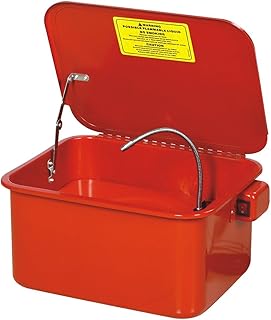
Hilka 84995505 Bench Parts Washer
Why We Love It

Quick Pick
10 Best Parts Washer Of 2026
Buying Guide: Parts Washer
📋 Table of Contents
1What size parts washer do I need for my workshop?
Tank capacity ranges from 20 to 200 litres — choose based on what you're cleaning regularly. Small 20-30 litre units suit hobby work and individual parts, while 50+ litre models handle engine blocks and multiple items at once.
2What's the difference between solvent and aqueous parts washers?
Solvent washers use chemical solvents for heavy grease and oil removal but require ventilation and solvent disposal. Aqueous systems use water-based solutions that are safer for indoor use, more environmentally friendly, but may struggle with thick, baked-on deposits.
3Should I buy a heated or unheated parts washer?
Heated models cost more but clean much faster and handle stubborn grease better — worth it if you're washing regularly. Unheated units work fine for light maintenance and occasional cleaning, though they're slower and less effective on thick buildup.
4What features actually matter when comparing parts washers?
Look for a durable pump system, easy-access drain valve, and good filtration to extend solvent life. Stainless steel construction resists corrosion, and a decent brush or spray wand attachment makes cleaning faster and more thorough.
5Is manual or automatic circulation worth the extra cost?
Manual circulation (hand pump) is cheaper and reliable for occasional use, while motorised circulation saves effort during heavy cleaning sessions. Choose motorised if you're washing frequently or cleaning large engine parts regularly.
How we choose
Our editors are people who genuinely love testing and writing about products. We compare each product's real-world usability and strengths, then distill what matters most into our own "Why We Love It" points — so you get an honest, at-a-glance sense of what counts before you buy.