10 Best Orange Guitars Of 2026
Orange Guitars — Reviews, Recommendations & Updated Buying Guide November 2026


Orange Crush 35 2 Channel Reverb Cab Sim 35 Watts
Why We Love It

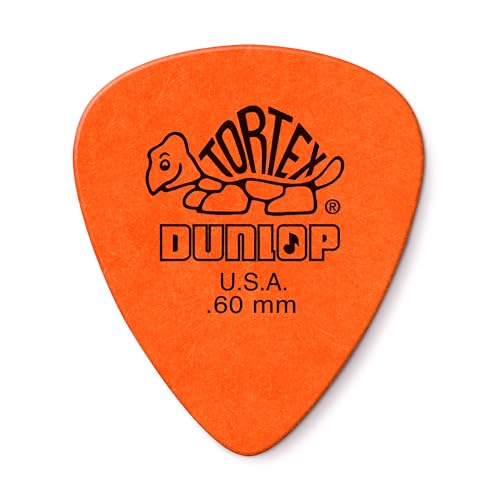
Jim Dunlop Tortex Standard Pick .60MM
Why We Love It

Orange Micro Terror 20W Hybrid Guitar Amplifier Head
Why We Love It

JIM DUNLOP Flex Triangle .60mm Orange Guitar Pick
Why We Love It

Orange Crush 20RT, Solid State Combo Amp
Why We Love It

Xvive A58 Wireless Guitar System 5.8GHz Wireless Guitar
Why We Love It

Orange Amps Micro Dark Valve Hybrid Guitar Head Amplifier
Why We Love It

Kids Ukulele Toy
Why We Love It

ORANGE MUSIC Terror Stamp 20w Valve Hybrid Guitar Amp Pedal
Why We Love It
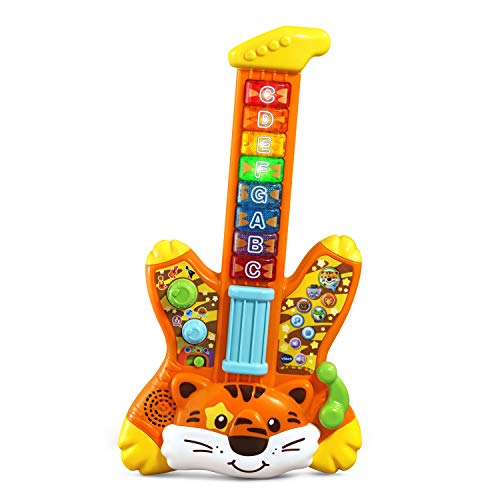
VTech Zoo Jamz Tiger Rock Guitar
Why We Love It
Quick Pick
10 Best Orange Guitars Of 2026
Quick Pick
Orange Crush 35 2 Channel Reverb Cab Sim 35 Watts, Orange
Jim Dunlop Tortex Standard Pick .60MM - 24 Pack
Orange Micro Terror 20W Hybrid Guitar Amplifier Head
JIM DUNLOP Flex Triangle .60mm Orange Guitar Pick, 6 Pack
Orange Crush 20RT - Solid State Combo Amp
Xvive A58 Wireless Guitar System 5.8GHz Wireless Guitar Transmitter Receiver for Active or Passive Pickup Electric/Acoustic Bass Guitar, ORANGE
Orange Amps Micro Dark Valve Hybrid Guitar Head Amplifier, Black
Kids Ukulele Toy, 41cm Mini Guitar with 4 Adjustable Strings, Educational Music Instrument for Toddlers and Children, Ideal for Learning and Play, Orange
ORANGE MUSIC Terror Stamp 20w Valve Hybrid Guitar Amp Pedal
VTech Zoo Jamz Tiger Rock Guitar, Orange
Buying Guide: Orange Guitars
📋 Table of Contents
1What body size is best for my playing style and comfort?
Full-size dreadnoughts offer powerful sound but may be heavy for small frames, while concert or 000 models are more compact and balanced. Travel guitars are smaller and easier to carry but sacrifice some projection and playability for adults.
2How important is the type of wood used in construction?
Solid wood tops (like spruce or cedar) produce richer, more resonant tones that improve with age, while laminated tops are more durable and stable in humid climates. Rosewood or mahogany backs and sides also affect sustain and tonal warmth.
3Should I prioritize electric or acoustic-electric features?
Acoustic-only guitars are ideal for unplugged playing, while acoustic-electrics let you amplify your sound for live or studio use. If you plan to perform or record, a built-in pickup and preamp system is worth the extra cost.
4What neck shape and scale length should I look for?
A C-shaped neck is versatile for most players, while a D-shape suits those who prefer a thicker, vintage feel. Scale length (24.75” to 25.5” is common) affects string tension and playability — shorter scales are easier for small hands or low-tension setups.
5Are branded strings or hardware worth the extra cost?
High-quality strings (like 80/20 bronze or phosphor bronze) last longer and sound better, while reputable tuners and bridges improve tuning stability and sustain. Avoid ultra-cheap hardware, as it can compromise tuning and playability over time.
How we choose
Our editors are people who genuinely love testing and writing about products. We compare each product's real-world usability and strengths, then distill what matters most into our own "Why We Love It" points — so you get an honest, at-a-glance sense of what counts before you buy.