10 Best Optical Gaming Dacs Of 2026
Optical Gaming Dacs — Reviews, Recommendations & Updated Buying Guide November 2026


Fosi Audio Q4 Headphone Amplifier DAC Converter
Why We Love It


Fosi Audio K5 Pro DAC Amp Headphone Amplifier
Why We Love It

Creative SOUND BLASTERX G6 USB-C 7.1 HD External Console
Why We Love It

Sound Blaster G8 DAC Headphone Amplifier
Why We Love It
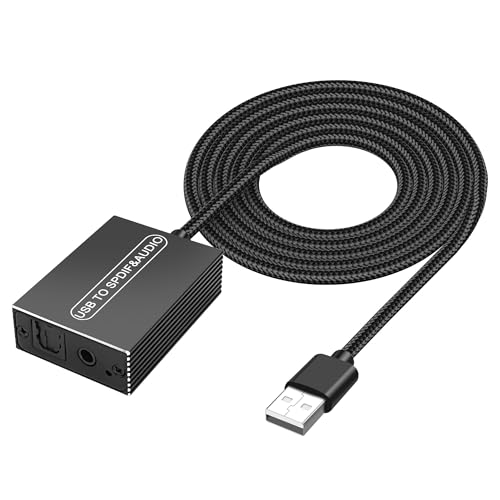
USB to Optical SPDIF Toslink & 3.5mm Jack Audio Adapter
Why We Love It

Creative Sound Blaster X4 Hi-Res 24bit/192kHz External USB
Why We Love It

NALACAL Digital to Analog Audio Converter with Bluetooth 5.1
Why We Love It

UGREEN Digital Optical Audio Cable
Why We Love It

Creative Sound Blaster X5 Hi-Res Dual DAC USB Headphone
Why We Love It

Hdmi Audio Extractor 4K 60Hz Hdmi 2.0B Splitter With Arc
Why We Love It
Quick Pick
10 Best Optical Gaming Dacs Of 2026
Quick Pick
Fosi Audio Q4 Headphone Amplifier DAC Converter, Mini Stereo Digital-to-Analog DAC Amp, USB Coaxial Optical to 3.5MM AUX RCA Jack, for Computer Desktop Powered Active Speakers Up to 24 bit/192 kHz
Fosi Audio K5 Pro DAC Amp Headphone Amplifier, Mini Hifi Stereo Digital-to-Analog Converter, USB Type-C/Coaxial/Optical to 3.5MM AUX/RCA Jack, for Gaming PS5/ PC/Active Speakers Up to 24 bit/192 kHz
Creative SOUND BLASTERX G6 USB-C 7.1 HD External Console Gaming DAC Amp with Xamp Discrete Headphone Bi-amp for PS4™, PS5™,Xbox One, Nintendo Switch/Switch2, and PC
Sound Blaster G8 DAC Headphone Amplifier, Gaming DAC for PC/PS5/Desktop Audio, Dual USB-C/Optical/HDMI Arc/Microphone/Line input, 3.5mm/Optical/Line output
USB to Optical SPDIF Toslink & 3.5mm Jack Audio Adapter Converter for TV, PS5, PS4, PC, Laptop, Smartphone to Sound Box Amplifier (1.2M/3.9FT, 1 Pcs)
Creative Sound Blaster X4 Hi-Res 24bit/192kHz External USB DAC and Amp Sound Card, Super X-Fi, Multi-Channel, 7.1 Discrete Surround, Optical-in, Optical-out, Line-in, Mic-in, Headset-in for PC and Mac
NALACAL Digital to Analog Audio Converter with Bluetooth 5.1 Receiver, Digital Optical to 3.5 mm DAC Wireless Adaptor, Coax to Analog L/R RCA 3.5 mm for TV, Gaming, CD Player, MP3
UGREEN Digital Optical Audio Cable, Toslink, 2 m | Compatible with Home Theatre Systems, Soundbars, TVs, PS4, Xbox and Blu-ray Players
Creative Sound Blaster X5 Hi-Res Dual DAC USB Headphone Bi-amplifier
Hdmi Audio Extractor 4K 60Hz Hdmi 2.0B Splitter With Arc Optical Toslink Spdif And 3.5Mm Stereo Audio Out Support Hdcp 2.2 Pcm Dts 5.1 For Tv Soundbar Amplifier Ps5 Xbox Projector (Black)
Buying Guide: Optical Gaming Dacs
📋 Table of Contents
1What sample rate and bit depth should I look for in a gaming DAC?
For high-quality audio, aim for at least 48kHz sample rate and 24-bit depth. Higher specs like 192kHz and 32-bit float are ideal for lossless audio files and immersive gaming soundscapes, but ensure your source supports them to avoid wasted potential.
2Does an optical input make a real difference for gaming?
Yes — optical (TOSLINK) inputs reduce interference and preserve digital audio quality, especially for high-resolution soundtracks and surround formats. They’re essential for a clean signal from your console or PC, but ensure your headphones or speakers support the same format for full compatibility.
3Should I prioritize a DAC with built-in headphone amplification?
If you use high-impedance or studio-grade headphones, a strong headphone amp is crucial for driving them without distortion. Look for at least 2-3W of power per channel and a dedicated volume control to avoid overloading or underpowering your setup.
4What’s the benefit of a DAC with EAX or Dolby Atmos support?
EAX and Dolby Atmos enhance spatial audio for competitive gaming, making it easier to pinpoint enemy movement or environmental cues. These features are most valuable for 7.1 or 5.1 surround setups, but ensure your game and audio files are compatible to avoid unnecessary complexity.
5Are USB-C or USB-A ports more important for a gaming DAC?
USB-C is more future-proof and offers better power delivery and data transfer, but USB-A is still widely used and reliable. Choose based on your device’s port availability and ensure the DAC supports your system’s power needs to avoid performance issues or instability.
How we choose
Our editors are people who genuinely love testing and writing about products. We compare each product's real-world usability and strengths, then distill what matters most into our own "Why We Love It" points — so you get an honest, at-a-glance sense of what counts before you buy.