10 Best Optical Desktop Dac Headphone Amplifiers Of 2026
Optical Desktop Dac Headphone Amplifiers — Reviews, Recommendations & Updated Buying Guide November 2026


Fosi Audio Q4 Headphone Amplifier DAC Converter
Why We Love It


Sound Blaster G8 DAC Headphone Amplifier
Why We Love It

Fosi Audio K5 Pro DAC Amp Headphone Amplifier
Why We Love It

Creative Sound Blaster X5 Hi-Res Dual DAC USB Headphone
Why We Love It

FIIO K11 Desktop 1400W Power Balanced Headphone DAC &
Why We Love It
FIIO K11 Desktop 1400W Power Balanced Headphone DAC &
Why We Love It
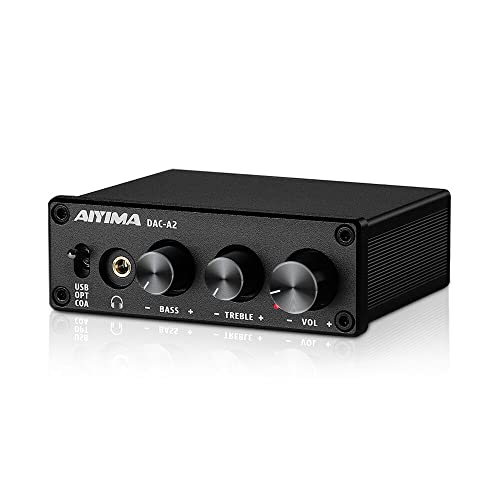
AIYIMA DAC-A2 Headphone Amplifier & Desktop DAC for PC
Why We Love It

Fosi Audio Q6 Mini Desktop DAC
Why We Love It

Fosi Audio ZH3 DAC Headphone Amp
Why We Love It

Fosi Audio K7 DAC Headphone Amp
Why We Love It
Quick Pick
10 Best Optical Desktop Dac Headphone Amplifiers Of 2026
Quick Pick
Fosi Audio Q4 Headphone Amplifier DAC Converter, Mini Stereo Digital-to-Analog DAC Amp, USB Coaxial Optical to 3.5MM AUX RCA Jack, for Computer Desktop Powered Active Speakers Up to 24 bit/192 kHz
Sound Blaster G8 DAC Headphone Amplifier, Gaming DAC for PC/PS5/Desktop Audio, Dual USB-C/Optical/HDMI Arc/Microphone/Line input, 3.5mm/Optical/Line output
Fosi Audio K5 Pro DAC Amp Headphone Amplifier, Mini Hifi Stereo Digital-to-Analog Converter, USB Type-C/Coaxial/Optical to 3.5MM AUX/RCA Jack, for Gaming PS5/ PC/Active Speakers Up to 24 bit/192 kHz
Creative Sound Blaster X5 Hi-Res Dual DAC USB Headphone Bi-amplifier
FIIO K11 Desktop 1400W Power Balanced Headphone DAC & Amplifier 384kHz/24Bit DSD256 for Home Audio/PC 6.35mm/4.4mm/RCA/Coaxial/Optical (Silver)
FIIO K11 Desktop 1400W Power Balanced Headphone DAC & Amplifier 384kHz/24Bit DSD256 for Home Audio/PC 6.35mm/4.4mm/RCA/Coaxial/Optical (Black)
AIYIMA DAC-A2 Headphone Amplifier & Desktop DAC for PC, MAC and Gaming
Fosi Audio Q6 Mini Desktop DAC, USB-C Digital to Analog Audio Converter for Home Stereo Amplifier & Headphone Amp, AK4493S XMOS XU316, Optical/Coaxial-in, RCA/Sub-Out, High-Res 32Bit/768kHz DSD512
Fosi Audio ZH3 DAC Headphone Amp, Fully Balanced Preamp with AKM4493SEQ XMOS XU316 PCM 768kHz for Amplifiers, USB/Optical/COAX/RCA/12V Trigger Input, XLR/RCA/4.4mm/6.35mm Output with Remote
Fosi Audio K7 DAC Headphone Amp, Desktop USB C Digital to Analog Audio Converter for Workspace and Gaming PC PS5, Optical/Coaxial/Bluetooth aptX HD LL/Microphone Input, 3.5mm/4.4mm Balanced/RCA Output
Buying Guide: Optical Desktop Dac Headphone Amplifiers
📋 Table of Contents
1What sample rate and bit depth should I look for in a DAC?
Aim for at least 24-bit depth and support for 192kHz sample rates to ensure high-resolution audio playback. Higher values, like 32-bit or 384kHz, offer even more detail but are only beneficial if your source files and headphones can handle them.
2Does the type of headphone output (balanced vs. single-ended) matter for sound quality?
Balanced outputs (like XLR or 4-pin) reduce noise and deliver more power for high-impedance headphones, while single-ended (3.5mm or 6.35mm) is fine for most mid- to low-impedance models. Choose based on your headphones' specs and listening environment.
3Is an optical input enough, or should I also look for coaxial or USB?
Optical is great for digital audio from devices like TVs or soundbars, but USB or coaxial may offer lower latency and better compatibility with computers. If you plan to connect multiple sources, look for models with multiple input options.
4What amplifier power (in milliwatts) is enough for my headphones?
For most consumer headphones, 50-200mW at 32 ohms is sufficient. High-impedance or studio-grade headphones may need 500mW or more. Check your headphone's impedance and power requirements to avoid underpowering or distortion.
5Are built-in EQ or volume controls worth having?
EQ controls let you tailor the sound to your taste or headphone, but can introduce distortion if poorly implemented. Physical volume knobs are more precise and durable than digital ones, making them a better choice for frequent use.
How we choose
Our editors are people who genuinely love testing and writing about products. We compare each product's real-world usability and strengths, then distill what matters most into our own "Why We Love It" points — so you get an honest, at-a-glance sense of what counts before you buy.