10 Best Noise Gate Pedals Of 2026
Noise Gate Pedals — Reviews, Recommendations & Updated Buying Guide November 2026


Behringer NOISE REDUCER NR300 Ultimate Noise Reduction
Why We Love It

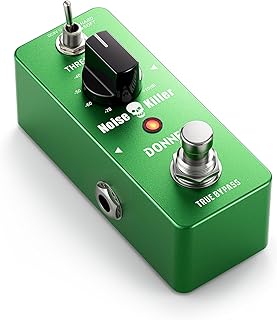
Donner Noise Gate Pedal
Why We Love It

TC Electronic SENTRY NOISE GATE Multiband Noise-Gating Pedal
Why We Love It

TC Electronic Iron Curtain Noise Gate
Why We Love It

SONICAKE Noise Gate Effects Pedal
Why We Love It

BOSS Ns-2 Noise Cancelling Pedal
Why We Love It

Electro-Harmonix The Silencer Guitar Noise Gate Pedal with
Why We Love It

MXR® Smart Gate® Noise Gate
Why We Love It

Mooer MNR1 Noise Killer Gate Pedal
Why We Love It

Revv G8 Noise Gate Pedal
Why We Love It
Quick Pick
10 Best Noise Gate Pedals Of 2026
Quick Pick
Behringer NOISE REDUCER NR300 Ultimate Noise Reduction Effects Pedal
Donner Noise Gate Pedal, Noise Killer Guitar Pedal Noise Suppressor Effect 2 Modes for Electric Guitar and Bass True Bypass
TC Electronic SENTRY NOISE GATE Multiband Noise-Gating Pedal with Hard-Gate Mode and Built-In TonePrints*
TC Electronic Iron Curtain Noise Gate
SONICAKE Noise Gate Effects Pedal, Guitar Pedal Suppressor - Noise Wiper
BOSS Ns-2 Noise Cancelling Pedal
Electro-Harmonix The Silencer Guitar Noise Gate Pedal with Effects Loop
MXR® Smart Gate® Noise Gate
Mooer MNR1 Noise Killer Gate Pedal
Revv G8 Noise Gate Pedal - Black
Buying Guide: Noise Gate Pedals
📋 Table of Contents
1What threshold setting should I look for in a noise gate pedal?
A threshold range of -60dB to 0dB is standard, allowing you to cut out low-level noise while keeping your signal clean. Look for pedals with a smooth, adjustable threshold to fine-tune how much background noise is eliminated without affecting your playing dynamics.
2Does attack time really affect my tone, and what range is best?
Yes — attack time controls how quickly the gate opens after you play. A range of 1ms to 500ms is typical, with faster settings preserving transients for percussive sounds and slower settings smoothing out your tone for sustained notes or ambient styles.
3What's the difference between a basic and a high-end noise gate pedal?
Basic models often offer only threshold and attack, while high-end units include hold, release, and range controls for more precise shaping. Advanced models may also feature sidechain inputs or dynamic filtering, which are useful for complex setups or studio-grade noise control.
4Should I prioritize a pedal with a built-in tuner or LED indicators?
LEDs showing gate status help you see if the pedal is active or muted, which is handy for live use. A built-in tuner is a bonus but not essential — many players prefer using a separate tuner for better accuracy and visibility on stage or in the studio.
5How important is the pedal's input and output impedance for my setup?
Low input impedance (around 1MΩ or less) ensures a clean signal, while high output impedance can cause tone loss. Match the pedal’s specs to your guitar and amp to avoid signal degradation, especially if you're using long cables or multiple effects in your chain.
How we choose
Our editors are people who genuinely love testing and writing about products. We compare each product's real-world usability and strengths, then distill what matters most into our own "Why We Love It" points — so you get an honest, at-a-glance sense of what counts before you buy.