10 Best Midi Electric Piano Keyboards Of 2026
Midi Electric Piano Keyboards — Reviews, Recommendations & Updated Buying Guide November 2026


Kmise Folding Piano Keyboard
Why We Love It


Alesis Melody 32
Why We Love It

Akai Professional MPK Mini IV 25-Key USB-C MIDI Keyboard
Why We Love It

Donner DDP-80 PLUS Digital Piano 88 Key Weighted Keyboard
Why We Love It

Alesis Recital Play 88-Key Piano Keyboard Bundle | Portable
Why We Love It
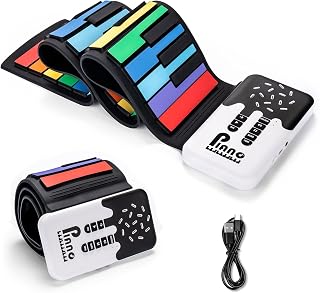
NALACAL 49 Key Roll Up Keyboard Piano
Why We Love It

AKLOT 61-Key Keyboard Piano Portable Electronic Keyboard
Why We Love It

M-AUDIO SP-2 Universal Sustain Pedal
Why We Love It

Foldable electronic keyboard
Why We Love It

Costzon 88-Key Foldable Digital Piano Keyboard
Why We Love It
Quick Pick
10 Best Midi Electric Piano Keyboards Of 2026
Quick Pick
Kmise Folding Piano Keyboard, Electric Keyboard 88 Keys Semi-Weighted Digital Foldable with Bluetooth MIDI Sustain Pedal,Music Sheet Holder,Carrying Bag
Alesis Melody 32 – Portable 32 Key Mini Digital Piano Keyboard with Built-in Speakers, 300 Built-In Sounds, 40 Demo Songs, USB-MIDI Connectivity Black
Akai Professional MPK Mini IV 25-Key USB-C MIDI Keyboard Controller, Black
Donner DDP-80 PLUS Digital Piano 88 Key Weighted Keyboard, Home Electric Piano, Supports USB-MIDI & Headphones Connection, Semi-open Cover Designed, with Metal Three Pedal, Power Adapter
Alesis Recital Play 88-Key Piano Keyboard Bundle | Portable, 480 Voices, Split/Layer Modes, Includes Lessons, Stand, Sustain Pedal, Headphones, Carry Bag, for Beginners
NALACAL 49 Key Roll Up Keyboard Piano, Rechargeable, Recording Feature, 8 Tones, 6 Educational Demo Songs & Build-in, Portable Digital Electric Piano Keyboard, Educational Piano, for Beginners Gift
AKLOT 61-Key Keyboard Piano Portable Electronic Keyboard Small Electric Piano for Kids Beginners w/LCD Screen Luminous Full Size Keys,Music Stand,Microphone,Power Adapter (Black)
M-AUDIO SP-2 Universal Sustain Pedal | Classic Piano-Style Pedal, Universal Compatibility with MIDI Keyboards, Pianos, and Synthesizers
Foldable electronic keyboard, SOUNDCOUS 88-key semi-weighted piano, portable digital piano with MIDI/Bluetooth function, sustain pedal, and piano bag, suitable for beginners and travelers (Black)
Costzon 88-Key Foldable Digital Piano Keyboard, Full Size Semi-Weighted Keyboard, Portable Electric Piano w/MIDI, Split Function, Sustain Pedal & Carrying Bag for Beginner (White)
Buying Guide: Midi Electric Piano Keyboards
📋 Table of Contents
1What key range should I look for in a MIDI electric piano keyboard?
A standard 61-key MIDI keyboard covers most common musical needs, but 76 or 88 keys offer a more authentic piano experience. If you play classical or complex compositions, 88 keys with weighted action is ideal for dynamic expression and realism.
2Does velocity sensitivity really matter for performance?
Yes — velocity sensitivity lets you control volume and tone based on how hard you press the keys, which is essential for expressive playing. Look for at least 4 levels of sensitivity, though 8 or more provides a more nuanced and responsive feel.
3What MIDI connectivity options are most useful?
USB MIDI is standard for connecting to computers and DAWs, while 5-pin MIDI ports allow for older gear compatibility. If you plan to use external controllers or synths, look for a model with both USB and MIDI I/O for maximum flexibility.
4Are semi-weighted or fully weighted keys better for me?
Semi-weighted keys are lighter and ideal for pop, rock, or fast playing, while fully weighted keys mimic acoustic pianos and suit classical or jazz styles. Choose based on your playing style and the feel you're used to from acoustic instruments.
5What accessories are worth buying with a MIDI electric piano keyboard?
A sturdy stand and padded case protect your keyboard during transport, while a sustain pedal adds expressive control. A MIDI cable or audio interface may also be needed if your keyboard lacks USB connectivity or you want to connect to external devices.
How we choose
Our editors are people who genuinely love testing and writing about products. We compare each product's real-world usability and strengths, then distill what matters most into our own "Why We Love It" points — so you get an honest, at-a-glance sense of what counts before you buy.