10 Best Microphone Preamps Of 2026
Microphone Preamps — Reviews, Recommendations & Updated Buying Guide November 2026

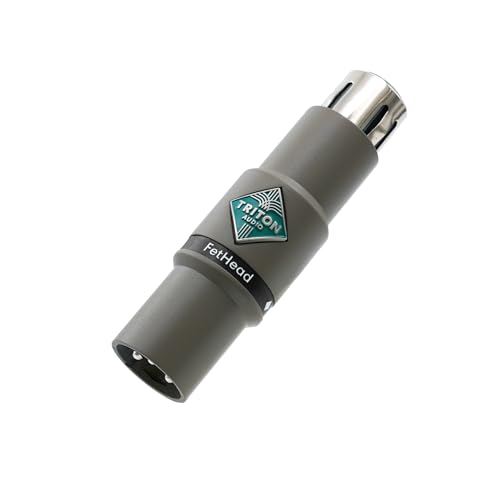
Triton Audio FetHead in-Line Microphone Preamp
Why We Love It

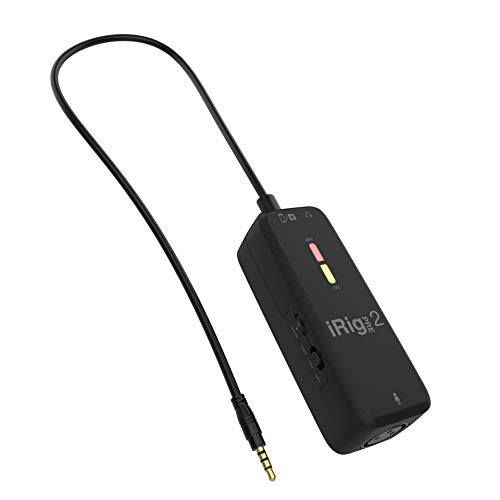
IK Multimedia iRig Pre 2 mic preamp Adapter Interface for
Why We Love It

Shure SM7dB Dynamic Vocal Microphone w/Built-In Preamp for
Why We Love It

Cloud Microphones Cloud Microphones
Why We Love It

SE ELECTRONICS DM1 Dynamite Ultra-Slim Inline Microphone
Why We Love It

TRITON AUDIO FetHead Filter In-Line Microphone Preamp
Why We Love It
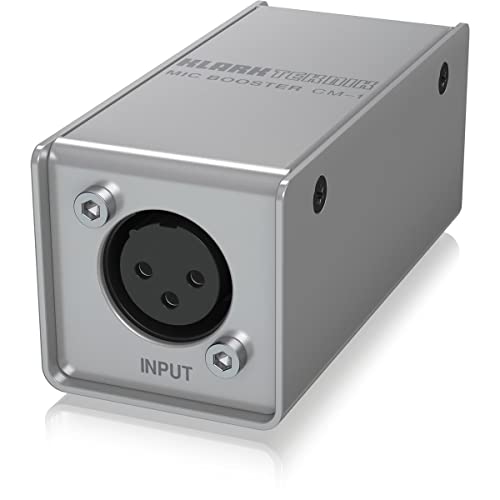
Klark Teknik MIC BOOSTER CM-1 Dynamic Microphone Booster
Why We Love It

MOTU M2 USB-C Audio Interface
Why We Love It

SE ELECTRONICS DM1 Dynamite Ultra-Slim Inline Microphone
Why We Love It

Inline Microphone Preamp
Why We Love It
Quick Pick
10 Best Microphone Preamps Of 2026
Quick Pick
Triton Audio FetHead in-Line Microphone Preamp
IK Multimedia iRig Pre 2 mic preamp Adapter Interface for iPhone, iPad, Android, iOS & DSLR Cameras, with +48V Phantom Power, XLR Connector & Headphone Output
Shure SM7dB Dynamic Vocal Microphone w/Built-In Preamp for Streaming, Podcast, & Recording, Wide-Range Frequency, Warm & Smooth Sound, Rugged Construction, Detachable Windscreen - Black
Cloud Microphones Cloud Microphones, Cloudlifter, CL-1, Microphone Amplifier
SE ELECTRONICS DM1 Dynamite Ultra-Slim Inline Microphone Preamp for Ribbon & Dynamic Microphones - Mic Preamp with +28dB Gain for Clean, Natural Sound - Ideal for Podcasting & Live Sound (Red)
TRITON AUDIO FetHead Filter In-Line Microphone Preamp
Klark Teknik MIC BOOSTER CM-1 Dynamic Microphone Booster with Preamp
MOTU M2 USB-C Audio Interface
SE ELECTRONICS DM1 Dynamite Ultra-Slim Inline Microphone Preamp for Ribbon & Dynamic Microphones - Mic Preamp with +28dB Gain for Clean, Natural Sound - Ideal for Podcasting & Live Sound (Black)
Inline Microphone Preamp, DM1 Dynamite Active in Line Compact Dynamic Microphone Booster with Preamp, Up to 28dB, Mic Booster Preamplifier for Studio Podcasts Streaming Party
Buying Guide: Microphone Preamps
📋 Table of Contents
1What gain range should I look for in a microphone preamp?
A preamp with 40-60dB of gain is ideal for most condenser mics and quiet sources like acoustic guitars. Higher gain (up to 70dB) is useful for dynamic mics in low-output situations, but avoid models with too little gain that require boosting in post-production.
2Does phantom power matter for my setup?
Yes — if you use condenser microphones, look for a preamp with 48V phantom power. Dynamic mics don’t need it, but having the option ensures compatibility with a wider range of mics and studio setups.
3What’s the difference between discrete and op-amp preamps?
Discrete preamps use individual transistors for a cleaner, more transparent sound, often preferred in professional studios. Op-amp preamps are more affordable and compact but may add subtle coloration. Choose based on your budget and desired tonal character.
4How important is a high-impedance instrument input?
If you plan to connect guitars or basses directly, a high-impedance input (Hi-Z) is essential for preserving tone and avoiding signal loss. Some preamps include this as a dedicated input, while others require an external DI box for the same result.
5Are balanced XLR outputs worth the extra cost?
Yes — balanced XLR outputs reduce noise over long cable runs and are standard in professional audio setups. If you plan to connect to a mixing console or audio interface, this feature ensures a clean, interference-free signal path.
How we choose
Our editors are people who genuinely love testing and writing about products. We compare each product's real-world usability and strengths, then distill what matters most into our own "Why We Love It" points — so you get an honest, at-a-glance sense of what counts before you buy.