10 Best Metra Amps Of 2026
Metra Amps — Reviews, Recommendations & Updated Buying Guide November 2026


Metra 70-5521 Radio Wiring Harness for Ford 03-Up Amp
Why We Love It


Metra 70-2021 Amplifier Integration Harness for 2000-2001
Why We Love It

Metra Electronics 70-8112 Radio Wiring Harness for Toyota
Why We Love It

Metra 72-8104 Speaker Connector for Select Toyota Vehicles
Why We Love It
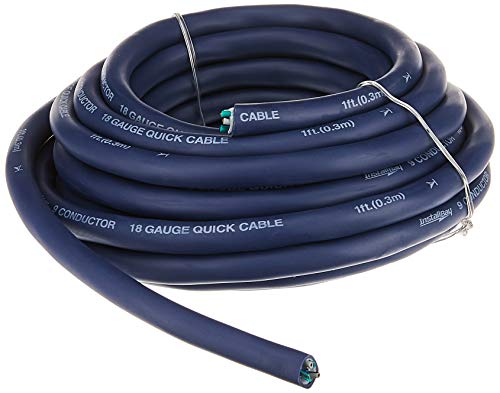
Metra MC918-20 20-Feet Nine-Conductor 18 AWG Twisted
Why We Love It

Metra 70-8113 Amplifier Integration Harness for Select
Why We Love It

Metra 70-5514 Radio Wiring Harness Amp Bypass System
Why We Love It

Metra 70-5510 1986-2000 Ford Low-Level Amp Integration
Why We Love It

Metra Electronics 70-5511 Radio Wiring Harness FD Amp
Why We Love It

Metra 70-7003 Radio Wiring Harness for Mitsubishi Amp Integr
Why We Love It
Quick Pick
10 Best Metra Amps Of 2026
Quick Pick
Metra 70-5521 Radio Wiring Harness for Ford 03-Up Amp
Metra 70-2021 Amplifier Integration Harness for 2000-2001 Chevrolet Impala/Monte Carlo
Metra Electronics 70-8112 Radio Wiring Harness for Toyota Amp Integration 15 Pin
Metra 72-8104 Speaker Connector for Select Toyota Vehicles - cream
Metra MC918-20 20-Feet Nine-Conductor 18 AWG Twisted Multi-Use
Metra 70-8113 Amplifier Integration Harness for Select 2000-2004 Toyota Vehicles
Metra 70-5514 Radio Wiring Harness Amp Bypass System
Metra 70-5510 1986-2000 Ford Low-Level Amp Integration Harness
Metra Electronics 70-5511 Radio Wiring Harness FD Amp Integration System, Gray
Metra 70-7003 Radio Wiring Harness for Mitsubishi Amp Integr
Buying Guide: Metra Amps
📋 Table of Contents
1What power output (watts) do I need for my setup?
For home use with a single speaker or small PA system, 50-150W is sufficient. For larger spaces or multiple speakers, look for 200W or more to avoid distortion and ensure clean, powerful sound.
2Should I choose a tube amp or a solid-state amp?
Tube amps deliver warm, rich tones ideal for jazz, blues, or vintage rock, but they’re less efficient and require more maintenance. Solid-state amps are more durable, energy-efficient, and consistent, making them better for live performance or frequent use.
3What input options should I look for?
At minimum, ensure your amp has 1/4” instrument inputs and RCA or 3.5mm aux for connecting devices. For versatility, look for XLR mic inputs and balanced line inputs if you plan to use it for live vocals or studio monitoring.
4How important is built-in EQ for sound quality?
A 3-band EQ (bass, mid, treble) is standard and sufficient for most users. For more control, especially in live settings, a 5-band or parametric EQ allows precise tuning of your sound to match your room or performance space.
5Are built-in effects worth it, or should I use an external pedal?
Built-in reverb and delay are convenient for casual use, but they often lack the quality and range of dedicated pedals. If you’re serious about tone, prioritize an amp with a clean signal path and use external effects for better sound and flexibility.
How we choose
Our editors are people who genuinely love testing and writing about products. We compare each product's real-world usability and strengths, then distill what matters most into our own "Why We Love It" points — so you get an honest, at-a-glance sense of what counts before you buy.