10 Best Metal Cutting Circular Saws Of 2026
Metal Cutting Circular Saws — Reviews, Recommendations & Updated Buying Guide November 2026


HYCHIKA BETTER TOOLS FOR BETTER LIFE 500W Mini Circular Saw
Why We Love It


Black & Decker 1400W 184mm Sierra Circular Saw with Bevel
Why We Love It

Evolution Power Tools R185CCSX Circular Saw With 1020 mm
Why We Love It

DEWALT DCS373B 20V Max Lithium Ion Metal Cutting Circular
Why We Love It
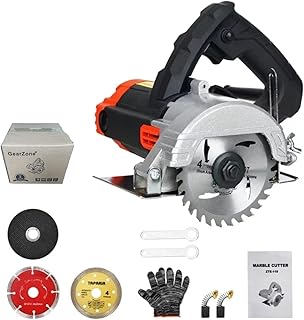
Circular Saws 1200W High Power Cutting Machine
Why We Love It

Focket Mini Circular Saw
Why We Love It

Cordless Circular Saw
Why We Love It
Quick Pick
10 Best Metal Cutting Circular Saws Of 2026
Quick Pick
HYCHIKA BETTER TOOLS FOR BETTER LIFE 500W Mini Circular Saw, 4500RPM, Cutting Depth 0-25mm, Pure Copper Motor, 3 Blades for Wooden, Soft Metal, Tiles and Plastic Cuts
Black & Decker 1400W 184mm Sierra Circular Saw with Bevel Angle Cutting with 18 Tooth Saw Blade , Orange/Black - CS1004-B5, 2 Years Warranty
Evolution Power Tools R185CCSX Circular Saw With 1020 mm 3-Piece Track | Multi-Material Blade, Cuts Wood, Metal, Plastic & More | Incl Dust Port Adapter | 185mm (230v)
DEWALT DCS373B 20V Max Lithium Ion Metal Cutting Circular Saw (Tool Only)
Circular Saws 1200W High Power Cutting Machine Multifunctional Portable Chainsaw Tool For Tile Stone Metal Wood Slotting Machine with 4 Saw Blades (Color : Orange/Black)
Focket Mini Circular Saw, Max Cutting Depth 0.91" 19000RPM 800W Small Circular Saw Compact Wireless with 2 Blades Dust Collection Protective Cover, for Wood Metal
Cordless Circular Saw, 1200W 6500RPM with 2 Batteries and 2 Saw Blades, Manul Guide, Max Cutting Depth 32mm
Buying Guide: Metal Cutting Circular Saws
📋 Table of Contents
1What's the difference between a metal cutting circular saw and a regular wood saw?
Metal cutting saws have abrasive or carbide blades designed to handle hardened materials, while wood saws have toothed blades that would break or dull quickly on metal. Metal saws also run at lower RPMs (typically 1,400-3,500) to prevent overheating and blade damage.
2What blade type should I choose for different metals?
Abrasive blades work well for mild steel, aluminum, and stainless steel on a budget, but wear faster. Carbide-tipped blades cost more upfront but last 5-10 times longer and make cleaner cuts, making them better for regular use.
3How do I know what cutting depth and blade size I need?
Check the maximum material thickness you'll cut regularly—most home users need 3-4mm depth, which a 110-125mm blade handles easily. Industrial or heavy-duty users cutting thicker stock should look for 150-180mm saws with greater cutting capacity.
4When is it worth spending more on a metal cutting saw?
Invest in a higher-end model if you'll use it frequently or professionally, as better cooling systems, more stable cutting, and durable blades save time and money long-term. For occasional hobby work, a basic model with replaceable abrasive blades is usually sufficient.
5What features protect safety when cutting metal?
Look for guards that fully cover the blade, a secure clamp or vice to hold the workpiece, and kickback protection. Wet cutting models (which use coolant) reduce heat and sparks, making them safer and producing better results than dry cutting.
How we choose
Our editors are people who genuinely love testing and writing about products. We compare each product's real-world usability and strengths, then distill what matters most into our own "Why We Love It" points — so you get an honest, at-a-glance sense of what counts before you buy.