10 Best Men Trail Runners Of 2026
Men Trail Runners — Reviews, Recommendations & Updated Buying Guide November 2026


Allbirds Men's Trail Runner
Why We Love It


PAKMEZ Bronoir Barefoot Shoes
Why We Love It

ASICS Gel-Venture 11 mens Sneaker
Why We Love It
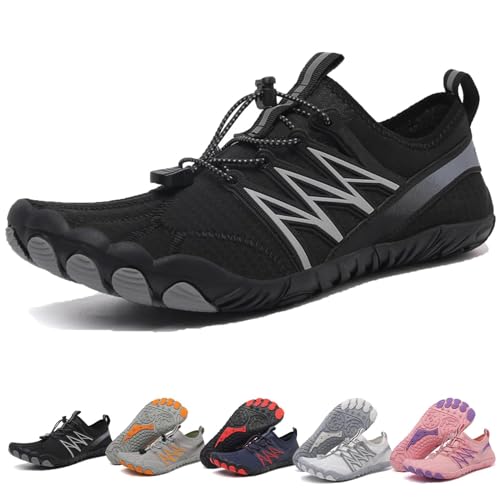
Bronoir Barefoot Shoes Bronoir Air Barefoot Shoes Minimalist
Why We Love It

Salomon Men's XA PRO 3D Trail Running and Hiking Shoe
Why We Love It
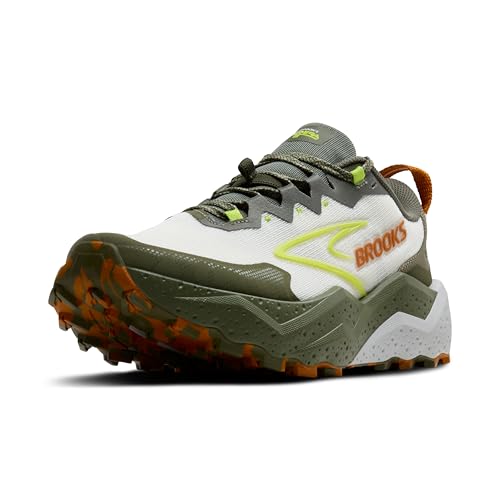
Brooks Men’s Caldera 8 Ultra Trail Running Shoe
Why We Love It

Salomon Men's Speedcross 6 GTX Trail Running Shoes
Why We Love It

Asics Men's GEL-PULSE 17
Why We Love It

Salomon mens Classic, Black/Black/Phantom
Why We Love It

Salomon Men's Running Shoes
Why We Love It
Quick Pick
10 Best Men Trail Runners Of 2026
Quick Pick
Allbirds Men's Trail Runner, Breathable All Traction Hiking Shoes, True Navy, Hazy Indigo (Natural Black Sole), 9.5
PAKMEZ Bronoir Barefoot Shoes, Bronoir Air Barefoot Shoes, Minimalist Trail Runner Men Women Trail Running Shoes
ASICS Gel-Venture 11 mens Sneaker
Bronoir Barefoot Shoes Bronoir Air Barefoot Shoes Minimalist Trail Runner Men Women Trail Running Shoes black, 43 EU
Salomon Men's XA PRO 3D Trail Running and Hiking Shoe
Brooks Men’s Caldera 8 Ultra Trail Running Shoe - Dusty Olive/Lime/Oyster - 11 Medium
Salomon Men's Speedcross 6 GTX Trail Running Shoes, Grisaille, 44 EU
Asics Men's GEL-PULSE 17, Blue, EU 44
Salomon mens Classic, Black/Black/Phantom, 38 EU
Salomon Men's Running Shoes, gray, 43 1/3 EU
Buying Guide: Men Trail Runners
📋 Table of Contents
1What weight range is best for trail running shoes?
Look for trail runners between 250-350g per shoe for a balance of speed and protection. Lighter shoes (250-300g) suit fast-paced or technical trails, while heavier models (300-350g) offer more cushioning and durability for long-distance runs.
2How much ground coverage do I need in the outsole?
Aggressive lugs (8-12mm) with deep grooves are ideal for muddy or rocky terrain, while moderate lugs (5-7mm) work better on dry or packed trails. More coverage adds weight and slows you down, so match it to your trail conditions.
3Should I prioritize cushioning or stability?
Cushioning (25-40mm stack height) is better for long runs and joint protection, while stability (18-25mm) suits faster, technical trails where responsiveness matters. Choose based on your running style and terrain frequency.
4What type of upper material is most durable and breathable?
Mesh uppers with reinforced toe caps and water-resistant coatings (like Gore-Tex or eVent) offer breathability and protection. Full leather or synthetic overlays add durability but reduce breathability, so balance based on climate and trail conditions.
5Are gaiters or ankle collars necessary for trail running?
High-cut models with 10-15cm collars help prevent debris and provide extra ankle support on uneven terrain. If you run on less technical trails, a mid-cut with a secure lacing system may be sufficient and more breathable.
How we choose
Our editors are people who genuinely love testing and writing about products. We compare each product's real-world usability and strengths, then distill what matters most into our own "Why We Love It" points — so you get an honest, at-a-glance sense of what counts before you buy.