10 Best Marine Electronics Of 2026
Marine Electronics — Reviews, Recommendations & Updated Buying Guide November 2026

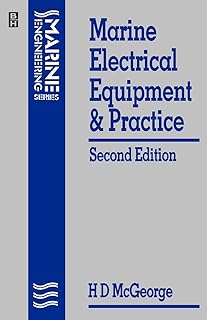
Marine Electrical Equipment and Practice
Why We Love It


MARINE ELECTRONICS
Why We Love It

Marine Electrical and Electronics Bible 4th edition: A
Why We Love It

Marine Electrical and Electronics Bible
Why We Love It

International Marine Publishing The Sextant Handbook
Why We Love It

Modern Marine Electrical and Electronics Systems
Why We Love It

NMEA 2000 Network Engineering Made Simple: Practical
Why We Love It

Fish Finder Mount Base
Why We Love It

Ancor 180503 Marine Grade Electrical Primary Tinned Copper
Why We Love It

Ancor 100110 Marine Grade Electrical Primary Tinned Copper
Why We Love It
Quick Pick
10 Best Marine Electronics Of 2026
Quick Pick
Marine Electrical Equipment and Practice
MARINE ELECTRONICS - A BOOK ON ANALOG ELECTRONICS AND COMMUNICATION
Marine Electrical and Electronics Bible 4th edition: A practical handbook for cruising sailors
Marine Electrical and Electronics Bible
International Marine Publishing The Sextant Handbook
Modern Marine Electrical and Electronics Systems
NMEA 2000 Network Engineering Made Simple: Practical Techniques for Marine Electronics and Smart Device Connectivity
Fish Finder Mount Base, Universal Marine Electronic Mount, 360 Degree Rotation Holder
Ancor 180503 Marine Grade Electrical Primary Tinned Copper Boat Wiring (18-Gauge, Orange, 35-Feet)
Ancor 100110 Marine Grade Electrical Primary Tinned Copper Boat Wiring (18-Gauge, Dark Blue, 100-Feet)
Buying Guide: Marine Electronics
📋 Table of Contents
1What's the difference between a chartplotter and a fish finder?
A chartplotter shows your boat's position on navigational maps and helps with route planning, while a fish finder uses sonar to detect fish and underwater structures below your boat. Many modern units combine both functions in one display, which is more convenient and space-efficient for smaller vessels.
2How do I know if a GPS is waterproof enough for my boat?
Look for an IPX rating of at least IPX6 or IPX7—anything lower won't handle spray and splash reliably. Check if the unit has sealed connectors and a rubberized case, and avoid models with exposed LCD screens that can be hard to read in bright sunlight.
3What size screen should I get for my boat?
For boats under 25 feet, a 5-7 inch screen is typically sufficient and won't clutter your console. Larger vessels benefit from 9-12 inch screens for better visibility of detailed charts, especially if your helm area allows space and power supply.
4When is it worth paying more for premium marine electronics?
Invest in better units if you fish offshore, navigate in poor visibility, or spend extended time on the water—advanced features like better sonar clarity and dual-frequency transducers genuinely improve safety and catch rates. Budget models work fine for casual coastal cruising with good weather.
5Do I need a transducer with my fish finder, and what's the difference between types?
Yes, a transducer is essential—it sends and receives sonar signals underwater. Single-frequency models (typically 200kHz) suit general use, while dual-frequency units give you 50kHz for deep water and 200kHz for detail, making them more versatile but more expensive.
How we choose
Our editors are people who genuinely love testing and writing about products. We compare each product's real-world usability and strengths, then distill what matters most into our own "Why We Love It" points — so you get an honest, at-a-glance sense of what counts before you buy.