10 Best Manual Camera Lenses Of 2026
Manual Camera Lenses — Reviews, Recommendations & Updated Buying Guide November 2026


11 in 1 Cell Phone Camera Lens Kit Wide Angle Lens & Macro
Why We Love It


YONGNUO YN50mm F1.8N Standard Prime Lens Large Aperture Auto
Why We Love It

NEEWER 7X Telephoto Lens with Phone Clip Compatible with
Why We Love It

Meike 35mm F1.7 Large Aperture Manual Prime Fixed Lens APS-C
Why We Love It

Updated Version Apexel 6 in 1 Phone Camera Lens Kit Wide
Why We Love It

The Beginner's Photography Guide: The Ultimate Step-by-Step
Why We Love It

Canon Black, EF 75
Why We Love It

Ring Indoor Camera Plus (newest gen)| Plug-In Security
Why We Love It
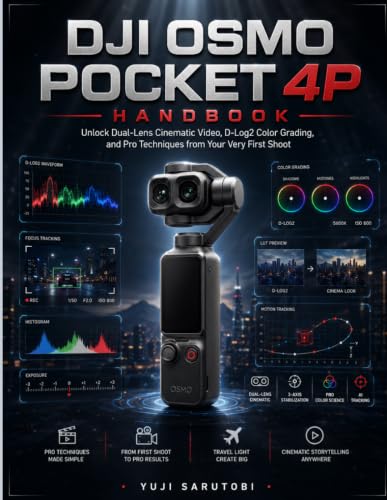
DJI Osmo Pocket 4P Handbook: Unlock Dual-Lens Cinematic
Why We Love It

ESR for iPhone 17 Pro Max/17 Pro Camera Lens Protector
Why We Love It
Quick Pick
10 Best Manual Camera Lenses Of 2026
Quick Pick
11 in 1 Cell Phone Camera Lens Kit Wide Angle Lens & Macro Lens+Fisheye Lens+Telephoto Lens+CPL/Flow/Radial/Star/Soft Filter+Kaleidoscope Lens Compatible for iPhone Samsung Sony and Most of Smartphone
YONGNUO YN50mm F1.8N Standard Prime Lens Large Aperture Auto Manual Focus AF MF for Nikon DSLR Cameras
NEEWER 7X Telephoto Lens with Phone Clip Compatible with iPhone Samsung, 15 Elements 12 Groups 7X Magnification Lens for 17mm Threaded Phone Cage/Case/Backplate, LS-36 PRO
Meike 35mm F1.7 Large Aperture Manual Prime Fixed Lens APS-C for Sony E-Mount Mirrorless Cameras NEX 3 3N 5 NEX 5T NEX 5R NEX 6 7 A6600 A6400 A5000 A5100 A6000 A6100 A6300 A6500 A3000
Updated Version Apexel 6 in 1 Phone Camera Lens Kit Wide Angle Lens + Macro Lens + Fisheye Lens + ND Filter+ CPL/Star Filter Clip-On Phone for iPhone 8/x 7/Plus Samsung S8 Android Smartphones
The Beginner's Photography Guide: The Ultimate Step-by-Step Manual for Getting the Most from Your Camera and Phone
Canon Black, EF 75 - 300 mm f/4.0 - 5.6 III Filter Size 58 mm Zoom Lens (Not USM), 6 cm
Ring Indoor Camera Plus (newest gen)| Plug-In Security Camera | Retinal 2K, 4x Enhanced Zoom, Low-Light Sight, Manual Lens Cover | 30-day free trial of Ring Subscription
DJI Osmo Pocket 4P Handbook: Unlock Dual-Lens Cinematic Video, D-Log2 Color Grading, and Pro Techniques from Your Very First Shoot
ESR for iPhone 17 Pro Max/17 Pro Camera Lens Protector, 1 Pack, Clear | Individual Camera Cover, 9H Tempered Glass, Original Camera Clarity, for iPhone 17/16/15/14 Pro Max/Pro, Case Friendly
Buying Guide: Manual Camera Lenses
📋 Table of Contents
1What focal length should I choose for my needs?
For everyday use, 50mm is versatile and mimics human vision. Wide-angle lenses (16–35mm) suit landscapes, while telephoto (70–200mm) is ideal for portraits or sports. Match the focal range to your primary subject to avoid constant cropping or stepping back.
2Does lens aperture (f-stop) really matter for manual lenses?
Yes — a wide aperture (f/1.4–f/2.8) lets in more light, giving you better low-light performance and a shallow depth of field for portraits. Narrower apertures (f/4–f/8) are fine for daylight or sharp landscapes, but may require a tripod in low light.
3Should I buy a prime or zoom manual lens?
Prime lenses (fixed focal length) are typically sharper, faster, and more affordable, making them great for portraits or low-light. Zooms (variable focal length) offer flexibility but may sacrifice some sharpness and maximum aperture. Choose based on your shooting style and need for versatility.
4What lens mount should I look for with my camera?
Ensure the lens has a compatible mount for your camera body — common ones include Canon EF, Nikon F, Sony E, and Micro Four Thirds. Some manual lenses use adapters, but check for autofocus and electronic communication support if needed.
5Are manual focus lenses harder to use than autofocus ones?
Not necessarily — many modern manual lenses have clear focus peaking and magnification aids for precise focusing. They’re often preferred by photographers who want full control, especially in low-light or macro photography, and can be faster in certain situations than autofocus.
How we choose
Our editors are people who genuinely love testing and writing about products. We compare each product's real-world usability and strengths, then distill what matters most into our own "Why We Love It" points — so you get an honest, at-a-glance sense of what counts before you buy.