10 Best Mad Rock Crash Pads Of 2026
Mad Rock Crash Pads — Reviews, Recommendations & Updated Buying Guide November 2026


SaferBounce Crash Pad for Kids Sensory
Why We Love It


SaferBounce Crash Pad for Kids Sensory
Why We Love It
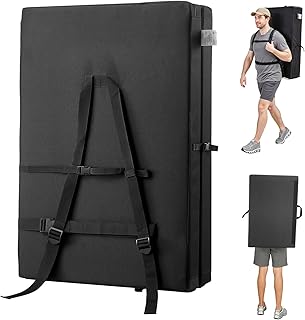
VEVOR Bouldering Crash Pad
Why We Love It

Asana Hero Bouldering Crash Pad - Deluxe Suspension
Why We Love It

Asana VersaPad
Why We Love It

HK Army Crash Arm Pads (Camo
Why We Love It

5' x 5' Cover Replacement for Crash Pad
Why We Love It
Quick Pick
10 Best Mad Rock Crash Pads Of 2026
Quick Pick
SaferBounce Crash Pad for Kids Sensory | Big 5Ft x 5Ft Or 3Ft x 4Ft | Autism Sensory Crash Mat for Jumping & Play | Crashpad | Soft Foam Landing Pad for Kids | Giant Pillow Mat | Climbing & Gymnastics
SaferBounce Crash Pad for Kids Sensory | Big 5Ft x 5Ft Or 3Ft x 4Ft | Autism Sensory Crash Mat for Jumping & Play | Crashpad | Soft Foam Landing Pad for Kids | Giant Pillow Mat | Climbing & Gymnastics
VEVOR Bouldering Crash Pad, Bi-Fold Rock Climbing Crash Pad with Adjustable Backpack Straps and Handle, Foldable Lightweight for Indoor Bouldering & Outdoor Climbing, Folded Size 35.6" x 24" x 8.3"
Asana Hero Bouldering Crash Pad - Deluxe Suspension, Triple Layer Dual Density Foam Structure, Heavy Duty Nylon - Premium Rock Climbing Crash Mat (48 x 36 x 4) (Photon)
Asana VersaPad - Revolutionary Supplemental Bouldering Crash Pad - Sit Start Bouldering Mat, Climbing Crash Pad Gap Cover, Sport Mat & Essential Bouldering Gear
HK Army Crash Arm Pads (Camo, XL)
5' x 5' Cover Replacement for Crash Pad, Crash Pads Cover for Kids and Adult Sensory, Durable and Safe, Machine-Washable, Crash Pads Cover Only, Protective Cover
Buying Guide: Mad Rock Crash Pads
📋 Table of Contents
1What thickness of padding do I need for Mad Rock crash pads?
Most climbers need 4-5 inches of foam for indoor climbing and moderate boulder problems, but if you're tackling taller outdoor problems or doing dynamic moves, 6 inches gives better protection. The thickness matters more than the brand—thinner pads leave you vulnerable to harder impacts on your feet and ankles.
2What's the difference between Mad Rock's folding and rolling pad models?
Folding pads are easier to position exactly where you need them and more portable for car travel, while rolling pads (like the classic cylindrical design) compress smaller but take up more vertical space once deployed. Choose folding if you're hiking to crags, rolling if you're climbing near a vehicle.
3How do I know what size crash pad to buy?
A standard pad should be at least 6 feet long and 4 feet wide to cover the landing zone safely—check the boulder's height and your falling pattern before deciding. Larger pads (8x4 feet or bigger) work better for taller problems but become harder to carry solo.
4Are Mad Rock pads worth buying over cheaper brands?
Mad Rock pads hold up better over time and have consistent foam quality, which matters if you're climbing outdoors regularly where pads take repeated hard impacts. The extra durability pays off if you're using it more than once a month.
5What should I check when buying a Mad Rock pad second-hand?
Inspect the foam for compression spots or dips by pressing the surface—any permanent indentations mean the padding won't protect as well. Also check the cover for large tears or water damage, as wet foam loses its protective properties permanently.
How we choose
Our editors are people who genuinely love testing and writing about products. We compare each product's real-world usability and strengths, then distill what matters most into our own "Why We Love It" points — so you get an honest, at-a-glance sense of what counts before you buy.