10 Best Lithium Replacement Batteries Of 2026
Lithium Replacement Batteries — Reviews, Recommendations & Updated Buying Guide November 2026

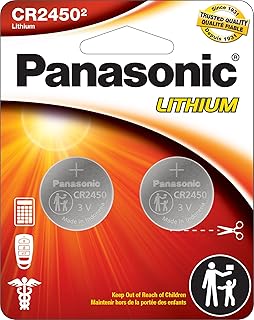
Panasonic CR2450 3.0 Volt Long Lasting Lithium Coin Cell
Why We Love It


CR2032 Batteries
Why We Love It

Duracell High Power Lithium CR2 Battery 3 V
Why We Love It

Camelion CR2032-BP1 3V Lithium Coin Cell Battery
Why We Love It

Camelion CR1220-BP1 3V Lithium Coin Cell Battery
Why We Love It

Amazon Basics 6-Pack Non-Rechargeable CR123A Lithium
Why We Love It

Amazon Basics CR1632 Lithium Coin Battery
Why We Love It
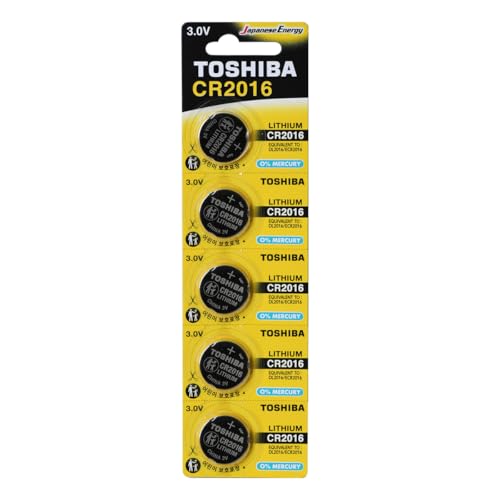
Toshiba CR2016 3V Lithium Coin Cell Battery Pack of 5
Why We Love It

14.4V 2600mAh 2800mAh 3000mAh 3500mAh Replacement Lithium
Why We Love It

DC 3.7V 1000mAh 603048 Rechargeable Lithium Polymer Battery
Why We Love It
Quick Pick
10 Best Lithium Replacement Batteries Of 2026
Quick Pick
Panasonic CR2450 3.0 Volt Long Lasting Lithium Coin Cell Batteries in Child Resistant, Standards Based Packaging, 2-Battery Pack
CR2032 Batteries - CHEFFS 20PCS 3V Lithium Coin Cell CR2032 Watch Battery Replacement for Apple AirTag Car Key Fob Remote LED Light Candles
Duracell High Power Lithium CR2 Battery 3 V, Pack of 2 (CR15H270) Designed for Use in Sensors, Keyless Locks, Photo Flash and Flashlights
Camelion CR2032-BP1 3V Lithium Coin Cell Battery
Camelion CR1220-BP1 3V Lithium Coin Cell Battery
Amazon Basics 6-Pack Non-Rechargeable CR123A Lithium Batteries, 3 Volt, Up to 10-Year Shelf Life
Amazon Basics CR1632 Lithium Coin Battery, 4 Count (Pack of 1)
Toshiba CR2016 3V Lithium Coin Cell Battery Pack of 5 batteries
14.4V 2600mAh 2800mAh 3000mAh 3500mAh Replacement Lithium Battery Rechargeable Sweeping Robot Vacuum Cleaner Battery 14.4V Spare Li-ion Battery
DC 3.7V 1000mAh 603048 Rechargeable Lithium Polymer Battery, Suitable for DIY 3.7-5V Electronic Products with Built-in 2-Wire Battery Replacement and LED Lights
Buying Guide: Lithium Replacement Batteries
📋 Table of Contents
1What mAh rating do I need for my device?
Look for a lithium replacement battery with at least 800-1500 mAh for small electronics like flashlights or GPS units, and 2000-5000 mAh for power tools or e-bikes. Higher mAh means longer runtime, but avoid exceeding your device’s max capacity to prevent overheating or damage.
2Is a lithium-ion or lithium-polymer battery better for me?
Lithium-ion (Li-ion) batteries are more common, durable, and cost-effective for most devices. Lithium-polymer (LiPo) batteries are lighter and more flexible in shape, making them ideal for drones or custom builds, but they are more fragile and require careful handling to avoid swelling or rupture.
3What voltage should I match when replacing a lithium battery?
Always match the original battery’s voltage exactly — even a 0.1V difference can cause performance issues or damage. For example, a 3.7V battery should never be replaced with a 3.8V or 4.2V unit unless the device is designed to handle variable input.
4Are protected or unprotected cells safer for everyday use?
Protected cells include a built-in circuit to prevent overcharging, short circuits, and deep discharge, making them safer for most users. Unprotected cells offer slightly higher capacity and are used in high-drain applications, but they require a smart charger and more careful handling to avoid safety risks.
5What’s the best way to store lithium replacement batteries long-term?
Store lithium batteries at around 40-50% charge in a cool, dry place (ideally 15-25°C). Avoid full discharge or full charge for extended periods, and check them every 3-6 months to maintain health and prevent capacity loss over time.
How we choose
Our editors are people who genuinely love testing and writing about products. We compare each product's real-world usability and strengths, then distill what matters most into our own "Why We Love It" points — so you get an honest, at-a-glance sense of what counts before you buy.