10 Best Lithium Rechargeable Batteries Of 2026
Lithium Rechargeable Batteries — Reviews, Recommendations & Updated Buying Guide November 2026


4 x AAA Rechargeable Batteries Lithium
Why We Love It


ENEGON Rechargeable AA Batteries
Why We Love It

Rechargeable Battery AA With Charger Lithium
Why We Love It

9V USB-C Rechargeable Lithium Batteries (2 Pack)
Why We Love It

ENEGON USB-C Rechargeable AAA Batteries 1100mWh (4-Pack)
Why We Love It

AA & AAA Rechargeable Batteries with Charger
Why We Love It

AA Batteries USB Rechargeable Without Battery Charger
Why We Love It
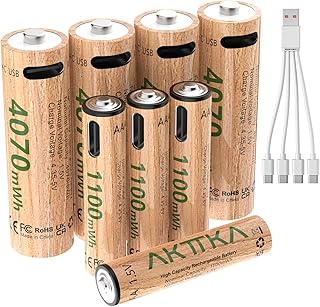
Rechargeable AA & AAA Lithium Batteries
Why We Love It

Uniross Lithium USB-C Rechargeable Batteries – Rechargeable
Why We Love It

ENEGON Rechargeable C Batteries 1.5V 7200mWh
Why We Love It
Quick Pick
10 Best Lithium Rechargeable Batteries Of 2026
Quick Pick
4 x AAA Rechargeable Batteries Lithium, 1.5V 1200mWh, USB-C | 1500 cycles, 1H fast charging, USB cable included, for Remote Controls, Wall Clocks, Flashlights, Wireless Mouse
ENEGON Rechargeable AA Batteries, 8 Pack 4070mWh 1.5V Constant Voltage Lithium Batteries, Type-C Direct Fast Charge, 500+ Cycles, Built-in Safety Chip, for Toys, Remotes, Flashlights
Rechargeable Battery AA With Charger Lithium, 3500mWh 1.5V 4 Pack | 1500 cycles, 2H fast charging, Constant 1.5V output, LCD Charger, For Remote Controls, Wall Clocks, Flashlights
9V USB-C Rechargeable Lithium Batteries (2 Pack), 1000mAh with 800+ Charge Cycles & 8-Layer Protection, Compatible with Smoke Detectors, Microphones, Toys, Medical Devices
ENEGON USB-C Rechargeable AAA Batteries 1100mWh (4-Pack) - 1.5-2H Fast Charge, 1.5V Stable Output for High-Drain Devices, No Extra Charger Needed
AA & AAA Rechargeable Batteries with Charger, 8-Pack, 1.5V Lithium | 4 AA 3700mWh + 4 AAA 1300mWh, LED 8-Slot Battery Charger, Type-C Input, About 2.5-Hour Charging, 1300+ Cycles
AA Batteries USB Rechargeable Without Battery Charger 1800mAh Lithium-ion ECO-Friendly & Recyclable Double A 1.5V High Capacity Quick Charging for Mouse/Toy/Remote Control/Shaver/Flashlight (4 Pack)
Rechargeable AA & AAA Lithium Batteries, 4 Pack AA (4070mWh) and 4 Pack AAA (1100mWh) 1.5V Constant Voltage Batteries, Type-C Direct Fast Charge, 500+ Cycles, Built-in Safety Chip,forToys
Uniross Lithium USB-C Rechargeable Batteries – Rechargeable, Convenient, & Eco-Friendly (AAA, Pack of 4)
ENEGON Rechargeable C Batteries 1.5V 7200mWh, High Capacity C Lithium Battery with Type C Charging Cable, Low Self-Discharge, Rechargeable Type C / R14 / LR14 Batteries (4 pack)
Buying Guide: Lithium Rechargeable Batteries
📋 Table of Contents
1What mAh rating do I need for my device?
Look for 2000-4000 mAh for most portable electronics like flashlights or power banks. Higher capacity (5000+ mAh) suits heavy use, but adds weight. Match the mAh to your device’s power draw and runtime needs, not just the highest number available.
2What’s the difference between Li-ion and LiFePO4 batteries?
Li-ion offers higher energy density and is common in phones and laptops, but ages faster. LiFePO4 is safer, lasts longer (500-1000 cycles), and is better for high-drain tools or outdoor gear. Choose LiFePO4 for long-term use and safety, not just price.
3How many charge cycles should a lithium battery last?
Most lithium batteries last 300-500 full cycles, but LiFePO4 can reach 800-1000. A cycle is a full discharge and recharge. To extend life, avoid deep discharges and keep the battery between 20-80% charge when stored long-term.
4What voltage is right for my device?
Most lithium batteries are 3.7V or 3.8V per cell. Check your device’s manual for the correct voltage. Using a higher voltage battery can damage electronics, while a lower one may not power them. Always match the voltage or use a step-up/down converter if needed.
5Are protection circuits worth paying extra for?
Yes — batteries with built-in protection circuits prevent overcharging, short circuits, and deep discharge, which can cause swelling or fire. Always choose batteries with BMS (Battery Management System) for tools, drones, or devices used in high-risk environments.
How we choose
Our editors are people who genuinely love testing and writing about products. We compare each product's real-world usability and strengths, then distill what matters most into our own "Why We Love It" points — so you get an honest, at-a-glance sense of what counts before you buy.