10 Best Liqui Moly Synthoil Race Tech Of 2026
Liqui Moly Synthoil Race Tech — Reviews, Recommendations & Updated Buying Guide November 2026


Liqui Moly Synthoil Energy 0W40 Engine Oil 4 L for Gasoline
Why We Love It


Liqui Moly SYNTHOIL ENERGY 0W40
Why We Love It

LIQUI MOLY Cera Tec 3721 I Ceramic Wear & Tear Protection
Why We Love It

Liqui Moly 9505 Engine Oil
Why We Love It

Motorbike 4T Synth 10W-50 Street Race
Why We Love It

LIQUI MOLY 20754 Motorcycle 4T Synth 10W-40 Street Race 4 L
Why We Love It
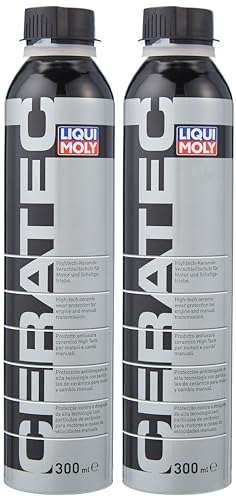
Liqui Moly Cera Tec Motor Oil Additive (300 ML)
Why We Love It

Liqui Moly 10W-50 Motorbike 4T Synthetic Street Race Engine
Why We Love It

Liqui Moly Touring High Tech SAE 20W-50
Why We Love It

LIQUI MOLY Synthoil Premium SAE 5W-40
Why We Love It
Quick Pick
10 Best Liqui Moly Synthoil Race Tech Of 2026
Quick Pick
Liqui Moly Synthoil Energy 0W40 Engine Oil 4 L for Gasoline and Diesel Engines
Liqui Moly SYNTHOIL ENERGY 0W40 - 4litres
LIQUI MOLY Cera Tec 3721 I Ceramic Wear & Tear Protection for Petrol & Diesel Engines I Smoother Engine Performance, Less Friction & Lower Fuel Consumption I Ceramic Additive 300 ml Pack of 1
Liqui Moly 9505 Engine Oil
Motorbike 4T Synth 10W-50 Street Race
LIQUI MOLY 20754 Motorcycle 4T Synth 10W-40 Street Race 4 L
Liqui Moly Cera Tec Motor Oil Additive (300 ML) - 2 Pack
Liqui Moly 10W-50 Motorbike 4T Synthetic Street Race Engine Oil 1 Liter
Liqui Moly Touring High Tech SAE 20W-50 | 5 L | Motor Oil | SKU: 20114
LIQUI MOLY Synthoil Premium SAE 5W-40 | 5 L | Synthesis technology motor oil | SKU: 2041
Buying Guide: Liqui Moly Synthoil Race Tech
📋 Table of Contents
1What viscosity rating should I choose for my vehicle?
Check your owner's manual for the recommended viscosity, such as 5W-30 or 10W-40. The first number (5W or 10W) indicates cold-weather performance, while the second (30 or 40) shows thickness at operating temperature. Using the wrong viscosity can reduce engine protection and fuel efficiency.
2Does synthetic oil offer real benefits over conventional oil?
Yes — synthetic oils resist breakdown better, perform in extreme temperatures, and allow longer intervals between changes. They’re ideal for high-performance engines or vehicles in harsh conditions, but cost more. Conventional oil is fine for older or low-mileage engines.
3What additives should I look for in a motor oil?
Look for oils with detergents to clean deposits, anti-wear agents to protect moving parts, and friction modifiers to improve fuel economy. High-quality oils often include antioxidants to resist oxidation and extend oil life, especially in high-heat environments.
4How often should I change my motor oil?
Most modern vehicles need an oil change every 10,000–15,000 km, but this depends on oil type and driving conditions. Frequent short trips, extreme heat, or dusty environments may require more frequent changes. Always follow your vehicle’s maintenance schedule or the oil manufacturer’s guidelines.
5What’s the difference between monograde and multigrade oils?
Monograde oils (e.g., SAE 30) have a single viscosity and are best for older or classic engines. Multigrade oils (e.g., 5W-30) adapt to temperature changes, making them suitable for modern engines and year-round use. Multigrade is the standard for most vehicles today.
How we choose
Our editors are people who genuinely love testing and writing about products. We compare each product's real-world usability and strengths, then distill what matters most into our own "Why We Love It" points — so you get an honest, at-a-glance sense of what counts before you buy.