10 Best Liqui Moly Cera Tec Of 2026
Liqui Moly Cera Tec — Reviews, Recommendations & Updated Buying Guide November 2026


LIQUI MOLY Cera Tec 3721 I Ceramic Wear & Tear Protection
Why We Love It

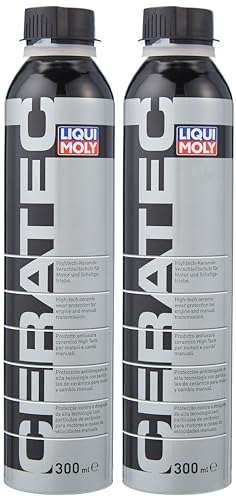
Liqui Moly Cera Tec Motor Oil Additive (300 ML)
Why We Love It

Liqui Moly Ceratec Friction Modifier 300ml
Why We Love It

Liqui Moly Cera Tec Friction Modifier 300ml (Pack of 4)
Why We Love It

Liqui Moly 2770, Engine Oil Additive
Why We Love It

Liqui Moly 7110 Catalytic-System Clean
Why We Love It

Liqui Moly Cera Tec Friction Modifier- 300ml (Pack of 6)
Why We Love It

Liqui Moly Hard Wax 500 ml
Why We Love It

Liqui Moly 2009 Anti-Friction Oil Treatment
Why We Love It

Liqui Moly Multi-Purpose Grease 1kg Automotive Care Product
Why We Love It
Quick Pick
10 Best Liqui Moly Cera Tec Of 2026
Quick Pick
LIQUI MOLY Cera Tec 3721 I Ceramic Wear & Tear Protection for Petrol & Diesel Engines I Smoother Engine Performance, Less Friction & Lower Fuel Consumption I Ceramic Additive 300 ml Pack of 1
Liqui Moly Cera Tec Motor Oil Additive (300 ML) - 2 Pack
Liqui Moly Ceratec Friction Modifier 300ml
Liqui Moly Cera Tec Friction Modifier 300ml (Pack of 4)
Liqui Moly 2770 - Engine Oil Additive
Liqui Moly 7110 Catalytic-System Clean, 300 ml
Liqui Moly Cera Tec Friction Modifier- 300ml (Pack of 6)
Liqui Moly Hard Wax 500 ml
Liqui Moly 2009 Anti-Friction Oil Treatment - 300 ml
Liqui Moly Multi-Purpose Grease 1kg Automotive Care Product
Buying Guide: Liqui Moly Cera Tec
📋 Table of Contents
1What types of engine oil additives are most effective for everyday use?
Friction-reducing additives like molybdenum disulfide and viscosity improvers help maintain engine performance. Detergents and dispersants are also key for cleaning and preventing sludge buildup in standard driving conditions.
2How often should I add engine oil additives to my vehicle?
Most additives are designed for use every 3,000–5,000 miles or with each oil change. Overuse can lead to residue buildup, so always follow the manufacturer's recommended frequency and dosage instructions carefully.
3Are synthetic or semi-synthetic additives better for older engines?
Semi-synthetic additives often work best in older engines, as they provide improved protection without the high detergency levels of full synthetics, which can sometimes strip away old deposits too aggressively and cause leaks in worn seals.
4Can engine oil additives help reduce fuel consumption?
Some friction-reducing additives may improve fuel efficiency by up to 2–5% in well-maintained engines. However, results vary based on engine condition, driving habits, and the additive's formulation, so don't expect dramatic savings in older or poorly maintained vehicles.
5What should I look for in an additive's compatibility with my oil type?
Ensure the additive is compatible with your engine oil's viscosity grade and base type (mineral, semi-synthetic, or synthetic). Mixing incompatible additives can destabilize the oil and reduce its effectiveness, potentially harming engine performance.
How we choose
Our editors are people who genuinely love testing and writing about products. We compare each product's real-world usability and strengths, then distill what matters most into our own "Why We Love It" points — so you get an honest, at-a-glance sense of what counts before you buy.