10 Best Laminate Cutters Of 2026
Laminate Cutters — Reviews, Recommendations & Updated Buying Guide November 2026


Stanley Laminate Trimmer with Twin Blades and Spring Loaded
Why We Love It

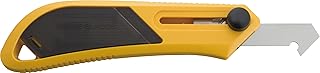
Olfa PC-L Heavy Duty Plastics and Laminates Knife/cutter
Why We Love It

QEP 10-35 Laminate Cutter
Why We Love It

Wolfcraft LC 100 Laminate Cutter
Why We Love It

33cm Pro Flooring Cutter
Why We Love It

Edge Banding Trimmer
Why We Love It

Edge Banding Trimmer with 2 Tungsten Carbide Blades
Why We Love It

ABBASALI PLASTIC LAMINATE CUTTER HEAVY DUTY
Why We Love It

Olfa Acrylic and Plastic Cutter OL- PC-L
Why We Love It
Quick Pick
10 Best Laminate Cutters Of 2026
Quick Pick
Stanley Laminate Trimmer with Twin Blades and Spring Loaded, Metal, STHT0-16139
Olfa PC-L Heavy Duty Plastics and Laminates Knife/cutter
QEP 10-35 Laminate Cutter
wolfcraft LC 100 Laminate Cutter - Manual Floor Slicer for 8 mm Boards | Dust-free and silent cutter for boards up to 210 mm wide, includes non-slip foot pads and 90 degree stop, 6933000
33cm Pro Flooring Cutter,For Laminate, Engineered Wood, fiber-cement siding, VCT, LVT, RVP, SPC, LVP, WPC, Vinyl Tile Flooring and more.MC-330
Edge Banding Trimmer, Stainless Steel Blades for Curved & Straight PVC/ABS/Wood, Non-Slip Grip & Depth Control, Laminate Veneer Precision Cutter(2 pcs)
Edge Banding Trimmer with 2 Tungsten Carbide Blades, Azonee Manual Laminate Veneer Edge Cutter for Woodworking, PVC & Plywood Banding, Deburring Tool for Precision Trimming
ABBASALI PLASTIC LAMINATE CUTTER HEAVY DUTY
Olfa Acrylic and Plastic Cutter OL- PC-L
Buying Guide: Laminate Cutters
📋 Table of Contents
1What's the difference between a guillotine cutter and a rotary cutter for laminates?
Guillotine cutters use a straight blade to slice down, best for clean straight cuts on thicker laminates, while rotary cutters have a rolling blade that works well for curved cuts and detailed work. Guillotine cutters are more common for heavy-duty production, whereas rotary cutters give you more precision for detailed jobs.
2What cutting capacity do I actually need?
Check the maximum thickness and width your cutter handles, then compare against your typical projects—most home and small business users need cutters handling up to 3mm thickness and at least 300mm width. If you're mostly cutting standard A4 or smaller prints, a compact model works fine; for larger formats, invest in one that handles at least A3 size.
3Does blade quality really matter, or can I just replace cheap ones?
High-quality blades stay sharp longer and make cleaner cuts that matter if you're cutting thick or specialty laminates regularly, while cheap blades will need frequent replacement and leave rough edges. If you're cutting occasionally, a budget model with replaceable blades is fine, but for regular use, spending more on a cutter with premium blades saves frustration and gives better results.
4Should I get a manual cutter or a power-driven one?
Manual cutters are cheaper, quieter, and fine for occasional use, but require physical effort and aren't ideal for very thick materials or high-volume work. Power-driven models cost more but handle tough jobs faster and with less strain, making them worth the investment if you're cutting regularly or working with thick laminates.
5What safety features should I look for?
Look for guards that cover the blade when not in use, non-slip bases to keep the cutter steady, and smooth handles that prevent hand slips near the cutting area. Some models have auto-stop features that stop the blade if it's lifted—these are useful if you're cutting frequently and want to reduce accident risk.
How we choose
Our editors are people who genuinely love testing and writing about products. We compare each product's real-world usability and strengths, then distill what matters most into our own "Why We Love It" points — so you get an honest, at-a-glance sense of what counts before you buy.