10 Best La Roche-posay Cicaplast Of 2026
La Roche-posay Cicaplast — Reviews, Recommendations & Updated Buying Guide November 2026


La Roche Posay Cicaplast Baume B5+ Ultra Reparing Soothing
Why We Love It


La Roche-Posay Cicaplast Balm for Sensitive and Dry Lips
Why We Love It

La Roche-Posay Cicaplast Baume B5+ SPF 50: Soothing
Why We Love It

La Roche-Posay Cicaplast Hand Cream
Why We Love It
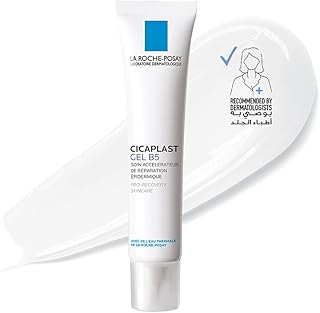
La Roche-Posay Cicaplast Gel B5 Pro-Recovery Skincare
Why We Love It

La Roche-Posay Effaclar Duo+M
Why We Love It

La Roche-Posay 12% Vitamin C Face Serum
Why We Love It

La Roche-Posay Anthelios UVMune 400
Why We Love It

La Roche-Posay Effaclar Duo+ SPF30 Acne Treatment Cream for
Why We Love It
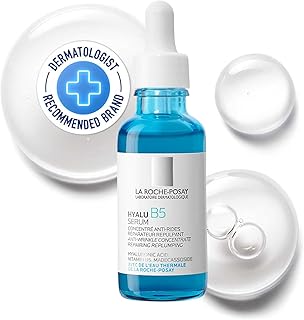
La Roche-Posay Anti-Ageing Serum
Why We Love It
Quick Pick
10 Best La Roche-posay Cicaplast Of 2026
Quick Pick
La Roche Posay Cicaplast Baume B5+ Ultra Reparing Soothing Balm
La Roche-Posay Cicaplast Balm for Sensitive and Dry Lips 7.5ml | Intensive barrier repair for chapped cracked lips, enriched with panthenol and MP-lipids to nourish and protect
La Roche-Posay Cicaplast Baume B5+ SPF 50: Soothing Repairing Balm for Dry, Irritated, & Sun-Exposed Skin 40ml
La Roche-Posay Cicaplast Hand Cream, Barrier Repairing Balm, 50ml
La Roche-Posay Cicaplast Gel B5 Pro-Recovery Skincare, 40ml
La Roche-Posay Effaclar Duo+M, Anti-Breakout Corrective Gel, 40ml | Moisturiser With Salicylic Acid & Niacinamide, Anti-Imperfections Triple Corrective Care, For Oily Blemish-Prone Skin
La Roche-Posay 12% Vitamin C Face Serum, 2 formulas with hyaluronic acid
La Roche-Posay Anthelios UVMune 400
La Roche-Posay Effaclar Duo+ SPF30 Acne Treatment Cream for Oily and Acne Prone Skin 40ml | Dual Action Mattifying Face Cream for Oily and Blemish-Prone Skin, Reduces Appearance of Spots and Marks
La Roche-Posay Anti-Ageing Serum, Anti-wrinkle Concentrate, Repairing Replumping, With Hyaluronic Acid, Hyalu B5, 30ml
Buying Guide: La Roche-posay Cicaplast
📋 Table of Contents
1What key ingredients should I look for in a barrier repair cream?
Seek ceramides, cholesterol, and fatty acids like linoleic acid, which help restore the skin’s natural moisture barrier. These ingredients work together to strengthen the skin’s protective layer and reduce dryness or irritation.
2How thick or heavy should the cream be for best results?
A medium to rich, non-greasy texture is ideal — it should absorb well without clogging pores. Very lightweight formulas may not provide enough hydration for damaged or sensitive skin, while overly heavy creams can feel uncomfortable.
3Are fragrance-free and hypoallergenic formulas necessary?
Yes, especially for sensitive or compromised skin. Fragrances and harsh preservatives can irritate the skin and undo the repair process. Look for products labeled 'fragrance-free' and 'hypoallergenic' for safer use.
4How often should I apply barrier repair cream for best results?
Apply 2-3 times daily, especially after cleansing or showering when the skin is still damp. Consistent use over several weeks is key to rebuilding the skin barrier, as results are not immediate.
5Can I use a barrier repair cream with other skincare products?
Yes, but apply it after cleanser and before serums or moisturizers. Avoid using it with harsh exfoliants or acids, as this can further irritate the skin and slow the repair process.
How we choose
Our editors are people who genuinely love testing and writing about products. We compare each product's real-world usability and strengths, then distill what matters most into our own "Why We Love It" points — so you get an honest, at-a-glance sense of what counts before you buy.