10 Best Kyudo Of 2026
Kyudo — Reviews, Recommendations & Updated Buying Guide November 2026

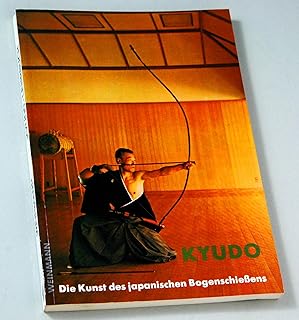
Kyudo: Die Kunst des japanischen Bogenschießens
Why We Love It


Kyudo: L'essence et la pratique du tir à l'arc japonais
Why We Love It

Kyudo Hassetsu: EIGHT POINTS in Japanese Archery
Why We Love It

Kyudo Tekichu Notebook: Log every shot on and off the target
Why We Love It

Kyudo. L'essenza e la pratica dell'arcieria giapponese
Why We Love It

Kyudo Tekichu Notebook: Log every shot on the Mato
Why We Love It

The Way of the Bow The Kyudo Path to a Disciplined
Why We Love It

Le kyûdô, art sacré de l'éveil
Why We Love It

Kyudo. La via del tiro con l'arco
Why We Love It

KYUDO COLORING BOOK: Relax by coloring the practice of
Why We Love It
Quick Pick
10 Best Kyudo Of 2026
Quick Pick
Kyudo: Die Kunst des japanischen Bogenschießens
Kyudo: L'essence et la pratique du tir à l'arc japonais
Kyudo Hassetsu: EIGHT POINTS in Japanese Archery
Kyudo Tekichu Notebook: Log every shot on and off the target
Kyudo. L'essenza e la pratica dell'arcieria giapponese
Kyudo Tekichu Notebook: Log every shot on the Mato
The Way of the Bow The Kyudo Path to a Disciplined
Le kyûdô, art sacré de l'éveil
Kyudo. La via del tiro con l'arco
KYUDO COLORING BOOK: Relax by coloring the practice of Japanese archery / 87 ilustrations
Buying Guide: Kyudo
📋 Table of Contents
1What's the difference between a beginner and intermediate kyudo bow?
Beginner bows are typically lighter (around 10-15 kg draw weight) with softer bamboo, making them easier to control while learning proper form. Intermediate bows have higher draw weights (18-25 kg) and stiffer construction, requiring better technique but offering more consistent arrow flight and power.
2How do I know what draw weight is right for me?
Start with a lighter draw weight and work your way up—most beginners should aim for 10-15 kg to focus on form without straining. If you're already physically trained or have archery experience, 15-20 kg is reasonable, but always prioritize proper technique over raw power.
3Should I buy a wooden or fiberglass bow?
Traditional wooden bows (bamboo) offer authentic feel and better feedback but require more maintenance and are weather-sensitive. Fiberglass-backed bows are more durable, consistent, and forgiving for beginners, though purists prefer the craftsmanship of all-wood construction.
4What else do I need to buy besides the bow?
You'll need arrows (ya), an arm guard (kote), finger tab or glove (yugake), and a quiver (yazutsu) at minimum. A chest protector (muneate) is also essential for most practitioners to prevent string slap and protect your clothing.
5Is it worth buying a high-end custom bow as a beginner?
No—custom bows are expensive and designed for specific shooters with established technique; you won't benefit until you've trained 1-2 years. Start with a mid-range practice bow from a reputable maker, then invest in custom work once you understand your body mechanics and preferences.
How we choose
Our editors are people who genuinely love testing and writing about products. We compare each product's real-world usability and strengths, then distill what matters most into our own "Why We Love It" points — so you get an honest, at-a-glance sense of what counts before you buy.