10 Best Jointers Of 2026
Jointers — Reviews, Recommendations & Updated Buying Guide November 2026


CRAFTSMAN Benchtop Jointer, Up to 22
Why We Love It


WEN JT630H 10-Amp 6-Inch Spiral Benchtop Jointer
Why We Love It

6-Inch Benchtop Jointer with 15 Amp Motor
Why We Love It

Fartools One RB 1800 Jointer Plane 1280 W
Why We Love It

OX Pro Brick Jointer ½" X 5/8" / 13 X 16mm
Why We Love It

OX Tools Brick Jointer for Masonry
Why We Love It
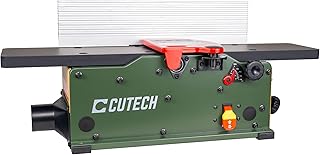
Cutech 40160HB 6-Inch Spiral Cutterhead Benchtop Jointer
Why We Love It
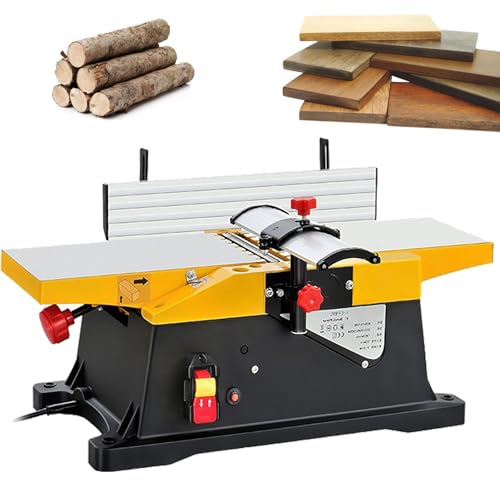
RSQQL Benchtop Planer Thicknesser
Why We Love It

Makita B-20644 Biscuit Jointer blase
Why We Love It

6-Inch Benchtop Jointer, 15-Amp 13000 RPM Pure Copper Motor
Why We Love It
Quick Pick
10 Best Jointers Of 2026
Quick Pick
CRAFTSMAN Benchtop Jointer, Up to 22,000 cuts per Minute, 10 Amp, Corded (CMEW020)
WEN JT630H 10-Amp 6-Inch Spiral Benchtop Jointer
6-Inch Benchtop Jointer with 15 Amp Motor, 12000 RPM Cutting Speed, Adjustable Fence 90–135°, Up to 1/8" Depth, HSS Blades, Table Jointer to for Woodworking DIY
Fartools One RB 1800 Jointer Plane 1280 W
OX Pro Brick Jointer ½" X 5/8" / 13 X 16mm
OX Tools Brick Jointer for Masonry - Stainless Steel Convex Mortar Jointer - Silver - 3/4 x 7/8-Inch/19 x 22 mm | Shapes Clean Recessed Mortar Joints – Ideal for Bricklaying, Repointing & Patio Work – Stainless Steel, Smooth Finish
Cutech 40160HB 6-Inch Spiral Cutterhead Benchtop Jointer with teflon-Coated Aluminum Tables, 12 TC Inserts, 19-5/8” Aluminum Fence, and a 10-amp Motor (Rifle Green, 6 inch)
RSQQL Benchtop Planer Thicknesser, Portable Electric Jointers Woodworking Planer, 12000R/Min Desktop Wood Planer for Wood Cutting Thickness
Makita B-20644 Biscuit Jointer blase, Silver
6-Inch Benchtop Jointer, 15-Amp 13000 RPM Pure Copper Motor
Buying Guide: Jointers
📋 Table of Contents
1What jointer size do I actually need for my workshop?
For most hobbyists and small workshops, a 4 to 6-inch jointer handles 80% of projects—anything wider than that becomes increasingly expensive and takes up significant space. If you're regularly working with boards wider than 8 inches, consider a larger model, but most DIYers find a 6-inch sufficient and much more affordable.
2What's the difference between benchtop and floor-standing jointers?
Benchtop models (4-6 inches) are portable and budget-friendly but have less mass, which means slightly less stability during heavy cuts. Floor-standing jointers (8+ inches) are heavier, more rigid, and give you better results on wider stock, but they're permanent fixtures that demand dedicated space.
3How important is the number of knives and cutterhead speed?
More knives (typically 2 vs 4 or 5) give you smoother finishes with fewer knife marks, while faster cutterhead speeds (around 10,000 RPM) produce cleaner surfaces than slower machines. If you care about surface quality and do finishing work, invest in models with 4 knives and higher RPM—it's worth the extra cost.
4What should I check before buying a used jointer?
Inspect the bed for flatness (use a straightedge), check that knives aren't dull or chipped, and test the fence for square alignment and smooth movement. Run it empty to listen for strange noises or vibration, which can signal worn bearings or alignment issues that are expensive to fix.
5When is it worth spending more on a jointer?
Pay more for better fence rigidity, precision-ground beds, and adjustable infeed/outfeed tables—these directly affect your results and durability. Budget models skimp on these areas and often require tweaking; a mid-range machine will outlast and outperform cheap options if you use it regularly.
How we choose
Our editors are people who genuinely love testing and writing about products. We compare each product's real-world usability and strengths, then distill what matters most into our own "Why We Love It" points — so you get an honest, at-a-glance sense of what counts before you buy.