10 Best Japanese Santoku Knives Of 2026
Japanese Santoku Knives — Reviews, Recommendations & Updated Buying Guide November 2026


MITSUMOTO SAKARI Japanese Santoku Chef's Knife
Why We Love It


SHAN ZU Damascus Santoku Knife 7 inch
Why We Love It

MITSUMOTO SAKARI 7" Chef Knife
Why We Love It
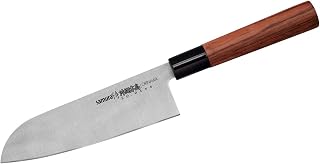
Samura Okinawa Professional Japanese Kitchen Santoku Knife
Why We Love It

Fissman 5" Santoku Knife Japanese Stainless Steel 420J2
Why We Love It

Wakoli EDIB 3-Piece Damascus Kitchen Knife Set – Santoku
Why We Love It

MITSUMOTO SAKARI Full Tang Chef Knife
Why We Love It

Victorinox Swiss Classic, Santoku Knife
Why We Love It

Samura Shadow Professional Japanese Santoku with Black
Why We Love It

Joseph Joseph 5-Piece Japanese Stainless Steel Knife Set
Why We Love It
Quick Pick
10 Best Japanese Santoku Knives Of 2026
Quick Pick
MITSUMOTO SAKARI Japanese Santoku Chef's Knife, German Premium Alloy Steel
SHAN ZU Damascus Santoku Knife 7 inch, Japanese Kitchen Knives Copper & Damascus Steel High Carbon 33 Layer Hand Forged Ultra Sharp Utility Chef Knife Professional Carving Knife with Maple Wood Handle
MITSUMOTO SAKARI 7" Chef Knife, Professional Hand Forged Kitchen Knife | 58-60 HRC Santoku Knife, 3-layer 9CR18MOV, High Carbon Steel Japanese Knife, Wood Handle & Box
Samura Okinawa Professional Japanese Kitchen Santoku Knife 175 mm / 6.9 Inches
Fissman 5" Santoku Knife Japanese Stainless Steel 420J2, Full-tang Kitchen Knife Tanto Series | Granton Edge to Reduce Food Sticking | Bakelite Ergonomic Handle | Ultra-Sharp Knife for Vegetable, Meat
Wakoli EDIB 3-Piece Damascus Kitchen Knife Set – Santoku, small Santoku & Office knife with VG10 Core | Ultra-Sharp Damascus Steel Blades | Pakkawood Handle | Gift Box Japanese Knife Set | VG10 Core, 67-Layer Genuine Damascus Steel, 60 ± 2 HRC, Santoku, Utility and Paring Knife, Pakkawood Handles
MITSUMOTO SAKARI Full Tang Chef Knife, Japanese VG-PRO Powder Steel Santoku
Victorinox Swiss Classic, Santoku Knife, Extra Sharp Blade, Fluted Edge, 17 cm, Plastic Handle, Stainless Steel, Orange
Samura Shadow Professional Japanese Santoku with Black Non-Stick Coating 7"/175 mm. Hardness 59 HRC
Joseph Joseph 5-Piece Japanese Stainless Steel Knife Set, Paring, Serrated, Santoku, Chef's & Bread Knives with Protective Covers, Black
Buying Guide: Japanese Santoku Knives
📋 Table of Contents
1What blade steel should I look for in a Japanese santoku knife?
Look for high-carbon stainless steel like VG10 or AUS8, which offer a balance of edge retention, corrosion resistance, and ease of sharpening. VG10 is typically found in higher-end models and provides superior sharpness, while AUS8 is more affordable and still durable for regular use.
2How long should the blade be for everyday use?
A blade length of 6 to 7 inches is ideal for most home cooks, offering versatility for slicing, dicing, and mincing. Shorter blades (5 inches) are better for precision tasks, while longer blades (8 inches) are suited for heavy-duty chopping but may be less maneuverable in small kitchens.
3What is the difference between a Japanese santoku and a Western chef’s knife?
Santoku knives have a shorter, wider blade with a flat edge and a Granton (wave) pattern for better food release, while Western chef’s knives have a longer, narrower blade with a more pronounced curve. Santokus are lighter and better for precision, while Western knives excel in heavy chopping and rocking motions.
4What handle material is best for comfort and durability?
Micarta, PakkaWood, or synthetic materials like G10 offer a good balance of grip, durability, and weight. Wooden handles provide a traditional feel but require more maintenance, while synthetic options are more resistant to moisture and temperature changes, making them ideal for frequent use.
5Is a full tang or partial tang better for a santoku knife?
A full tang, where the blade extends through the entire handle, provides better balance, strength, and longevity. It’s the preferred choice for serious cooks who want a knife that can handle heavy use. Partial tang knives are lighter but may feel less stable and are more prone to damage over time.
How we choose
Our editors are people who genuinely love testing and writing about products. We compare each product's real-world usability and strengths, then distill what matters most into our own "Why We Love It" points — so you get an honest, at-a-glance sense of what counts before you buy.