10 Best Japanese Hand Planes Of 2026
Japanese Hand Planes — Reviews, Recommendations & Updated Buying Guide November 2026


SUIZAN Kanna Japanese Wood Planer 42mm
Why We Love It


KAKURI Japanese Hand Plane 42mm for Woodworking
Why We Love It

KAKURI Japanese Hand Plane 42mm
Why We Love It

KAKURI Japanese Hand Plane 50mm
Why We Love It

KAKURI Large Hand Plane 60mm for Woodworking
Why We Love It

KAKURI Japanese Large Hand Plane 60mm
Why We Love It

KAKURI Professional Japanese Block Plane 30mm
Why We Love It

SUIZAN Kanna Japanese Wood Planer 2" Double Blade
Why We Love It
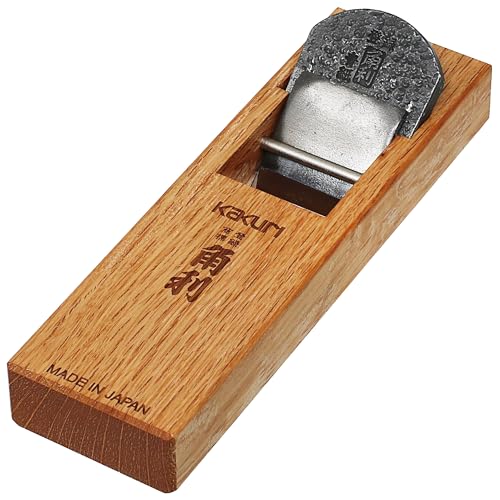
KAKURI Professional Japanese Block Plane 42mm
Why We Love It

Senkichi Japanese Hand Plane
Why We Love It
Quick Pick
10 Best Japanese Hand Planes Of 2026
Quick Pick
SUIZAN Kanna Japanese Wood Planer 42mm - Professional Small Hand Block Plane Woodworking Tools | Professional Smoothing Plane Woodworking Carpentry Joinery Furniture Making DIY Tools Shaving Trimming Chamfer Sharp Blade
KAKURI Japanese Hand Plane 42mm for Woodworking, Kanna Small Block Plane Mini Hand Planer for Wood Chamfering and Smoothing, 5.9 x 2.1 x 1.6 inches, ECO Oak Body, Made in Japan
KAKURI Japanese Hand Plane 42mm, Woodworking Block Plane 7" x 2.1" | KANNA Wood Planer Hand Tool for Chamfering and Smoothing – Laminated Japanese Steel Blade, White Oak Body, Made in Japan
KAKURI Japanese Hand Plane 50mm, Woodworking Block Plane 9.5" x 2.5" | KANNA Manual Wood Planer Hand Tool for Smoothing – Laminated Japanese Steel Blade, ECO Oak Body, Made in Japan
KAKURI Large Hand Plane 60mm for Woodworking, KANNA Japanese Block Plane Manual Hand Planer Tool for Smoothing, 10.1 x 2.9 x 2.7 inches, White Oak Body, Made in JAPAN
KAKURI Japanese Large Hand Plane 60mm, Woodworking Block Plane 10.2" x 3" | KANNA Wood Planer Hand Tool for Smoothing – Laminated Japanese Steel Blade, Oil-Finish White Oak Body, Made in Japan
KAKURI Professional Japanese Block Plane 30mm, Blue Paper Steel No.2 Blade
SUIZAN Kanna Japanese Wood Planer 2" Double Blade - Hand Block Plane | Professional Smoothing Plane Woodworking Carpentry Joinery Furniture Making Tools Shaving Chip Breaker Chamfer Sharp Blade
KAKURI Professional Japanese Block Plane 42mm, Blue Paper Steel No.2 Blade
Senkichi Japanese Hand Plane, Double-Blade Mini Block Plane for Woodworking, Compact 1.6" (40 mm) Blade x 5.9" (150 mm) Body for Smoothing, Trimming & Detail Work, Made in Japan - forest Originals
Buying Guide: Japanese Hand Planes
📋 Table of Contents
1What blade material is best for Japanese hand planes?
High-quality Japanese hand planes typically use Aogami or Honyaki steel, which offers exceptional sharpness and edge retention. Aogami is a carbon steel with fewer impurities, ideal for fine woodworking, while Honyaki, a folded steel, provides superior durability and is preferred for heavy use. Avoid planes with low-carbon or stainless steel blades, as they dull quickly and lack the precision of traditional Japanese tools.
2What size plane is suitable for different woodworking tasks?
For fine finishing work, a 30- to 40-millimeter wide plane is ideal, offering control for smoothing and shaping. A 60- to 80-millimeter plane is better for rough shaping or removing large amounts of material. Larger planes, like 100mm or more, are used for flattening large boards. Choose based on the scale of your project and the level of detail required.
3How does the frog design affect performance?
A sliding frog allows the blade to be adjusted for depth of cut, making it more versatile for different tasks. Fixed frogs are simpler and more rigid, which can be better for beginners or for specific, repetitive cuts. Sliding frogs are common in traditional Japanese planes like the ryoba, while fixed frogs are found in some modern designs. The choice depends on your preference for adjustability versus simplicity.
4What is the difference between a ryoba and a kataba plane?
A ryoba plane has two blades, one for cutting with the grain and one against it, making it ideal for general-purpose shaping and smoothing. A kataba plane has a single blade and is used for fine, precise work, especially with the grain. Ryobas are more versatile for rough shaping, while katabas are preferred for finishing and detailed work. Choose based on the type of wood and the level of finish you need.
5What should I look for in a plane’s handle and body material?
Look for a handle made of hardwood like beech or persimmon, which offers a secure grip and durability. The body should be made of high-quality steel or cast iron for stability and weight. A well-balanced plane with a smooth, polished surface reduces hand fatigue during extended use. Avoid lightweight or poorly finished planes, as they can feel unstable and reduce control during use.
How we choose
Our editors are people who genuinely love testing and writing about products. We compare each product's real-world usability and strengths, then distill what matters most into our own "Why We Love It" points — so you get an honest, at-a-glance sense of what counts before you buy.