10 Best Japanese Chef Knives Of 2026
Japanese Chef Knives — Reviews, Recommendations & Updated Buying Guide November 2026


SHAN ZU Damascus Chef Knife 8 inch
Why We Love It


SHAN ZU Damascus Chef Knife 6 inch
Why We Love It
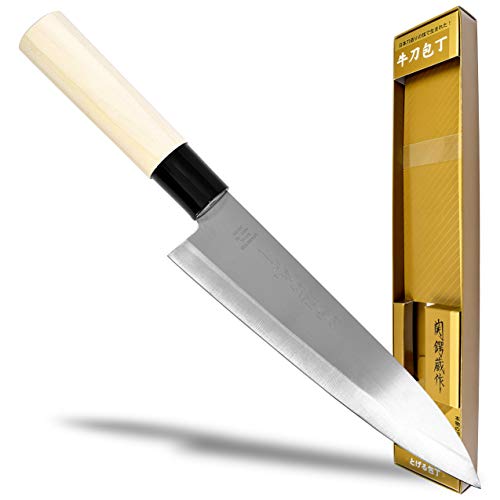
Product of Gifu Japan Seki TSUBAZO ese Chef Kitchen Knife
Why We Love It

MITSUMOTO SAKARI 8 Inch Gyuto Knife
Why We Love It

Damascus Chef Knife
Why We Love It

Japanese Chef Knife
Why We Love It

Kanngou 21cm Japanese Chef Knife with AUS-8 Alloy Steel
Why We Love It

Japanese Chef Knife Kitchen Knife with 67 Layers Damascus
Why We Love It

Kanngou 210mm Japanese Chef Knife
Why We Love It

Kanngou Chef Knife Set 3PCS Kitchen Knives with Japanese
Why We Love It
Quick Pick
10 Best Japanese Chef Knives Of 2026
Quick Pick
SHAN ZU Damascus Chef Knife 8 inch, Japanese Kitchen Knives Copper & Damascus Steel High Carbon 33 Layer Hand Forged Utility Knife Professional Sharp Carving Knife with Maple Wood Handle
SHAN ZU Damascus Chef Knife 6 inch,67-Layer Japanese Steel 10Cr15CoMoV Kitchen Knife, High Carbon Super Sharp Japanese Chef Knife, All Purpose Professional Kitchen Utility Petty Knives with G10 Handle
Product of Gifu Japan Seki TSUBAZO ese Chef Kitchen Knife, Stainless Steel Gyuto Knife, Shiraki Handle, 185 mm (7.3 in)
MITSUMOTO SAKARI 8 Inch Gyuto Knife, VG-Pro Damascus Chef Knife – Hand Forged Japanese Kitchen Knife with Ergonomic G10 Handle
Damascus Chef Knife, 8 Inch Professional VG10 Damascus steel Japanese Kiritsuke Knife, Ultra Sharp 67-Layer Hand Hammered Damascus Kitchen Knife with Octagonal ebony Handle & Gift Box
Japanese Chef Knife, 8 Inch Damascus Kitchen Knife with VG10 Steel, Ultra Sharp Professional Cooking Knives with Resin Wood Handle, Gift Box for Home & Restaurant
Kanngou 21cm Japanese Chef Knife with AUS-8 Alloy Steel, 8.27 Inch Professional Kiritsuke Knife with Red Sandalwood and Ebony Wood Handle, Kitchen Knife with Premium Gift Box (WA Series)
Japanese Chef Knife Kitchen Knife with 67 Layers Damascus Steel AUS-10 Core, Professional Damascus Knife with Full-Tang Ebony Wood Handle and Premium Gift Box (8.27 Inch Kiritsuke Knife)
Kanngou 210mm Japanese Chef Knife, Japan AUS-8 Alloy Steel Kitchen Knife with Full-Tang Black Pakkawood Handle, 8.27 Inch Gyuto Chefs Knives with Premium Gift Box (Classic Series)
kanngou Chef Knife Set 3PCS Kitchen Knives with Japanese AUS-8 Alloy Steel, Japanese Knife Set with Full-Tang Pakkawood Handle and Premium Gift Box (Classic Series)
Buying Guide: Japanese Chef Knives
📋 Table of Contents
1What blade length is best for different cooking tasks?
A 210–240mm blade is ideal for most home cooks, offering versatility for slicing, dicing, and chopping. Shorter blades (180–210mm) suit smaller hands or precise work, while longer blades (240–270mm) are preferred by professionals for faster, more fluid cuts.
2Should I choose a VG10 or AUS8 steel blade?
VG10 is harder and holds an edge longer, making it great for serious cooks who want durability and sharpness. AUS8 is softer and easier to sharpen, better for casual use or beginners. Both are stainless, but VG10 is more expensive and less prone to corrosion.
3What handle material is most comfortable and durable?
Traditional Japanese octagonal (tang) handles are lightweight and ergonomic, while full-tang Western-style handles offer more balance. Pakka wood or G10 resin handles are durable and moisture-resistant, whereas rosewood or walnut are beautiful but require more care to prevent cracking.
4How important is the Rockwell hardness rating for a chef knife?
Look for a Rockwell hardness (HRC) of 58–62 for a good balance of edge retention and ease of sharpening. Higher hardness (62–64 HRC) holds an edge longer but is harder to resharpen, while lower hardness (56–58 HRC) is more flexible and less likely to chip.
5Are Japanese chef knives worth the higher price compared to Western knives?
Japanese knives are often lighter, sharper, and more precise, ideal for detailed prep work. They can be worth the investment if you value performance and craftsmanship. However, they may require more frequent sharpening and are less forgiving for heavy-duty tasks like cleaving bones.
How we choose
Our editors are people who genuinely love testing and writing about products. We compare each product's real-world usability and strengths, then distill what matters most into our own "Why We Love It" points — so you get an honest, at-a-glance sense of what counts before you buy.