10 Best Instrument Ribbon Microphones Of 2026
Instrument Ribbon Microphones — Reviews, Recommendations & Updated Buying Guide November 2026


Warm Audio Fen-Tone Instrument Ribbon Microphone with
Why We Love It


Cloud Microphones Cloudlifter CL-2
Why We Love It

MXL R144 Multi-Purpose Ribbon Microphone
Why We Love It

Stagg Ribbon Microphone (SRM70)
Why We Love It

TRITON AUDIO FetHead Filter In-Line Microphone Preamp
Why We Love It

MXL R144 HE Heritage Edition Ribbon Microphone
Why We Love It

Cloud Microphones, 44-A Active Ribbon Microphone
Why We Love It

The Imaging World Cloud Microphones Cloudlifter CL-1 Mic
Why We Love It
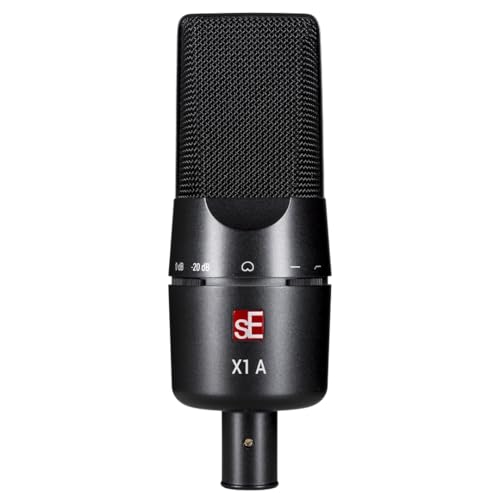
SE ELECTRONICS X1 A Large Diaphragm Condenser Microphone
Why We Love It

Canopus Vintage 14" Non Plated Snare Drum Wire (CPSL-14DR)
Why We Love It
Quick Pick
10 Best Instrument Ribbon Microphones Of 2026
Quick Pick
Warm Audio Fen-Tone Instrument Ribbon Microphone with Selectable in-Line Preamp
Cloud Microphones Cloudlifter CL-2
MXL R144 Multi-Purpose Ribbon Microphone - Purple
Stagg Ribbon Microphone (SRM70)
TRITON AUDIO FetHead Filter In-Line Microphone Preamp
MXL R144 HE Heritage Edition Ribbon Microphone
Cloud Microphones - 44-A Active Ribbon Microphone - USA Made
The Imaging World Cloud Microphones Cloudlifter CL-1 Mic Activator + Extra Two (2) XLR Cables Bundle
SE ELECTRONICS X1 A Large Diaphragm Condenser Microphone with 100 Hz Filter & -20 dB Pad - XLR Condenser Mic for Singing & Instruments - Professional Studio Microphone for Recording & Podcasting
Canopus Vintage 14" Non Plated Snare Drum Wire (CPSL-14DR)
Buying Guide: Instrument Ribbon Microphones
📋 Table of Contents
1What frequency response range is best for capturing instruments?
Look for a ribbon mic with a frequency response of 20Hz to 20kHz for full-range accuracy. Some models roll off low frequencies (e.g., 80Hz) to reduce rumble, which is ideal for close-miking drums or guitar cabinets without a subwoofer.
2Should I choose a passive or active ribbon microphone?
Passive ribbon mics require a high-output preamp and are often warmer and more vintage-sounding, while active models include a built-in preamp and phantom power, making them easier to use with standard audio interfaces and more consistent in modern setups.
3How does polar pattern affect instrument recording?
A figure-8 polar pattern captures sound from the front and back, making it great for stereo miking or isolating a single source in a room. Cardioid patterns are more directional and better for reducing room noise when miking a single instrument up close.
4What sensitivity level should I look for in a ribbon mic?
Ribbon mics typically have lower sensitivity (around -50 to -60 dBV/Pa) compared to condensers, so they work best with loud sources like brass, guitar amps, or snare drums. For quieter instruments like acoustic guitar or vocals, look for a model with higher sensitivity or use a preamp with gain boost.
5Are shock mounts or suspension systems necessary for ribbon mics?
Yes — ribbon mics are fragile and sensitive to vibration. A suspension system or shock mount is essential to prevent damage from handling noise, air blasts, or acoustic feedback, especially when miking loud instruments or in live settings.
How we choose
Our editors are people who genuinely love testing and writing about products. We compare each product's real-world usability and strengths, then distill what matters most into our own "Why We Love It" points — so you get an honest, at-a-glance sense of what counts before you buy.