10 Best Instrument Microphones For Brass Of 2026
Instrument Microphones For Brass — Reviews, Recommendations & Updated Buying Guide November 2026


Behringer B906 Dynamic Microphone For Instrument And Vocal
Why We Love It


Shure BETA 57A Supercardioid Dynamic Instrument Microphone
Why We Love It

Pyle Classic Retro Dynamic Vocal Microphone
Why We Love It

AKG Pro Audio AKG Perception 170 Professional Instrumental
Why We Love It

TIE TCX308 Condenser Instrument Microphone for
Why We Love It
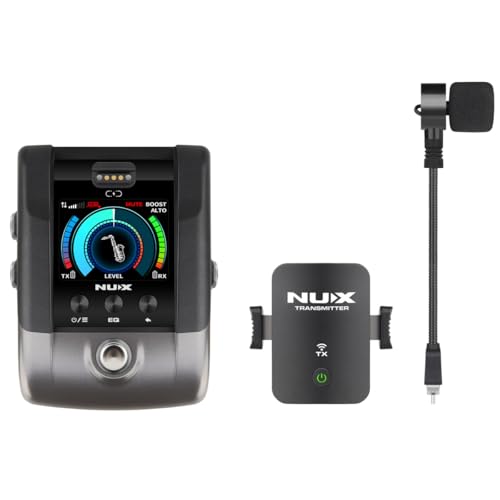
NUX B-6PRO Wireless Microphone System for Wind Instruments
Why We Love It

Korg - CM-300-BK Improved Design Contact Microphone for
Why We Love It

Shure SM4-K Studio Condenser Microphone
Why We Love It

Behringer B-2 Pro Dual-Diaphragm Condenser Microphone
Why We Love It

CAD AUDIO D89 Dynamic Microphone
Why We Love It
Quick Pick
10 Best Instrument Microphones For Brass Of 2026
Quick Pick
Behringer B906 Dynamic Microphone For Instrument And Vocal Applications, B 906
Shure BETA 57A Supercardioid Dynamic Instrument Microphone
Pyle Classic Retro Dynamic Vocal Microphone, Old Vintage Style Unidirectional Cardioid Mic with XLR Cable, Universal Stand Compatible, Live Performance In Studio Recording, Podcast – Silver
AKG Pro Audio AKG Perception 170 Professional Instrumental Microphone
TIE TCX308 Condenser Instrument Microphone for Brass/Saxophone
NUX B-6PRO Wireless Microphone System for Wind Instruments without compromising sound quality, 3.6ms latency
Korg - CM-300-BK Improved Design Contact Microphone for Clip-Type Tuners - Black
Shure SM4-K Studio Condenser Microphone – XLR Mic for Home Studio Recording, Vocals & Instruments with Mix-Ready Sound & All-Metal Construction, Black
Behringer B-2 Pro Dual-Diaphragm Condenser Microphone, Wired, One Size
CAD AUDIO D89 Dynamic Microphone
Buying Guide: Instrument Microphones For Brass
📋 Table of Contents
1What polar pattern is best for brass instruments?
Cardioid mics are ideal for brass as they focus on the sound source and reduce background noise. For ensemble recordings, omnidirectional mics can capture a more natural room sound, but they may pick up more ambient noise in live settings.
2Should I choose a dynamic or condenser mic for brass?
Dynamic mics are more durable and handle high sound pressure levels, making them great for loud brass instruments like trumpets and tubas. Condenser mics offer higher sensitivity and detail, which is better for studio recordings or softer brass instruments like flugelhorns.
3What frequency response range should I look for?
A frequency range of 40Hz to 20kHz is ideal for capturing the full tonal spectrum of brass instruments. Look for mics with a slight boost in the 2-5kHz range to enhance presence and clarity without harshness.
4How important is a shock mount or pop filter?
A shock mount is essential to reduce handling noise and vibrations, especially for condenser mics. A pop filter is less critical for brass but can help if the mic is used for vocal-brass duets or close-miking techniques that might pick up plosives.
5What accessories are worth investing in for better sound?
A high-quality mic stand with a boom arm allows precise positioning, and a windscreen helps reduce breath noise and plosives. For live use, a mic cable with good shielding and a durable connector ensures reliable performance without interference.
How we choose
Our editors are people who genuinely love testing and writing about products. We compare each product's real-world usability and strengths, then distill what matters most into our own "Why We Love It" points — so you get an honest, at-a-glance sense of what counts before you buy.